Floriculture farms · Content marketing
Write what decorators need to know and they will ask you before anyone else.
Content marketing for a flower farm is publishing useful material, such as bloom guides, colour sheets and care notes, that buyers read before they order. GullySales plans and writes pieces from what your farm actually grows, so each one answers a question a buyer would otherwise phone to ask.
Scope, fee, reporting and term are agreed in writing after we have read your brief and spoken to you.
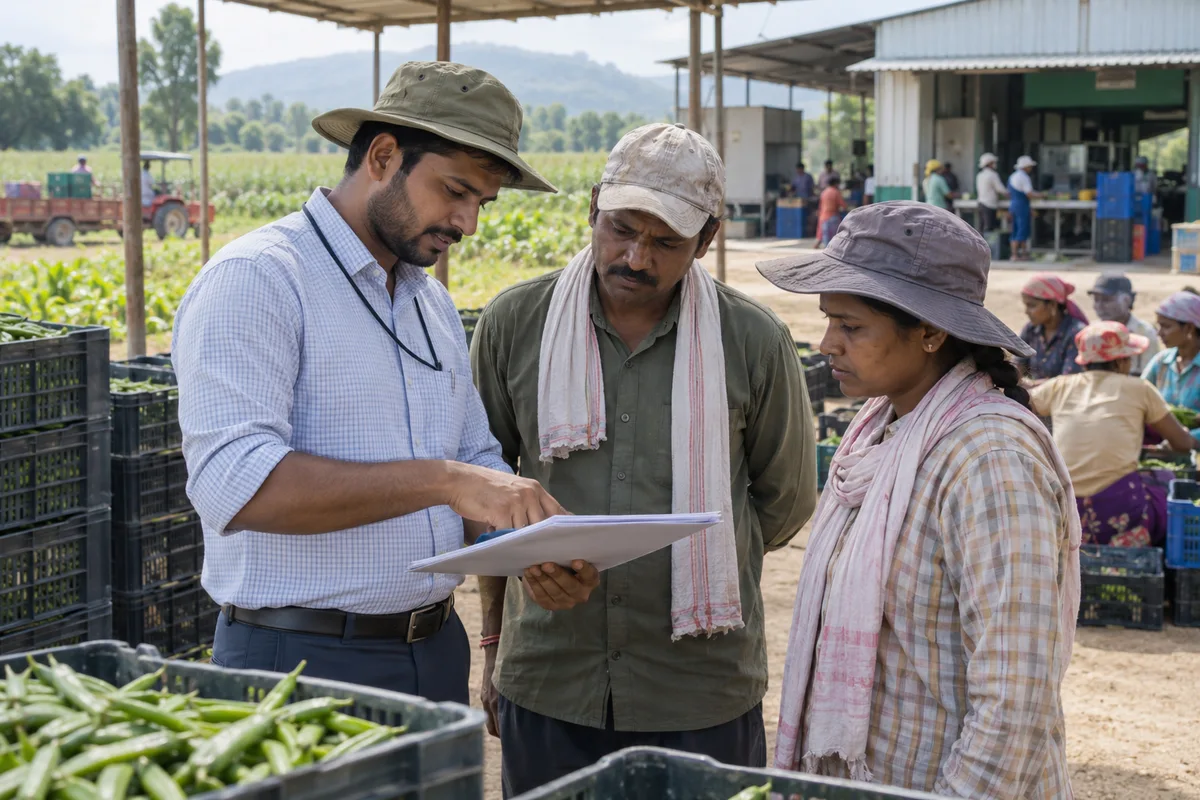
What content marketing means
Content marketing is writing articles, guides and pages that answer the questions buyers search before they are ready to enquire. This makes your business visible and trusted before the first call. GullySales plans this content from the first conversation onward, choosing topics that match real search demand rather than guesses.
Last updated 18 Oct 2026.
For floriculture farms
Where it usually goes wrong, and what we would do.
“Buyers ask the same questions again and again”
What will bloom on my date, in which colours, at what stem length, how are they packed and what do you charge. Every time a team member answers by phone the answer is lost. Written once as a guide, it works for every buyer who asks.
“A care note builds trust after the order”
A florist who receives roses and does not know how to hold them can blame the farm for a short vase life. A clear note on conditioning, water and storage protects the farm's name and shows the buyer you know the flower.
“Festival guides get shared among planners”
A guide to which flowers suit which festival and what to order how far in advance gets forwarded in decorator groups. It carries your farm's name into rooms where you have never been invited.
“Plain truth about what will not work earns repeat orders”
A buyer who is told honestly that a colour will not be in bloom on their date remembers it. Content that is clear about limits, with alternatives, builds the kind of trust that brings the next wedding back to you.
What we do
What we deliver for floriculture farms.
Every deliverable, what it covers for you, and the result it is there to produce. Nothing here is an extra.
A bloom guide by season
A readable guide showing what blooms in which weeks, in which colours, with the stem-count range for each.
Result: A guide a decorator can save and check any date against.
A colour and variety sheet
Each colour and variety, with a photograph, stem length and grade noted, laid out for a phone screen.
Result: A single sheet that settles colour questions without a call.
A care and handling note
A short note on conditioning, storage and display for the main flowers, for the buyer to pass on to their own customers.
Result: A note you attach to every first order.
A festival and wedding ordering guide
What to order, how far ahead to book and what to confirm, for each festival and wedding window.
Result: A guide that tells a new buyer exactly what to send you.
An article calendar
A plan of pieces for the farm's site and page, matched to the crop and the peaks, with a topic and a purpose for each.
Result: A dated plan with a piece for each coming peak.
How the result is measured
- Pages published
- Organic traffic
- Enquiries from content pages
Recorded as a baseline before work starts, so every later report has an honest comparison.
Pieces to plan
Write the pieces a decorator asks about before booking.
- What blooms in which month on our farm
- A calendar with flower, colour and expected availability, updated by the grower and marked as an expectation, not a promise.
- How to handle roses after delivery
- A care note covering water, cutting the stem and time out of the box, written by the farm and used in every box.
- Ordering marigold for a festival
- A guide on lead time, quantity in bunches and what to expect in a rush week, for temple committees and decorators.
- Colour names we use
- A sheet matching the farm's names to photographs, so a decorator and the farm mean the same shade.
- What the farm cannot supply
- A short honest note on flowers and dates it will not promise, which saves both sides a dispute later.
Who it is for
This is written for these floriculture farms.
- Rose and gerbera growers under polyhouse
- Marigold, jasmine and loose flower farms for market and temple trade
- Chrysanthemum, tuberose and gladiolus growers
- Cut flower farms supplying wedding and event decorators
- Ornamental foliage and filler growers
- Dried flower and petal producers
- Export-oriented flower farms
- Flower farms that also sell potted plants
Not for
It is not the right fit if.
- The farm has not recorded what bloomed and when, so a calendar would be a guess.
- You have no one to write or check the notes, so they would go out with errors.
- You want orders this week from an article; a guide helps the buyer who is already searching.
How it works
How the content marketing work runs
The work itself, in order. How an engagement starts, from your brief to a written scope, is set out on our method page.
- 1
Agree the plan
Topics and formats come from the content strategy and the buyer-question list. The volume goes into the written scope, agreed with you, not into a number quoted on a call.
- 2
Brief and draft
Each piece starts from its one-page brief and a short conversation with your technical person, recorded if they allow it, so the draft uses their words.
- 3
Check the facts
Your person marks the draft for accuracy and we correct it. Regulated subjects also go to your own adviser, because restrictions on claims apply to articles as much as to advertisements.
- 4
Publish and distribute
The piece goes live on your site, then out through the channels where your buyers already are.
- 5
Read the enquiries and adjust
Results are reported against the baseline recorded before work began. Topics that brought readers but no enquiries are changed or dropped. How often you are reported to is agreed in writing.
Where this fits
Three pieces of sales work, in this order.
This work sits inside sales process design, at stage 0, foundation. The audit comes before it, and sales management keeps it running.
Step 1
Sales audit
Find where deals are being lost and what to fix first.
Start here if you cannot say where orders are lost.
Step 2 · you are here
Sales process design
One written way to sell, from first enquiry to repeat order.
Start here if every salesperson sells differently.
Step 3
Sales management
A target, a review routine and someone who owns the number.
Start here if the team has targets and no routine.
FAQ
Questions owners ask before they call.
Not here? More answers, or ask on WhatsApp.
Who writes the content?
Does the content need to be long?
Can a bloom calendar be wrong?
Should content be in the local language?
How much does it cost?
How long is the contract?
How soon will we see results?
Who will actually do the work?
What do you need from us?
What if we are not happy with the work?
More for floriculture farms
Everything else we would do for you.
Closest to this: content and social
Also for floriculture farms
Or start from the overview: sales and marketing for floriculture farms.
Your next practical step
Tell us what you are trying to grow, and we will read it before we call.
Eight short steps, mostly taps. Skip anything you would rather answer on the call.