Horticulture farms · Sales management
Sales management for horticulture farms gives every open enquiry a responsible owner.
Sales management for horticulture farms puts responsibility against open enquiries and the decisions holding them up. GullySales sets up the review of the enquiries your team handles opportunities with your manager, using the stated requirement, service fit, location, decision-maker, and agreed next action to question the pipeline and assign corrections.
Scope, fee, reporting and term are agreed in writing after we have read your brief and spoken to you.
What sales management means
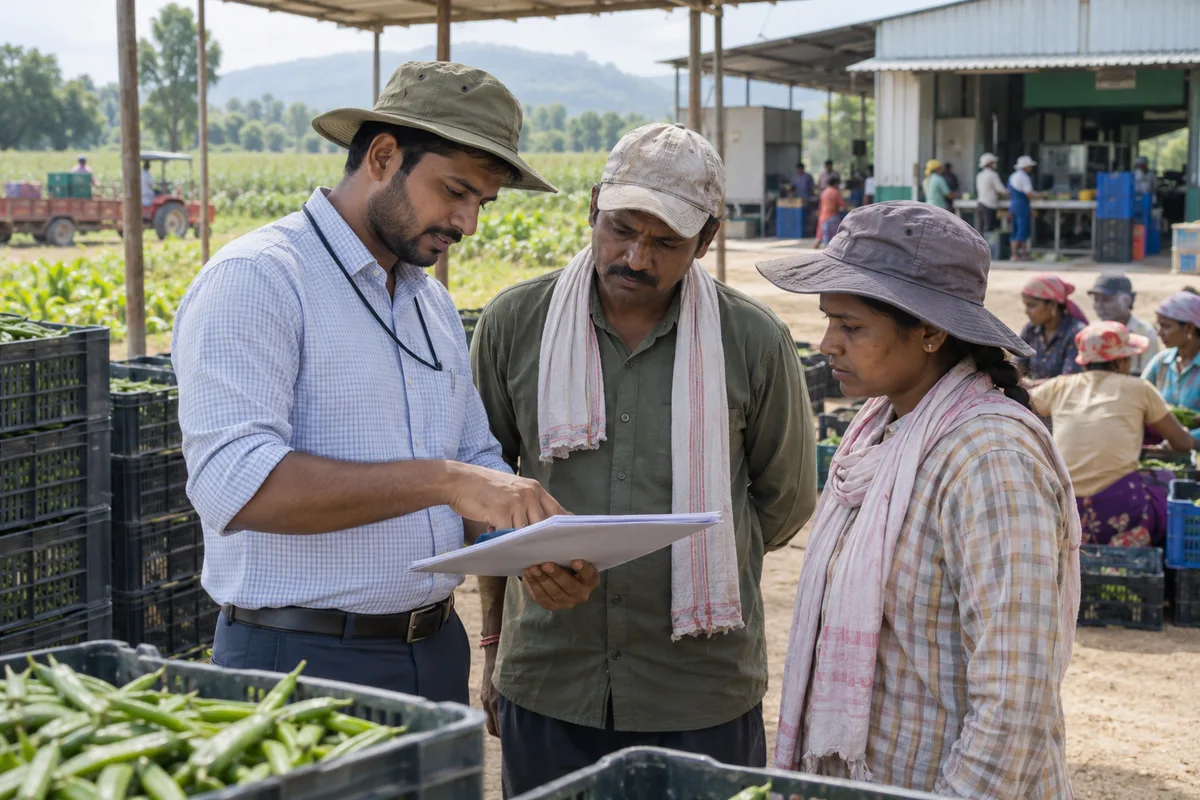
Sales management is the ongoing work of reviewing a sales team's pipeline, calls and targets, and stepping in on deals that are stuck. GullySales sets the review rhythm and the reports a sales manager needs to run this without relying on gut feel.
Plan the next part of the work
Last updated 21 Nov 2026.
For horticulture farms
Where it usually goes wrong, and what we would do.
“A requirement needs a clear next step”
For horticulture farms, check the stated requirement, service fit, location, decision-maker, and agreed next action. Do not move the record forward just because a conversation took place.
“Evidence before a commitment”
Use a documented requirement and a next step accepted by the buyer as the decision to check. A missing approval should stay visible to the person who can resolve it.
“The receiving team needs the full record”
Check the accepted scope, price, fulfilment responsibilities, and customer contact before responsibility moves to another person. Record any unresolved question beside its owner.
What we do
What we deliver for horticulture farms.
The work available for this need. We agree the deliverables and responsibilities for your engagement in writing.
Opportunity ownership and allocation
A responsibility map for the work your team handles, showing who replies and who steps in when an enquiry is blocked.
Result: Open work has someone accountable for its next action.
Manager review and exception sheet
Review open opportunities against a real next action. Give stalled decisions to an owner who has the authority to resolve them. The sheet records each decision, its owner, and the action to check at the next agreed review.
Result: The review ends with actions the team can carry out.
Pipeline evidence and forecast notes
A view of open work with a documented requirement and a next step accepted by the buyer. Unconfirmed assumptions remain visible beside the forecast.
Result: The owner can see which opportunities depend on an unresolved decision.
Coaching and handover checks
A coaching record drawn from real conversations and a check of the accepted scope, price, fulfilment responsibilities, and customer contact.
Result: Repeated gaps become specific coaching work rather than another reminder.
How the result is measured
- Unassigned enquiries
- Overdue buyer-agreed next actions
- Open opportunities with evidence for the forecast
- Manager actions completed and checked
Recorded as a baseline before work starts, so every later report has an honest comparison.
Who it is for
This is written for these horticulture farms.
- Mango, banana and citrus orchards selling to wholesale merchants
- Grape, pomegranate and apple growers supplying exporters
- Plantation farms growing coconut, arecanut, coffee or pepper
- Vegetable and spice growers using polyhouse or open field
- Farms with their own pack house and grading line
- Orchards with farm-visit or fruit-picking days
- Farms supplying pulp, juice and dehydration units
- Farmer groups packing and selling under one brand
Before you decide
When this may not be the right fit.
- A team seeking a guaranteed volume of enquiries or a promised sales result.
- A business unable to provide a responsible owner for enquiries and commercial decisions.
Before you decide
Agree the work. Know how to judge it.
Sales management for horticulture farms: use these checks to prepare, choose the scope, and review what changes.
Bring the right evidence
Bring the current target, pipeline, and review format. Mark which decisions the manager can make and which still require the owner's approval.
Make the scope clear
Agree decision rights and the management routine, including who runs it after the engagement. Separate advice to your sales head from taking responsibility for an agreed part of the operation.
Check the work in use
A useful review ends with an owner and next action for the deals or constraints discussed. Revisit those actions before adding more dashboard measures.
Know when to change course
If a review only collects updates already available in the CRM, shorten it. Use the time to resolve a blocked decision or coach a specific piece of selling work.
These are discussion points, not a fixed package. GullySales confirms the deliverables, responsibilities, fee, and term in writing after reading your brief and speaking with you.
Before we start
What to have ready before the work starts.
The records, access and decisions this work needs from horticulture farms. Anything missing is noted in the written scope, with who will supply it.
- Recent enquiry records
- Bring anonymised examples of enquiries and their outcomes. Use your existing priorities to select them: Buyers booked before the main harvest; Clear grade and packing description; Exporter and processor introductions.
- Decisions and responsibilities
- Identify who speaks to the person requesting the work and the person approving the purchase, who approves commitments, and who receives the work after acceptance.
- Current selling materials
- Share the forms and messages used to collect the stated requirement, service fit, location, decision-maker, and agreed next action. Remove private information that is not needed for the review.
How it works
How the sales management work runs
The work itself, in order. How an engagement starts, from your brief to a written scope, is set out on our method page.
- 1
Establish the operating baseline
Read current the enquiries your team handles enquiries with your manager. Separate missing records from work that has actually stalled.
- 2
Assign targets and decision rights
Agree the responsibilities of the people dealing with the person requesting the work and the person approving the purchase. Keep commercial approvals with the people authorised to make them.
- 3
Run and correct the agreed routine
Review open opportunities against a real next action. Give stalled decisions to an owner who has the authority to resolve them. Compare the next review with the previous action record and correct what remains unresolved.
Where this fits
Three pieces of sales work, in this order.
This work sits inside sales management. A target, a review routine and someone who owns the number.
Step 1
Sales audit
Find where deals are being lost and what to fix first.
Start here if you cannot say where orders are lost.
Step 2
Sales process design
One written way to sell, from first enquiry to repeat order.
Start here if every salesperson sells differently.
Step 3 · you are here
Sales management
A target, a review routine and someone who owns the number.
Start here if the team has targets and no routine.
FAQ
Questions owners ask before they call.
Not here? More answers, or ask on WhatsApp.
Where should horticulture farms start with sales management?
What should we have ready before discussing the work?
Does this work require a new CRM?
How do we agree the scope and fee?
How long is the contract?
How soon will we see results?
Who will actually do the work?
What do you need from us?
What if we are not happy with the work?
More for horticulture farms
Related work to consider.
Closest to this: sales craft
Also for horticulture farms
Or start from the overview: sales and marketing for horticulture farms.
Your next practical step
Tell us what you are trying to grow, and we will read it before we call.
Eight short steps, mostly taps. Skip anything you would rather answer on the call.