LPG and cooking gas distributors · Follow up systems
Close the loop on a missed delivery before it becomes a one-star review.
A follow-up system for an LPG distributor is a set of calls and messages that confirm delivery, resolve complaints and keep commercial accounts ordering. GullySales works on who contacts whom, with what words, and when to stop.
Scope, fee, reporting and term are agreed in writing after we have read your brief and spoken to you.
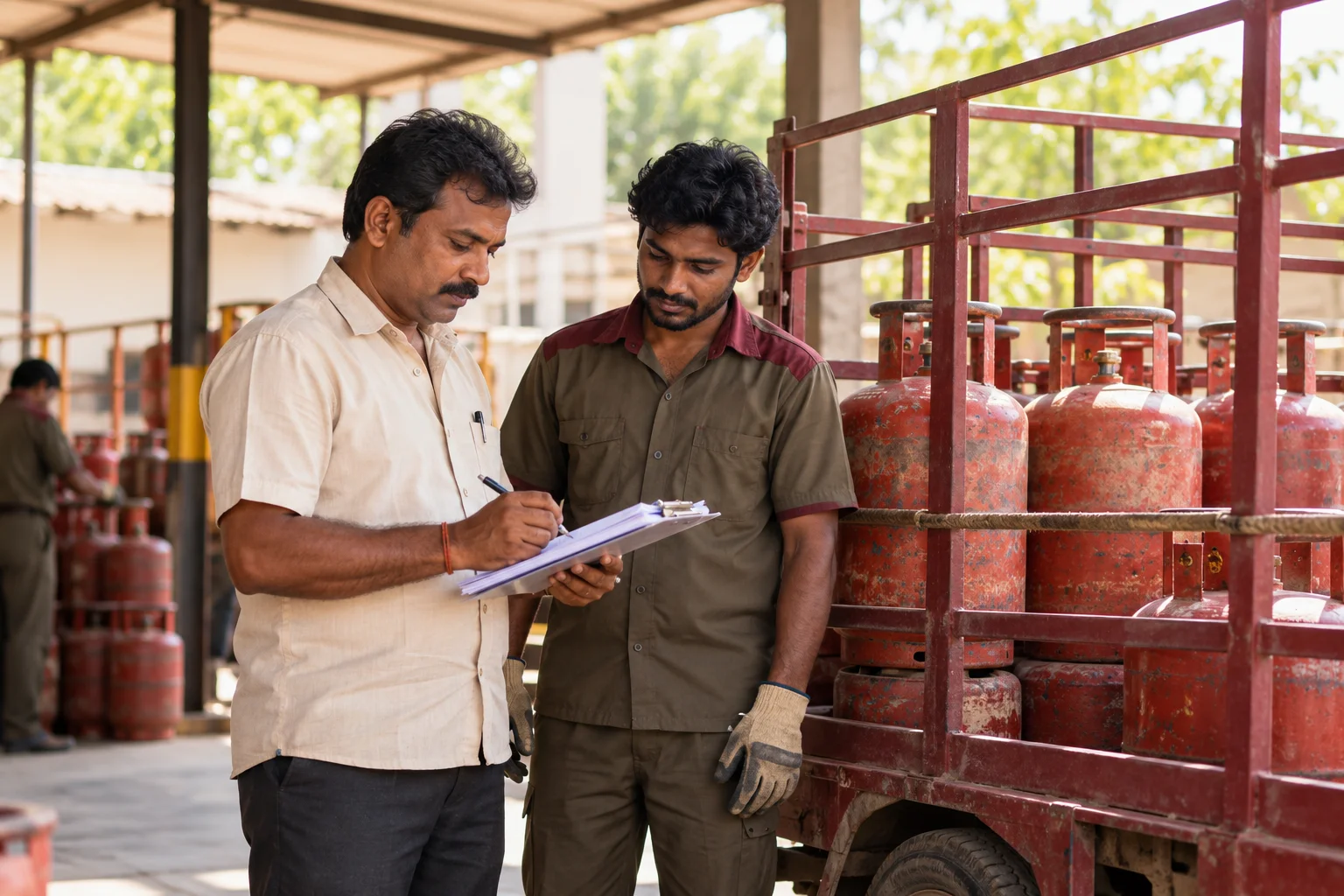
What follow up systems means
A follow-up system is the set routine for calling, messaging or emailing an enquiry more than once, since most buyers do not decide on the first conversation. GullySales sets the number and timing of follow-ups so an undecided buyer keeps hearing from you until they decide either way.
Also for LPG and cooking gas distributors
Sales and marketing for LPG and cooking gas distributors, the overview.
Last updated 22 Oct 2026.
For LPG and cooking gas distributors
Where it usually goes wrong, and what we would do.
“A missed delivery needs a call that same day”
The customer who waited and heard nothing writes a review. The customer who gets a call with a new time has less reason to. Say sorry once, give a new time and keep it.
“Commercial accounts need a courtesy touch”
A caterer who has not ordered recently should hear from you. A quiet gap can mean a competitor has the account. The call can be short: is everything fine, is there a change in your needs.
“Complaints close only when the customer says so”
A fixed fault is not a resolved complaint until the customer confirms. A follow-up call after the fix gives the final answer. Ask what would have made it better and note the answer.
“New customers need a first-order check”
A new commercial account that gets the first delivery right becomes a regular. One that does not leaves quietly. Ring the day after, not the week after.
What we do
What we deliver for LPG and cooking gas distributors.
Every deliverable, what it covers for you, and the result it is there to produce. Nothing here is an extra.
A delivery confirmation message
A short note on the booking, the expected delivery and a contact if it does not arrive.
Result: Customers know what to expect.
A same-day complaint call rule
A named person phones every complaint and records the outcome.
Result: Complaints get a human response.
A commercial courtesy-call list
Accounts that have gone quiet, with a suggested call.
Result: Slipping accounts are caught.
A first-order check call
A call after the first commercial delivery to ask how it went.
Result: Problems are found before they repeat.
A close-out note
Confirmation that the customer is satisfied before the case closes.
Result: Complaints end properly.
A script for the courtesy call
Three questions and a note for the record.
Result: Every call gathers the same facts.
An escalation path
Who takes over if the first person cannot fix it.
Result: No complaint stalls.
How the result is measured
- Follow-up completion rate
- Average number of follow-ups before close
- Enquiries closed after repeat follow-up
Recorded as a baseline before work starts, so every later report has an honest comparison.
What to capture or send
The moments when a call or message keeps a customer from leaving.
- A missed or late delivery
- The counter rings or messages the customer with a real reason and a new time they can rely on. Do not guess at a time the truck cannot meet.
- A first order from a new commercial account
- A call after the first delivery to ask whether the cylinder arrived in good order and whom to ring next time.
- A leak report closed
- After the mechanic's visit, confirm the customer is satisfied and the cylinder is replaced if due. Close the record only on their word.
- A quiet commercial customer
- When a regular kitchen skips its usual pattern, ring and ask. It may be a closure, a competitor or an unreported delay.
- Festival and holiday notice
- A short message on counter hours so customers book ahead. It heads off the angry call on the day.
Who it is for
This is written for these LPG and cooking gas distributors.
- Oil company appointed distributors for domestic connections
- Commercial cylinder suppliers to restaurants and caterers
- Distributors serving hostels, PGs and institutional canteens
- Small cylinder and refill dealers for tenants and students
- Bulk LPG suppliers to hotels, factories and hospitals
- Rural distributors serving villages with scattered delivery
- Urban apartment-belt agencies in cities such as Bengaluru, Pune and Hyderabad
- Gas stove, regulator and hose accessory sellers attached to an agency
Not for
It is not the right fit if.
- No one owns follow-up calls, so a system would remind people of tasks nobody does.
- Your complaint handling is unclear, and a call to an unhappy customer without an answer makes things worse.
- Booking is still tangled between the counter and the delivery team, so messages would repeat the contradiction.
How it works
How the follow up systems work runs
The work itself, in order. How an engagement starts, from your brief to a written scope, is set out on our method page.
- 1
Measure today's reply time
From your recent enquiries, we set the time each arrived against its first reply, using the call log, chats, form entries and portal panel. We also count the follow-ups each one got.
- 2
Agree targets and the sequence
We set reply targets and the follow-up sequence with your team, based on its real hours and workload.
- 3
Write the templates and first-call questions
The first reply, the quote follow-up and the last attempt are written in your voice and loaded as quick replies. The first-call questions are agreed with your best salesperson.
- 4
Set ownership, tasks and alerts
Named owners, cover for leave and CRM or sheet tasks go live. App alerts, such as IndiaMART's, are switched on for the right phones.
- 5
Track and adjust
Reply time and follow-up completion are reported against the baseline, and the routine is changed where it is not kept. How often you are reported to is agreed in writing.
Where this fits
Three pieces of sales work, in this order.
This work sits inside sales process design, at stage 2, qualification. The audit comes before it, and sales management keeps it running.
Step 1
Sales audit
Find where deals are being lost and what to fix first.
Start here if you cannot say where orders are lost.
Step 2 · you are here
Sales process design
One written way to sell, from first enquiry to repeat order.
Start here if every salesperson sells differently.
Step 3
Sales management
A target, a review routine and someone who owns the number.
Start here if the team has targets and no routine.
FAQ
Questions owners ask before they call.
Not here? More answers, or ask on WhatsApp.
Who should make the calls?
Can we use automatic messages?
What if a customer complains about price or allotment?
What do we say to a customer upset about allotment?
How long is the contract?
How soon will we see results?
Who will actually do the work?
What do you need from us?
What if we are not happy with the work?
More for LPG and cooking gas distributors
Everything else we would do for you.
Closest to this: leads and follow-up
Also for LPG and cooking gas distributors
Or start from the overview: sales and marketing for LPG and cooking gas distributors.
Your next practical step
Tell us what you are trying to grow, and we will read it before we call.
Eight short steps, mostly taps. Skip anything you would rather answer on the call.