LPG and cooking gas distributors · Lead generation
Find the kitchens, hostels and canteens that need a cylinder supplier they can ring.
Lead generation for an LPG distributor means finding commercial kitchens, small-cylinder users and bulk buyers in your area, since domestic connections follow the oil company's allotment. GullySales works on the lists, the enquiry routes and the first conversation, within what your agreement allows.
Scope, fee, reporting and term are agreed in writing after we have read your brief and spoken to you.
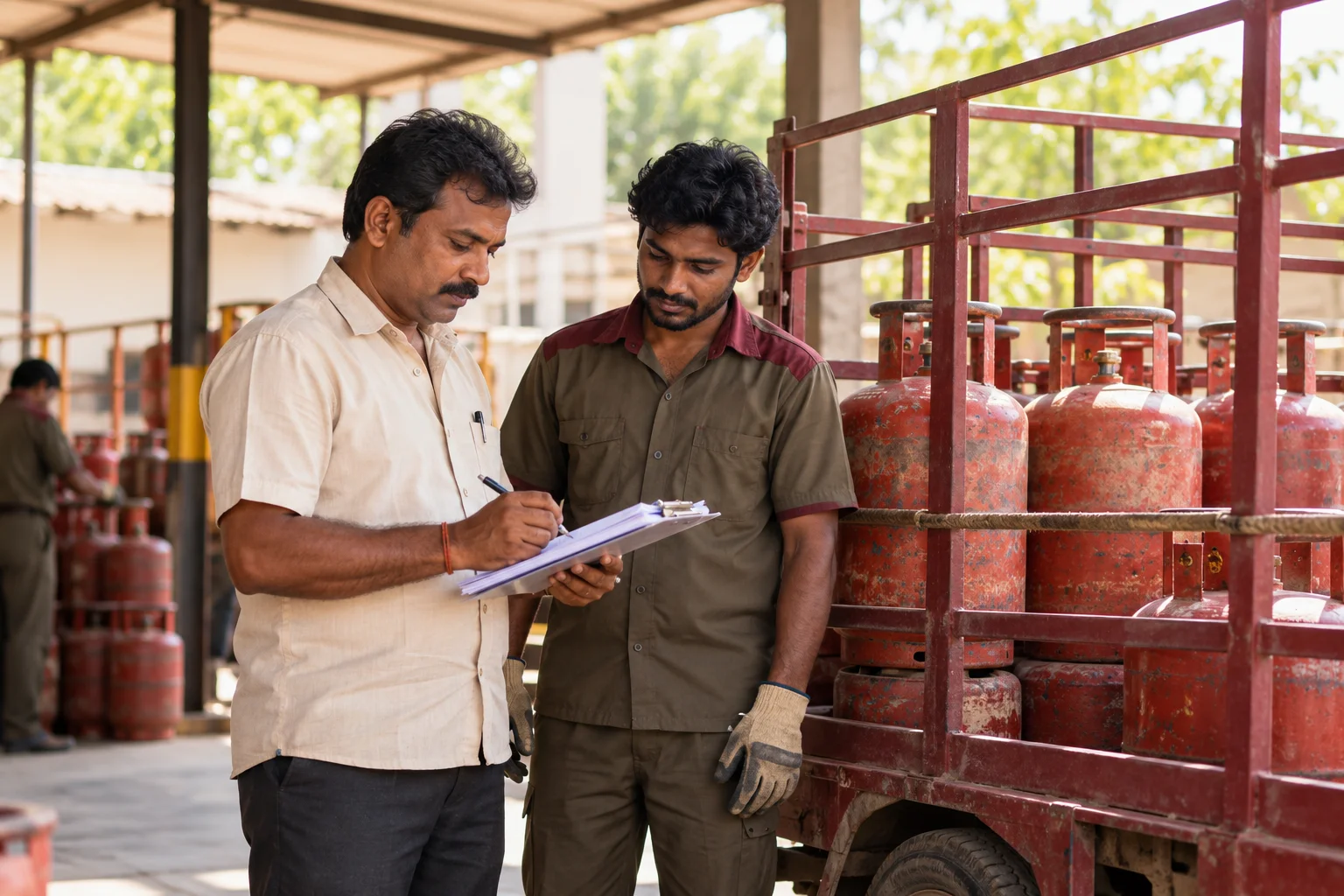
What lead generation means
Lead generation is the combined work of every channel that brings in a new enquiry, whether from search, adverts, referrals or a stall at an exhibition. GullySales runs these channels together and reports the number of enquiries each one produced, not the activity behind it.
Also for LPG and cooking gas distributors
Sales and marketing for LPG and cooking gas distributors, the overview.
Last updated 22 Oct 2026.
For LPG and cooking gas distributors
Where it usually goes wrong, and what we would do.
“Domestic connections are not the lead pool”
A household connection comes through the oil company and the area allotted to the agency. The enquiries you can actually win are the dhaba, the caterer, the hostel and the tenant who needs a small cylinder. Chasing them wastes the counter's time and can mislead people about what the agency may do.
“A kitchen manager keeps two numbers and rings the one that answered”
Commercial buyers do not shop around all the time. They save a second supplier for the evening the first one fails. Being that saved number is the lead you are really after.
“Institutions buy through a process”
A college mess, a hospital canteen or a hotel has a purchase head and sometimes a tender note. A short supplier profile with delivery area, billing terms and a contact gets you onto the list.
“Rules limit what you may say”
What an agency can advertise, and where it can supply, is set by the oil company's agreement and government orders. Confirm with your sales officer and your own adviser, and keep lead messages to service and booking. Where the answer is unclear, ask first and write it down.
What we do
What we deliver for LPG and cooking gas distributors.
Every deliverable, what it covers for you, and the result it is there to produce. Nothing here is an extra.
A map of commercial targets in your area
Restaurants, caterers, hostels, canteens and small factories listed from your own delivery routes and local knowledge.
Result: The team calls a defined list, not whoever walks in.
A one-page supplier profile
Area served, delivery routine, billing arrangements and contact, written for a purchase head.
Result: An institution can add you to its list without a meeting.
A commercial enquiry route
A phone line, WhatsApp number and form that ask the kitchen's name, cylinder size and delivery point.
Result: Each enquiry arrives with the details needed to quote.
A small-cylinder and bulk enquiry path
Separate replies for students, tenants and factories asking about other sizes or bulk supply.
Result: Each buyer gets an answer meant for them.
A source note on every enquiry
Where the lead came from: referral, board, search, walk-in or call.
Result: You learn which routes bring paying accounts.
A call routine for target kitchens
A short script and a record of each call: kitchen name, current supplier arrangement and the next step.
Result: The caller always knows what to ask and what to log.
A referral note for existing commercial customers
A card or message that a satisfied cook or warden can pass to a colleague.
Result: Introductions come with your details attached.
How the result is measured
- Enquiries generated
- Cost per enquiry
- Enquiries by source
Recorded as a baseline before work starts, so every later report has an honest comparison.
What to capture or send
What to note when a kitchen or hostel asks about a supplier.
- Kind of premises
- Restaurant, caterer, mess, hostel, canteen or factory. It decides cylinder type, delivery pattern and who signs the bill, so record it on the first call.
- Cylinders used in a normal month
- Ask the cook or manager for their own count. It shows whether the account belongs with commercial supply or small cylinders, and lets you plan stock.
- Who places the order and who pays
- The cook rings, the owner pays, or an accounts clerk raises a purchase order. Note all three so the right person gets the invoice and the courtesy call.
- GST invoice and billing need
- Many kitchens want a GST invoice and a billing statement. Record the legal name and billing address so the first invoice is right.
- Current supplier and the complaint with them
- A late refill, a leak that was not replaced, a phone nobody picked up. It tells you what to promise only if you can keep it.
- Delivery spot and access
- Floor, lift, lane width or gate timing. The delivery team needs it before the first trip, and the customer sees you thought about their kitchen.
Who it is for
This is written for these LPG and cooking gas distributors.
- Oil company appointed distributors for domestic connections
- Commercial cylinder suppliers to restaurants and caterers
- Distributors serving hostels, PGs and institutional canteens
- Small cylinder and refill dealers for tenants and students
- Bulk LPG suppliers to hotels, factories and hospitals
- Rural distributors serving villages with scattered delivery
- Urban apartment-belt agencies in cities such as Bengaluru, Pune and Hyderabad
- Gas stove, regulator and hose accessory sellers attached to an agency
Not for
It is not the right fit if.
- Your delivery team cannot take on more commercial cylinders in the area, so new leads would see late refills and leave a bad review.
- No one has checked with the oil company's sales officer what you may say in outreach, so a campaign could breach the agreement.
- Nobody answers the phone in the evening when kitchens call, so more enquiries would only reach a ringing line.
How it works
How the lead generation work runs
The work itself, in order. How an engagement starts, from your brief to a written scope, is set out on our method page.
- 1
Understand your capacity
We ask how many enquiries your team can answer well, who answers after hours, and what a good enquiry looks like. Without this, the system fills a funnel nobody is watching.
- 2
Audit current sources
We read your call log, WhatsApp chats, enquiry sheet and platform dashboards. The baseline is recorded: enquiries by source, reply time, conversion and cost per order.
- 3
Strategise the channel mix
Search and maps are chosen for people ready to buy, ads for people who are not yet looking, and content and referrals for trust.
- 4
Implement capture and follow-up
Pages, forms, tags, the lead record and the first-reply message are built and tested end to end. We submit test enquiries ourselves before any media money is spent.
- 5
Measure and optimise
Enquiries are traced to source and judged by what became orders, not by volume alone. Channels that fill the sheet with poor enquiries are cut back. How often you are reported to is agreed in writing.
Where this fits
Three pieces of sales work, in this order.
This work sits inside sales process design, at stage 1, prospecting and lead generation. The audit comes before it, and sales management keeps it running.
Step 1
Sales audit
Find where deals are being lost and what to fix first.
Start here if you cannot say where orders are lost.
Step 2 · you are here
Sales process design
One written way to sell, from first enquiry to repeat order.
Start here if every salesperson sells differently.
Step 3
Sales management
A target, a review routine and someone who owns the number.
Start here if the team has targets and no routine.
FAQ
Questions owners ask before they call.
Not here? More answers, or ask on WhatsApp.
Can an agency run ads for new customers?
Can you bring us more domestic connections?
Where do commercial leads come from?
Can we approach restaurants door to door?
How much does it cost?
How long is the contract?
How soon will we see results?
Who will actually do the work?
What do you need from us?
What if we are not happy with the work?
More for LPG and cooking gas distributors
Everything else we would do for you.
Closest to this: leads and follow-up
Also for LPG and cooking gas distributors
Or start from the overview: sales and marketing for LPG and cooking gas distributors.
Your next practical step
Tell us what you are trying to grow, and we will read it before we call.
Eight short steps, mostly taps. Skip anything you would rather answer on the call.