How people choose in this industry
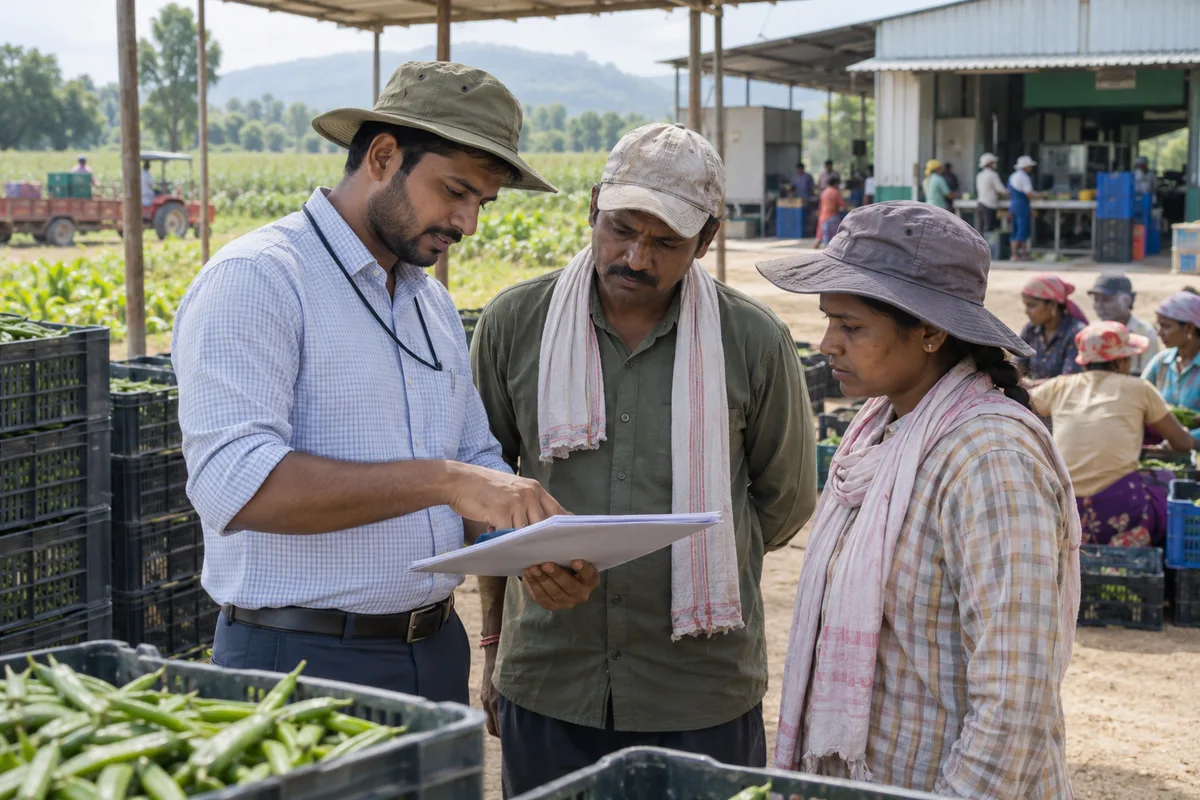
A household buyer picks an organic farm because someone they trust recommended it: a friend, a noticeboard at a clinic, a residents' WhatsApp group or a farm visit event. They then check whether the farm has certification, whether it can deliver on a fixed day, and whether the produce looks the same each week.
Stores, restaurants and exporters decide differently. They ask for the certificate or participatory guarantee papers, the crop calendar and a sample, and they check that the farm can deliver the same quantity repeatedly. The rules for what may be called organic differ by scheme and change over time, so each farm should confirm its own wording with its certifying body.
What keeps a customer is the first three deliveries. Produce that arrives fresh, on the day promised, with a note on what is in the box and what is coming next, turns a trial into a subscription. One missed delivery with no message can lose the household and the neighbours who asked it about the farm.
The decision before implementation
Define the process and access permissions before changing software settings or adding automation.
Existing industry priorities to review
- Visible proof of method and certification
- Household subscriptions that renew
- Organic and natural food store listings
- Restaurants and cloud kitchens that want traceable produce
- A crop calendar customers understand
These describe the industry's wider priorities. The written scope identifies which this service will address.