Art galleries and art consultants · Social media
Show the work on a wall and the artist at work, and let the message come.
Social media marketing for an art gallery is the use of Instagram and other platforms to show works, artists and exhibitions to collectors, designers and the curious. GullySales works on what is posted, how it explains the work and how it leads to an enquiry.
Scope, fee, reporting and term are agreed in writing after we have read your brief and spoken to you.
What social media means
Social media is the ongoing posting your business does on platforms such as Instagram, Facebook and LinkedIn to stay visible to customers and prospects between purchases. GullySales plans a posting calendar, writes captions and designs the images so the page looks active and answers what a visitor would ask.
Also for art galleries and art consultants
Sales and marketing for art galleries and art consultants, the overview.
Last updated 14 Nov 2026.
For art galleries and art consultants
Where it usually goes wrong, and what we would do.
“A flat image does not tell the size”
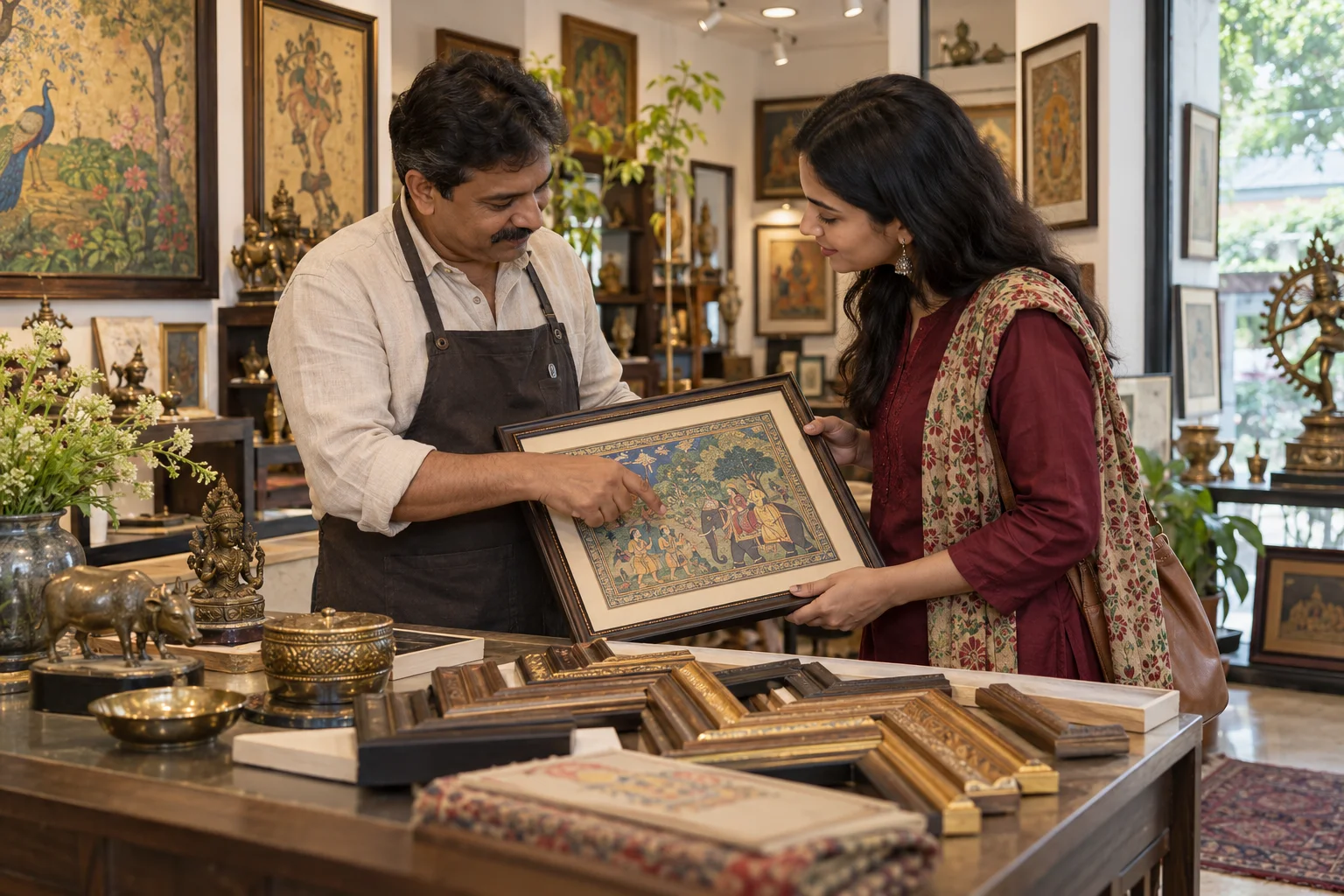
A painting looks the same on a phone whether it is a hand's width or a door's height. A post that shows the work in a room, or beside a person, answers the first question.
“The artist is the reason to follow”
Studio visits, process and the story behind a series give a viewer a connection. A gallery that posts only finished work misses the part that makes people care.
“Exhibition posts go stale at once”
A post for an opening is read for a day. A sequence that builds before, records the night and follows with works still available keeps the show alive after the crowd leaves.
“Rights and credit need care”
Posting a work without the artist's agreement, or without credit, harms relations. A clear understanding with each artist on what may be shared protects the gallery.
What we do
What we deliver for art galleries and art consultants.
The work available for this need. We agree the deliverables and responsibilities for your engagement in writing.
A caption format for every work
Artist, title, medium, size, year and how to enquire, in a fixed order.
Result: Each post answers the first question.
Wall views and scale shots
Photographs or mock-ups showing the work in rooms and with a person for scale.
Result: A viewer can judge the size at a glance.
Artist stories and studio posts
Short features on process and background, written with the artist's agreement.
Result: Followers meet the people behind the work.
An exhibition sequence
Posts before, during and after a show, ending with what is still available.
Result: A show keeps selling after the opening.
A permission note for each artist
A written understanding of what the gallery may post, tag and credit.
Result: Posting never surprises an artist.
How the result is measured
- Posts published
- Engagement rate
- Enquiries from social profiles
Recorded as a baseline before work starts, so every later report has an honest comparison.
Posts and pieces to plan
The posts that let a collector see the work and meet the artist.
- The work on a wall at real size
- A photograph or short video with a person or furniture beside the work, because a flat image hides scale.
- The artist explaining one work
- A reel of the artist in the studio, with consent, and a caption naming the work and its medium.
- A new show before the opening
- A carousel previewing a few works with the opening date and the route to ask for the price list.
- How a large canvas is framed and hung
- A behind-the-scenes post of an installation, which answers a buyer's worry about delivery and care.
- A collector's wall with a gallery work
- A post of a work in a collector's home, only with their written agreement and credit.
Who it is for
This is written for these art galleries and art consultants.
- Contemporary art galleries representing living artists
- Modern and traditional art dealers
- Art consultants and advisors for homes and offices
- Corporate art curators for lobbies and workplaces
- Hospitality art consultants for hotels and restaurants
- Print, photography and limited edition galleries
- Artist-run studios and cooperative galleries
- Gallery-cafe and pop-up exhibition spaces
Before you decide
When this may not be the right fit.
- Your artists have not agreed on how their work may be posted, and one post could breach a representation term.
- No one at the gallery can photograph works in even light, and poor images would harm the work.
- You have no price list ready, so the messages a post draws would be met with delay.
Before you decide
Agree the work. Know how to judge it.
Social media marketing for art galleries: use these checks to prepare, choose the scope, and review what changes.
Bring the right evidence
Review the posts that produced useful conversations, not only the ones with the most views. Gather buyer questions and decide which team member can contribute credible material.
Make the scope clear
Choose the audience and channel before setting a posting volume. Agree who supplies material, approves posts, and handles messages, including complaints or questions the agency cannot answer.
Check the work in use
Follow a post through to the profile, website, and response. A useful report explains the quality of conversations and enquiries, alongside reach and engagement.
Know when to change course
If publishing takes time away from unanswered buyer messages, fix the response routine first. Do not expand to another channel without a clear reason for being there.
These are discussion points, not a fixed package. GullySales confirms the deliverables, responsibilities, fee, and term in writing after reading your brief and speaking with you.
Before we start
What to have ready before the work starts.
The records, access and decisions this work needs from art galleries and art consultants. Anything missing is noted in the written scope, with who will supply it.
- Written consent from each artist
- Keep a note from each represented artist agreeing to be shown on social media, with their preferred credit and handle. A message is acceptable. Without consent we do not post their work, and a gap appears in the plan where that artist should be.
- Login to the gallery's Instagram account
- Hold the real login under the gallery's name, with a role for us rather than the password. If a former assistant created the account, ownership is recovered first. Without the account, no part of the calendar can be published. Keep the recovery email and phone for the account safe with the director.
- Photographs or time for a shoot
- Provide existing professional photographs of works, or set aside the hours for a shoot when the walls are hung. Phone pictures in good light may do. Without images, the first weeks of the plan consist of text on a plain background, which does not suit art.
- The exhibition plan with dates and artists
- Share the list of shows, openings and artist visits that are fixed. A rough plan is useful. If the calendar is open, we plan the feed around the roster and rebuild the sequence once the exhibitions are known. Even a provisional list lets us plan a sequence, which we adjust as dates settle.
- A single person who answers messages
- Name the person who replies to comments and messages from collectors. They need to know the works and the policy on prices. If it is shared among everyone, replies come late or differ, and a serious buyer moves on. They also need the authority to promise a viewing, or the reply stays empty.
How it works
How the social media work runs
The work itself, in order. How an engagement starts, from your brief to a written scope, is set out on our method page.
- 1
Take stock of the feed and its rights
We scroll the gallery's present Instagram feed with the director and mark each post for whether the artist agreed to it, whether the credit is right and whether the image shows the work fairly. You decide what stays, and what is taken down after consulting the artist.
- 2
Photograph works with scale beside them
We plan a shoot where each work is shown on a wall, with a person or a familiar object for scale, and in a close view of the surface. You choose which works are photographed. A flat image of a large painting is not allowed to stand alone.
- 3
Set the caption format with the gallery team
We settle one caption pattern: artist, title, medium, size, year, availability and how to enquire. You and the gallery staff edit the wording so that it sounds like the gallery. Every post then answers the questions a collector would otherwise have to ask. Each caption also names the credit line, so no artist is left unnamed.
- 4
Plan the exhibition run and the studio visits
We plan the sequence of posts around a show: the announcement, the installation, the opening, the works and the closing note. Studio visits with represented artists fill the spaces between shows. You decide which artists are comfortable being filmed. The plan leaves room for a work that arrives without warning, and for the closing note.
- 5
Publish with the enquiry route ready
The first posts go out when someone is ready to answer a message the same day. We hand over the reply lines. You check that a collector who writes receives a considered answer rather than silence or a bare price. We also agree how a message with only the word price is answered, using the reply set.
- 6
Read the post sheet beside the earlier enquiries
We compare the messages, saves and visits that came from posts with the figures taken before the plan began. You see which kinds of post led to a conversation about a work, and we choose which formats to repeat and which to leave. We mark any post an artist asked to withdraw, so the sheet shows how consent works in practice.
Where this fits
Three pieces of sales work, in this order.
This work sits inside sales process design, at stage 0, foundation. The audit comes before it, and sales management keeps it running.
Step 1
Sales audit
Find where deals are being lost and what to fix first.
Start here if you cannot say where orders are lost.
Step 2 · you are here
Sales process design
One written way to sell, from first enquiry to repeat order.
Start here if every salesperson sells differently.
Step 3
Sales management
A target, a review routine and someone who owns the number.
Start here if the team has targets and no routine.
FAQ
Questions owners ask before they call.
Not here? More answers, or ask on WhatsApp.
Should we sell directly on Instagram?
How do we handle artists who also post their own work?
Can we post a work before the artist approves?
How should we post works that have sold?
Can we post a work before the artist has approved the image?
How do we post a work that has already sold?
How much does it cost?
How long is the contract?
How soon will we see results?
Who will actually do the work?
More for art galleries and art consultants
Related work to consider.
Closest to this: content and social
Also for art galleries and art consultants
Or start from the overview: sales and marketing for art galleries and art consultants.
Your next practical step
Tell us what you are trying to grow, and we will read it before we call.
Eight short steps, mostly taps. Skip anything you would rather answer on the call.