Blinds, shades and awning dealers · Social media
Let a window before and after do the selling on Instagram and WhatsApp.
Social media for a blinds and awning dealer is the steady showing of finished windows, frontages and balconies where homeowners and shop owners already scroll. GullySales works on what you post, how each post leads to a message and how permission for client homes is handled.
Scope, fee, reporting and term are agreed in writing after we have read your brief and spoken to you.
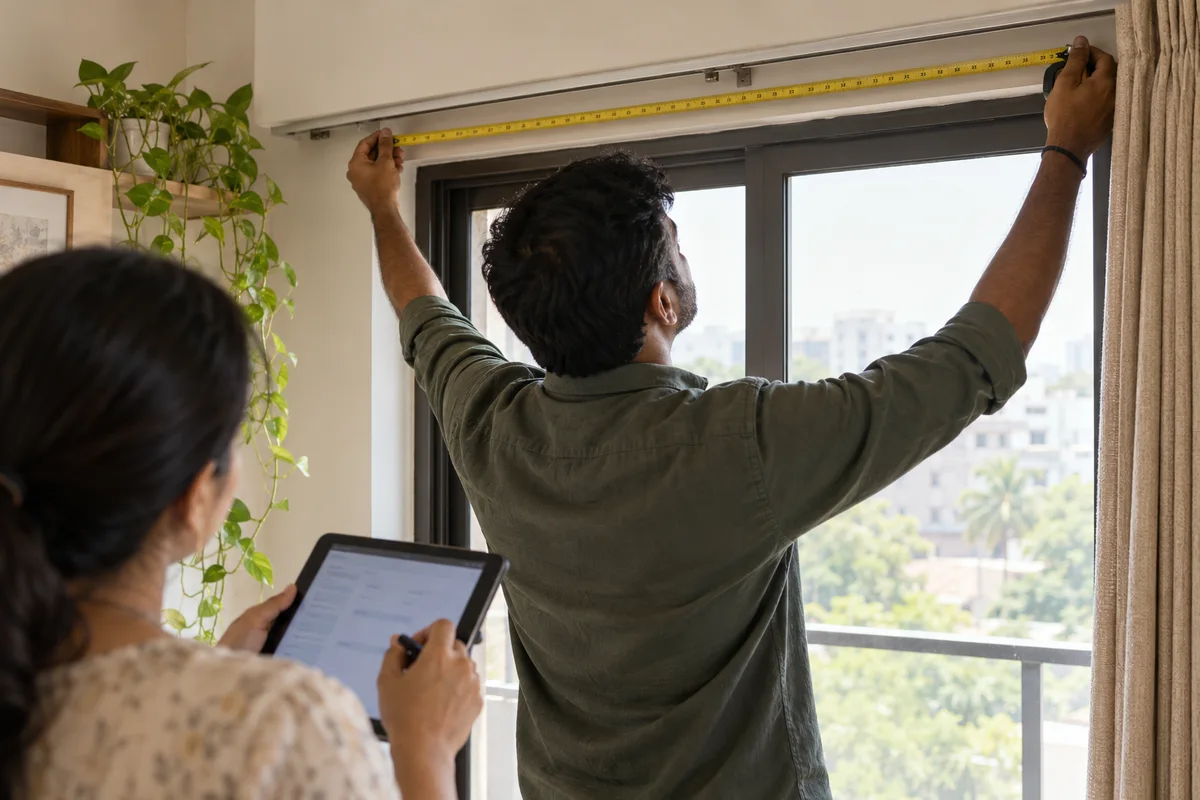
What social media means
Social media is the ongoing posting your business does on platforms such as Instagram, Facebook and LinkedIn to stay visible to customers and prospects between purchases. GullySales plans a posting calendar, writes captions and designs the images so the page looks active and answers what a visitor would ask.
Also for blinds, shades and awning dealers
Sales and marketing for blinds, shades and awning dealers, the overview.
Last updated 14 Nov 2026.
For blinds, shades and awning dealers
Where it usually goes wrong, and what we would do.
“A blind is bought by looking at someone else's room”
A buyer who sees a bedroom with a blackout roller and a living room with a zebra blind begins to picture their own. Posts that show the product on a window do more than posts of fabric rolls on a shelf.
“Reels of the fitting hold attention”
A short film of the blind going up, with the light changing as it is drawn, shows what a still photograph cannot. The fitter on site is the one with the camera, so the filming habit has to be built into the job.
“Client homes need permission before they appear”
Posting a finished flat without asking shows a stranger's bedroom to the public. Ask before filming, avoid showing personal items, and keep a note of who agreed, so the gallery stays a source of trust and not of complaints.
“Comments turn into WhatsApp chats”
A buyer who writes how much is asking for a rate. Replying in the comment with a price quotes blind; replying with a request for a photo of the window moves the person to a conversation where a visit can be booked.
What we do
What we deliver for blinds, shades and awning dealers.
The work available for this need. We agree the deliverables and responsibilities for your engagement in writing.
A content plan around rooms and frontages
A list of post ideas by room, window type and shopfront, drawn from jobs your fitters already do.
Result: Your team knows what to photograph on each job.
A fitting-day filming routine
A short routine for the fitter to record the before, the fitting and the finished window on a phone.
Result: Every job produces material to post.
Permission notes for client homes
A simple form of words to ask a client for permission to photograph, and a record of the answer.
Result: Gallery posts have the client's agreement behind them.
A reply guide for comments and messages
Written replies for rate questions, size questions and requests for a visit, moving each to a WhatsApp chat.
Result: Comments become measuring visits.
Profile and highlights set in order
An Instagram profile with blind types, awning work, fabric samples and the booking link arranged as highlights.
Result: A new visitor finds the product and the next step in seconds.
A record of enquiries from each post
The messages that followed each post or reel, noted against the order that came after.
Result: You see which kind of post earns enquiries.
How the result is measured
- Posts published
- Engagement rate
- Enquiries from social profiles
Recorded as a baseline before work starts, so every later report has an honest comparison.
Posts and pieces to plan
Plan the posts that show a bare window and the finished one.
- Before and after of a fitted window
- Two photographs from the same angle, with the blind type and the room named, taken with the owner's permission.
- Fitting reel: bracket to finished blind
- A short clip of the fitter at work, showing neatness and care. It builds trust before the visit.
- Fabric close-up in daylight
- The fabric shown with light passing through it, so a buyer sees the blackout or sheer effect.
- Awning in rain or sun
- A fitted awning at work, with the type and the shop named with permission.
- Designer collaboration
- A finished room with the designer credited, with their consent. It reaches designers who follow the shop.
Who it is for
This is written for these blinds, shades and awning dealers.
- Roller, zebra and day-and-night blind showrooms for flats
- Venetian and wooden blind specialists
- Bamboo chik, cane and outdoor weatherproof blind dealers
- Balcony shade and drop-down PVC blind fitters
- Retractable and fixed awning and canopy makers
- Motorised and smart blind installers
- Office and commercial blind contractors
- Shopfront and restaurant awning suppliers
- Mosquito net and insect screen fitters who also sell blinds
- Blind fabric and component wholesalers selling to fitters
Before you decide
When this may not be the right fit.
- You have no permission from clients to show their homes
- No one can reply to the comments and messages
- The fitter's work is not neat enough to show
Before you decide
Agree the work. Know how to judge it.
Social media marketing for blinds dealers: use these checks to prepare, choose the scope, and review what changes.
Bring the right evidence
Review the posts that produced useful conversations, not only the ones with the most views. Gather buyer questions and decide which team member can contribute credible material.
Make the scope clear
Choose the audience and channel before setting a posting volume. Agree who supplies material, approves posts, and handles messages, including complaints or questions the agency cannot answer.
Check the work in use
Follow a post through to the profile, website, and response. A useful report explains the quality of conversations and enquiries, alongside reach and engagement.
Know when to change course
If publishing takes time away from unanswered buyer messages, fix the response routine first. Do not expand to another channel without a clear reason for being there.
These are discussion points, not a fixed package. GullySales confirms the deliverables, responsibilities, fee, and term in writing after reading your brief and speaking with you.
Before we start
What to have ready before the work starts.
The records, access and decisions this work needs from blinds, shades and awning dealers. Anything missing is noted in the written scope, with who will supply it.
- Admin access to your Instagram and Facebook pages
- We need to draft, schedule and read messages on the accounts, with you as the owner. If a former employee or agency holds the only login, recover it first, or we cannot publish and the plan stalls.
- A fitting day we may film
- A job that is already booked and where the client has agreed to filming. Without it, we film only a showroom sample, which is less convincing to a buyer who wants to see a fitting in a real room. Tell us also who else on the team can take over if the owner is away.
- Your finished-job pictures with dates
- All photographs your team holds, with the product and place if known. Phone pictures are fine. A thin library means the plan starts with showroom pictures and builds up as new jobs are photographed. Add a line on how long each library item may stay online.
- A person to read and answer messages
- Someone who checks comments and direct messages and replies during the working day, using our guide. If nobody does, a buyer's photograph and question wait where others can see it, which is worse than having no page.
- Your rule on posting prices
- A written view on whether prices appear in posts. Prices vary by window size and fabric, and an old figure is held against you. If undecided, posts carry no figure and invite a message for a quote after the measuring visit.
How it works
How the social media work runs
The work itself, in order. How an engagement starts, from your brief to a written scope, is set out on our method page.
- 1
Sort your finished jobs into rooms and frontages
We go through your photographs with you and sort them by room, window type and frontage: bedroom, living room, balcony, shop, restaurant. We note which pictures are strong, which need a retake and which cannot be used because of the client's belongings. This sort becomes the first library for the content plan. Pictures of unfinished work or of a client's personal items are set aside for good.
- 2
Plan posts around rooms, fittings and seasons
We build a plan around what buyers look at: a balcony before and after, a zebra blind in a bedroom, a shopfront awning in the first rains. You approve the topics. Seasonal posts follow the weather your buyers feel, such as heat on west-facing windows and rain on open balconies.
- 3
Film a fitting day with your fitter
On an agreed fitting, we shoot short clips of the measuring, the bracket marking, the fixing and the finished blind drawn open and closed. No client's face, belongings or address appear. You review the footage, and we cut it into short reels that show the work, not a sales pitch.
- 4
Set up the permission note for client homes
We write a short note that your team sends before a client's room is photographed or shown. The reply goes in your file with the job. Where permission is missing, the post uses a showroom sample or a stock-free drawing, and the client's home is not shown. The note names the room, says no address will be shown and gives the client a way to ask for removal.
- 5
Write captions and reply to comments by one guide
We write captions that name the room and the product, and a reply guide for comments and messages: how to answer a price question, how to ask for a photograph, when to move to WhatsApp. You read every caption. Comments are answered by a named person.
- 6
Record which posts brought enquiries
Each post and reel is tagged, and your team notes which messages and calls followed. We compare those with the figures recorded before the work began, then tell you which rooms, products and formats led to measuring visits. You decide what continues and what stops.
Where this fits
Three pieces of sales work, in this order.
This work sits inside sales process design, at stage 0, foundation. The audit comes before it, and sales management keeps it running.
Step 1
Sales audit
Find where deals are being lost and what to fix first.
Start here if you cannot say where orders are lost.
Step 2 · you are here
Sales process design
One written way to sell, from first enquiry to repeat order.
Start here if every salesperson sells differently.
Step 3
Sales management
A target, a review routine and someone who owns the number.
Start here if the team has targets and no routine.
FAQ
Questions owners ask before they call.
Not here? More answers, or ask on WhatsApp.
Which platform matters more for blinds, Instagram or Facebook?
Do we need professional photographs?
Should we post prices?
Do we need to blur the client's home?
Should we use the same posts on Instagram and Facebook?
What if a client asks us to remove a post?
How long is the contract?
How soon will we see results?
Who will actually do the work?
What do you need from us?
More for blinds, shades and awning dealers
Related work to consider.
Closest to this: content and social
Also for blinds, shades and awning dealers
Or start from the overview: sales and marketing for blinds, shades and awning dealers.
Your next practical step
Tell us what you are trying to grow, and we will read it before we call.
Eight short steps, mostly taps. Skip anything you would rather answer on the call.