Bridal wear boutiques · Social media
Show the outfit on a real bride's terms and answer the comment that asks the price.
Social media marketing for a bridal boutique is the planned use of Instagram, Facebook and short video to show outfits, fittings and finished looks to brides who are deciding. GullySales plans the posts, the replies and the route from a comment to an appointment.
Scope, fee, reporting and term are agreed in writing after we have read your brief and spoken to you.
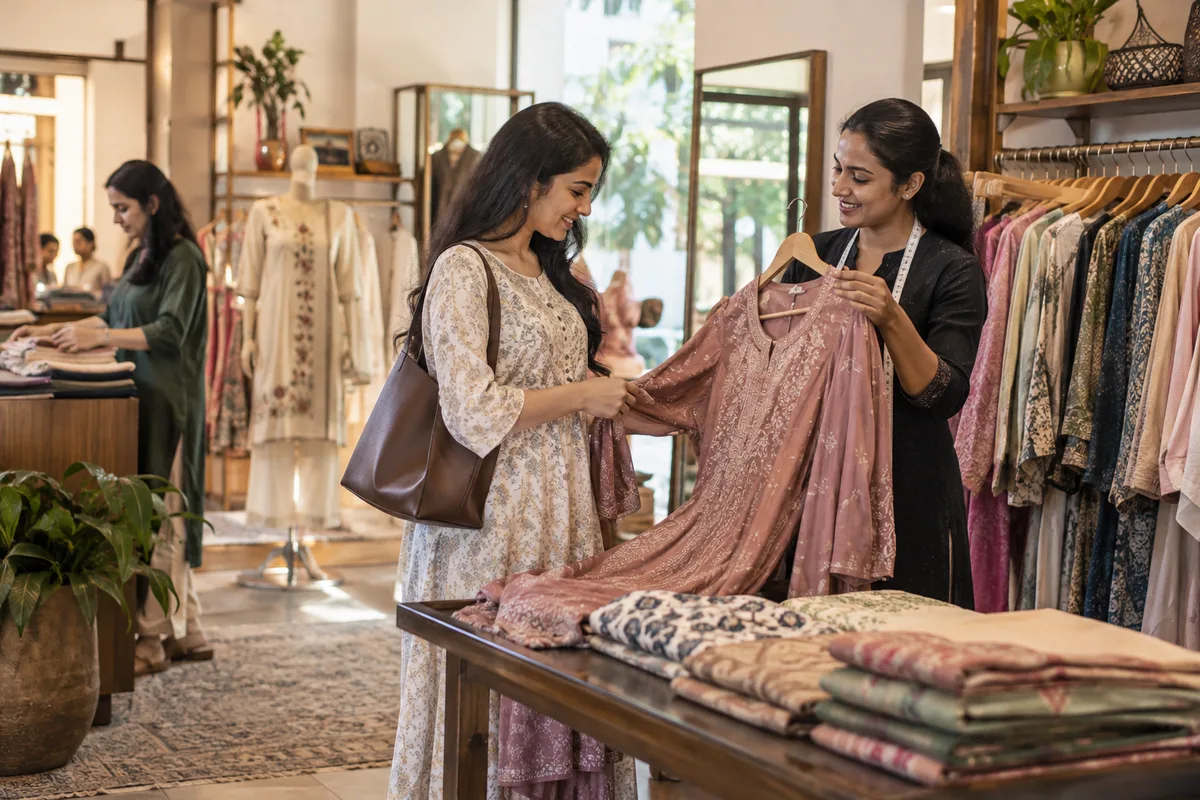
What social media means
Social media is the ongoing posting your business does on platforms such as Instagram, Facebook and LinkedIn to stay visible to customers and prospects between purchases. GullySales plans a posting calendar, writes captions and designs the images so the page looks active and answers what a visitor would ask.
Also for bridal wear boutiques
- Content marketing for bridal wear boutiques
- Lead generation for bridal wear boutiques
- SEO for bridal wear boutiques
- Local SEO for bridal wear boutiques
- Buyer personas for bridal wear boutiques
- CRM for bridal wear boutiques
- Follow-up systems for bridal wear boutiques
- WhatsApp marketing for bridal wear boutiques
Sales and marketing for bridal wear boutiques, the overview.
Last updated 14 Nov 2026.
For bridal wear boutiques
Where it usually goes wrong, and what we would do.
“The grid is a portfolio, not a diary”
A bride who opens your page looks for a matching style in the first rows. If every post is red and gold, the pastel or ivory bride moves on. Show the range you actually make.
“A reel gets watched, a reply gets booked”
A twirl video draws comments such as 'price?' or 'available?'. The boutique that answers with the wedding date question and an appointment offer turns the comment into a visit.
“Behind-the-scenes shows craft, and craft justifies price”
Hand embroidery, fabric selection and fittings explain why an outfit costs what it does. Short clips of the work answer the price question before it is asked.
“Bride photographs need consent in writing”
A picture of a bride in your outfit is the bride's image. Ask for written consent that says where it will appear, and keep to it. Where there is no consent, use model or mannequin pictures.
What we do
What we deliver for bridal wear boutiques.
The work available for this need. We agree the deliverables and responsibilities for your engagement in writing.
Content plan by outfit type
A plan that rotates lehengas, sarees, gowns, nikah wear and groom wear so each buyer finds a post.
Result: Every outfit type you sell appears on the page.
Comment and message reply scripts
Replies for price, availability, customisation and trial, each ending with a date question.
Result: Staff answer the same question the same way.
Reel ideas from the shop floor
Ideas such as a fabric reveal, a fitting adjustment or a dupatta draping, shot on a phone.
Result: The team has a list of reels it can shoot without a studio.
Highlights that answer buyers
Story highlights for appointments, rental, alterations, deposit terms and location.
Result: Common questions are answered on the profile itself.
Bride consent form
A one-page form for permission to post photographs, naming the places the picture will be used.
Result: Every bride picture has a signed form behind it.
How the result is measured
- Posts published
- Engagement rate
- Enquiries from social profiles
Recorded as a baseline before work starts, so every later report has an honest comparison.
Posts and pieces to plan
Posts that show an outfit and answer the comment that asks the price.
- A lehenga in daylight and indoors
- Two photographs of the same piece in different light, taken with the bride's written consent. Caption names the fabric and work.
- The fitting room, before the wedding
- A reel of the fitting with the tailor at work, bride's face out unless the bride agrees. Shows craft that justifies the price.
- Price comment reply
- A saved reply to the comment 'price?' that asks for the date and invites a message. Do not post prices in the comment.
- A rental piece and its terms
- A post for a hire outfit with the deposit and return rule in the caption. Keeps the question off the comments.
- A family shopping day
- A photograph with consent of a bride's family at the appointment, captioned with the outfit types seen.
Who it is for
This is written for these bridal wear boutiques.
- Bridal lehenga boutiques for made-to-order and ready wear
- Bridal saree and trousseau saree boutiques
- Christian wedding gown and western bridal wear shops
- Muslim bridal wear and nikah outfit boutiques
- Bridal rental boutiques
- Groom and family coordinated wedding wear stores
- Pre-wedding shoot outfit and trousseau boutiques
- Small studio boutiques run by a designer-owner
Before you decide
When this may not be the right fit.
- You have no written bride consent form, so every photograph would be a risk.
- No one answers comments or messages from the grid, so price questions would sit unanswered in public.
Before you decide
Agree the work. Know how to judge it.
Social media marketing for bridal wear boutiques: use these checks to prepare, choose the scope, and review what changes.
Bring the right evidence
Review the posts that produced useful conversations, not only the ones with the most views. Gather buyer questions and decide which team member can contribute credible material.
Make the scope clear
Choose the audience and channel before setting a posting volume. Agree who supplies material, approves posts, and handles messages, including complaints or questions the agency cannot answer.
Check the work in use
Follow a post through to the profile, website, and response. A useful report explains the quality of conversations and enquiries, alongside reach and engagement.
Know when to change course
If publishing takes time away from unanswered buyer messages, fix the response routine first. Do not expand to another channel without a clear reason for being there.
These are discussion points, not a fixed package. GullySales confirms the deliverables, responsibilities, fee, and term in writing after reading your brief and speaking with you.
Before we start
What to have ready before the work starts.
The records, access and decisions this work needs from bridal wear boutiques. Anything missing is noted in the written scope, with who will supply it.
- Admin access to Instagram and Facebook pages
- The owner's login, or admin rights for us as a guest, on the business pages and not on a personal account. Without admin access we cannot read the message insights or check scheduled posts. If a former designer set up the page, recover access before we begin. Check that the page is set as a business page, so that its tools are available.
- Folders of outfit photographs and videos
- Whatever you have shot in the shop, in the studio and at fittings, kept in one place and named by outfit. Phone pictures are fine if the light is good. If the folder is thin, the plan starts with a photo day, since posts cannot be planned on pictures that do not exist. Videos of the trial room, with consent from anyone shown, are especially welcome.
- Signed consent from brides already featured
- Written permission from any bride whose photograph is already on your page, or a decision to take the post down. This protects the bride and the boutique alike. Where no consent exists, we keep those pictures out of the plan, and the grid will look thinner until new consent arrives. If a bride cannot be reached, the post is taken down and not argued over.
- A person who can reply to messages
- Someone with a phone and the authority to answer a bride's message on the day it comes, with your price and availability rules in front of them. A good post with an unanswered message is wasted. If the owner is alone, we plan fewer posts so the replies can be kept up. Name a second person for the days the first is away.
- Your honest list of outfits worth promoting
- Say which lehengas, sarees or gowns you want more brides for, which are made to order and which you would rather not sell. The content plan follows this list. Without it, posts show whatever photographs are handy and not what the boutique needs to sell. Your preference also tells us what to leave out of the grid. Anything you would rather keep private is left out of every post.
How it works
How the social media work runs
The work itself, in order. How an engagement starts, from your brief to a written scope, is set out on our method page.
- 1
Scroll through your current grid together
We open your Instagram and Facebook pages with you and look at the recent posts as a bride would, asking what each one shows about the outfit, the fit, the price and the way you work. You tell us which posts brought messages. The result is a short list of what to keep, what to stop and what is missing. The list is kept on one page for the team.
- 2
Sort the shop-floor photographs by outfit
You give us the photographs and short videos you hold, and we sort them into outfit types, fittings and finished looks, marking those that need a bride's written consent before use. Anything without consent is set aside. What remains is the real stock of material that the content plan can be built on. Videos with a client's voice are checked for permission as well.
- 3
Plan posts around the wedding calendar
We map the posts against the months when brides are choosing and the months when they are being fitted, with a post idea for each outfit type you want to sell. You move anything that clashes with a delivery rush or a festival. The plan is a list of subjects, not a schedule of dates. Subjects for the peak buying months are listed first, since those are the posts that matter.
- 4
Draft the captions and the first replies
We write the captions in your voice and language, and the standard replies to the questions brides leave under a post, such as price, availability and trial booking. You edit anything you would not say aloud in the shop. Each reply ends by asking for the wedding date and offering an appointment. Replies written ahead save the staff from improvising on price.
- 5
Run the consent form for bride photographs
We prepare the written consent a bride signs before a photograph or video is posted, covering where it appears and for how long. You decide who asks for it at delivery. From then on no bride's picture goes live without the form, which is filed with the bride's record in your log. A bride who declines is simply left out of the picture, with no ill feeling.
- 6
Compare messages and trials with the count
At the start we noted the messages, saves and appointment requests that social posts had brought. Later we count the same things and you tell us who booked. We compare the outfit types that drew messages with the ones that drew bookings, and revise the plan accordingly. Messages that never moved to a booking are read as closely as those that did, because they show where the post promised too much.
Where this fits
Three pieces of sales work, in this order.
This work sits inside sales process design, at stage 0, foundation. The audit comes before it, and sales management keeps it running.
Step 1
Sales audit
Find where deals are being lost and what to fix first.
Start here if you cannot say where orders are lost.
Step 2 · you are here
Sales process design
One written way to sell, from first enquiry to repeat order.
Start here if every salesperson sells differently.
Step 3
Sales management
A target, a review routine and someone who owns the number.
Start here if the team has targets and no routine.
FAQ
Questions owners ask before they call.
Not here? More answers, or ask on WhatsApp.
Which platform matters most for a bridal boutique?
Should we tag the bride in a post?
Should we tag the bride in a post?
Which platform matters most for a bridal boutique?
Do we need to hire a model or a photographer for the posts?
Can staff post from their own phones, or should it be one person?
How much does it cost?
How long is the contract?
How soon will we see results?
Who will actually do the work?
More for bridal wear boutiques
Related work to consider.
Closest to this: content and social
Also for bridal wear boutiques
Or start from the overview: sales and marketing for bridal wear boutiques.
Your next practical step
Tell us what you are trying to grow, and we will read it before we call.
Eight short steps, mostly taps. Skip anything you would rather answer on the call.