Children's clothing stores · Content marketing
Teach the parent how to choose a size, and the shop becomes the one they trust.
Content marketing for a children's clothing store means writing guides, size charts and festive ideas that a parent reads before buying. GullySales works on what to write, who it is for and where each piece is shown.
Scope, fee, reporting and term are agreed in writing after we have read your brief and spoken to you.
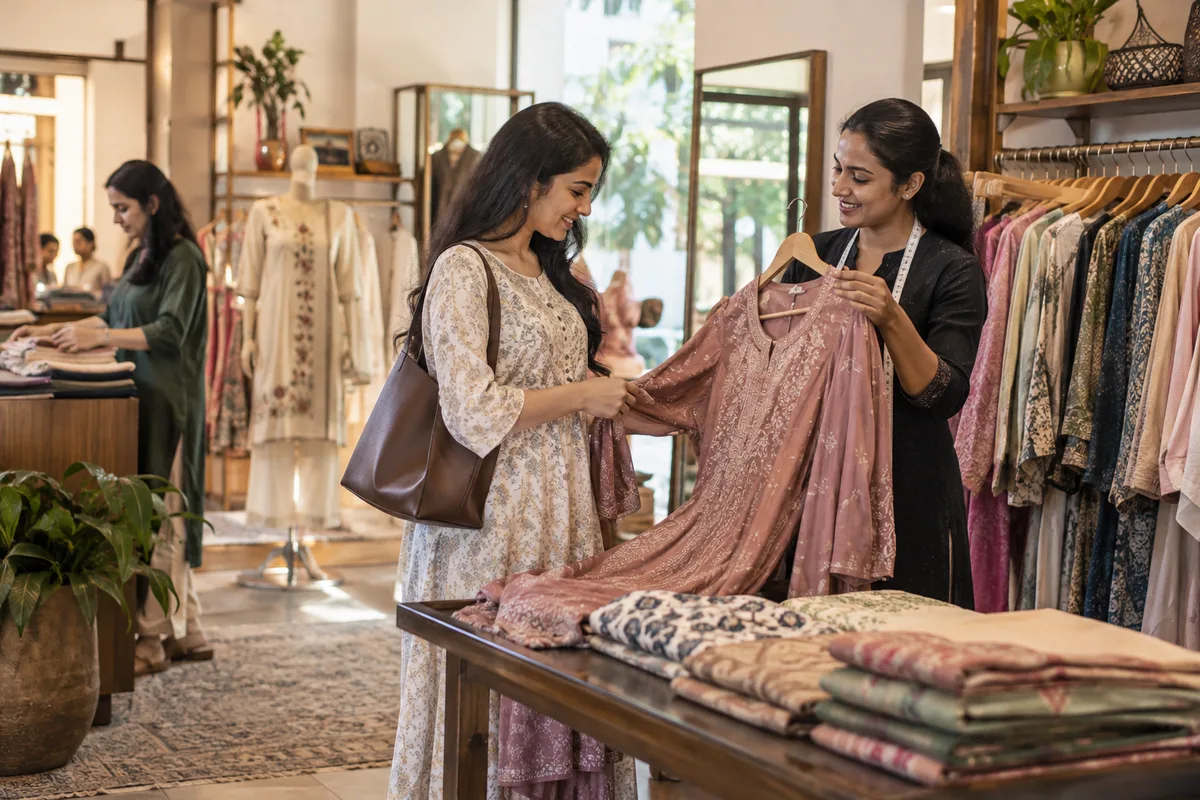
What content marketing means
Content marketing is writing articles, guides and pages that answer the questions buyers search before they are ready to enquire. This makes your business visible and trusted before the first call. GullySales plans this content from the first conversation onward, choosing topics that match real search demand rather than guesses.
Also for children's clothing stores
- Social media marketing for children's clothing stores
- Lead generation for children's clothing stores
- SEO for children's clothing stores
- Local SEO for children's clothing stores
- Buyer personas for children's clothing stores
- CRM for children's clothing stores
- Follow-up systems for children's clothing stores
- WhatsApp marketing for children's clothing stores
Sales and marketing for children's clothing stores, the overview.
Last updated 14 Nov 2026.
For children's clothing stores
Where it usually goes wrong, and what we would do.
“The first question is always the size”
Parents and relatives want to know what a six to nine month label means for their child. A plain guide with age, height and weight bands, and a note that brands differ, answers the question the counter hears all day.
“Newborn parents read before they buy”
A new parent wonders about fabric on soft skin, buttons near the neck and the number of sets to buy. A guide on these topics, written by the shop that stocks them, builds trust that a price tag cannot.
“Festivals need ideas, not only stock”
Before Diwali the question is what to dress a toddler in that stays comfortable. A short piece on fabrics for festive wear, with the sets you stock named, gives the parent a reason to read and visit.
“Writing for the grandparent is a separate job”
A relative buying a gift wants a budget, an age and a safe choice. A gift guide by age and price, in short plain sentences, serves that buyer and is easy to forward on WhatsApp.
What we do
What we deliver for children's clothing stores.
The work available for this need. We agree the deliverables and responsibilities for your engagement in writing.
A size and age guide
One page by age and height, with notes on how to measure a child and what to do between sizes.
Result: A page the counter can show or send.
A newborn fabric and safety guide
Plain notes on cotton, trims, buttons and washing, written for a new parent.
Result: A guide a first-time parent can read in one sitting.
A festive outfit guide each season
Ideas for Diwali, Raksha Bandhan, naming ceremonies and winter, linked to the stock you hold.
Result: A guide published before each occasion.
A gift guide for relatives
Choices grouped by age and budget, with the size to buy and how exchange works.
Result: A message a relative can use to buy without guessing.
A reuse plan for each piece
Each guide cut into a WhatsApp message, a post and a printed card for the counter.
Result: One piece of writing shown in four places.
How the result is measured
- Pages published
- Organic traffic
- Enquiries from content pages
Recorded as a baseline before work starts, so every later report has an honest comparison.
Posts and pieces to plan
Plan the pieces that teach a parent how to choose.
- How to choose a newborn size
- A guide to the small sizes, how much room to leave and what to buy first, written by the person who fits them.
- What a first-birthday outfit needs
- A piece on fabrics that sit well on a child who crawls, with fastenings and washing, from the shop's experience.
- Festival outfits, planned early
- A guide for parents on choosing before the rush, with the sizes that run out first.
- Buying for a grandchild you rarely see
- A page for grandparents on how to ask for the size, and what to buy when it is unknown.
- Caring for small garments
- Washing and storing guidance that follows the fabric labels the shop's stock carries.
Who it is for
This is written for these children's clothing stores.
- Newborn and baby wear shops
- Kids' casual and daily wear stores
- Party wear and festive outfit shops for children
- Ethnic wear for boys and girls
- School-age fashion stores in family neighbourhoods
- Kidswear departments inside multi-brand showrooms
- Franchise outlets of children's brands
- Gift shops selling baby sets and hampers
Before you decide
When this may not be the right fit.
- The shop has no one who can write or photograph, and a piece in a general voice would help no parent.
- The owner is not ready to give advice on fabrics, which would lead to safety claims that cannot be checked.
- The range is too small to write four pieces without repeating.
Before you decide
Agree the work. Know how to judge it.
Content marketing for children's clothing stores: use these checks to prepare, choose the scope, and review what changes.
Bring the right evidence
Bring questions from sales calls and examples of objections that delay a decision. Choose a subject expert who can check the substance, and identify evidence that can be published.
Make the scope clear
Agree the reader, buying question, format, and distribution route for each piece. Set the approval process and distinguish new research from rewriting material you already have.
Check the work in use
Ask a colleague to use the draft in a real buyer conversation. It should answer the question, support its claims, and make the next step clear without requiring a sales pitch to explain it.
Know when to change course
If the same unanswered question appears in several articles, improve the strongest page before commissioning another. More words are not a substitute for missing evidence.
These are discussion points, not a fixed package. GullySales confirms the deliverables, responsibilities, fee, and term in writing after reading your brief and speaking with you.
Before we start
What to have ready before the work starts.
The records, access and decisions this work needs from children's clothing stores. Anything missing is noted in the written scope, with who will supply it.
- A notebook of counter questions
- A notebook kept at the counter in which staff write the questions parents ask, with the age of the child. Over a few busy days it fills. Include the calls and chats, since parents ask different things by phone. Without it, we write from guesses and the guides may answer questions nobody asks.
- The brand size charts and fabric details
- The charts and the fabric information that brands give you, or your own measurements. Guides are only as accurate as these. Include the dates the charts were last revised by the brand, as sizes are sometimes changed. Without them, the size guide must say it is approximate, which weakens it.
- A list of the festivals the shop buys for
- The festivals and school dates you buy stock for, with the weeks in which parents shop. Only the owner knows them. Include a note of which weeks bring first-time buyers, since they need more explanation. Without the list, guides are written for the wrong weeks and miss the time when they are read.
- A decision on who reads the drafts
- A named person, the owner or a senior staff member, who reads each draft against the stock. The reader must also have a rough idea of the shop's return rules, because guides refer to them. Without one, drafts wait and the guides miss their season.
- A rule on safety statements
- A short rule from the owner that the shop states nothing about safety, allergy or fabric treatment unless the brand has said it in writing. Include any claim already printed on a brand tag, so we know what the shop is relying on. Without it, a well-meant line may promise more than the shop can support.
How it works
How the content marketing work runs
The work itself, in order. How an engagement starts, from your brief to a written scope, is set out on our method page.
- 1
Collect the questions parents ask at the counter
We ask the counter staff to jot down, over a short stretch, every question a parent asks that is not about price: size, fabric, washing, exchange, what to wear to a function. You collect them in a notebook. The notebook should include the questions from phone calls and from chats, which differ from those at the counter. These questions are the raw material for every guide, before we write a word.
- 2
Choose the first guides with the owner
We sort the questions into groups and choose the first guides: a size and age guide, a newborn fabric guide, a festive outfit guide and a gift guide for relatives. We also ask the owner which guide would save the staff from repeated explaining, and that guide goes first. The owner decides the order by the next season and by what the shop stocks.
- 3
Write each guide from the shop's own stock
We draft each guide from what the shop really sells and what the staff really tell parents. A fabric guide describes the fabrics on the racks, not a textbook. We write in the words the staff use at the counter, and not in a catalogue voice that a parent finds cold. The owner reads each draft against the stock and corrects what is wrong.
- 4
Check the safety wording with the maker's information
Where a guide says anything about buttons, trims, dyes or fabric safety, we use only what the brand or maker states, and mark the source. The owner removes any line the shop cannot back. Where the brand supplies no information, the line is left out and the guide says to ask the staff. We make no claim about what is safe for a child that the shop cannot support.
- 5
Design the size guide for a phone screen
We lay out the size and age guide so a parent can read it on a phone in a shop doorway: short rows, a clear measure, and a note that sizes vary by brand. We test it with the staff and with one or two parents who have not seen it before, and correct the rows that confuse them. The staff test it with a few parents and tell us where it confuses.
- 6
Reuse each piece and read the results
Each guide becomes a page, a chat message, a few posts and a printed card at the counter. We compare the chats and visits that began from each with the figures noted at the start. You decide what to update before the next season. We also keep a note of the date each guide was written, so a guide from last season is not mistaken for current stock. We promise no rise in sales.
Where this fits
Three pieces of sales work, in this order.
This work sits inside sales process design, at stage 0, foundation. The audit comes before it, and sales management keeps it running.
Step 1
Sales audit
Find where deals are being lost and what to fix first.
Start here if you cannot say where orders are lost.
Step 2 · you are here
Sales process design
One written way to sell, from first enquiry to repeat order.
Start here if every salesperson sells differently.
Step 3
Sales management
A target, a review routine and someone who owns the number.
Start here if the team has targets and no routine.
FAQ
Questions owners ask before they call.
Not here? More answers, or ask on WhatsApp.
Who should write the content?
Do we need a blog?
How do we avoid claims about child safety that we cannot back?
Who should write the content?
How long should a size guide be?
Can we write in Hindi or the local language as well?
How much does it cost?
How long is the contract?
Who will actually do the work?
What do you need from us?
More for children's clothing stores
Related work to consider.
Closest to this: content and social
Also for children's clothing stores
Or start from the overview: sales and marketing for children's clothing stores.
Your next practical step
Tell us what you are trying to grow, and we will read it before we call.
Eight short steps, mostly taps. Skip anything you would rather answer on the call.