Crockery and kitchenware stores · WhatsApp marketing
Send the catalogue, the set price and the engraving options in one chat.
WhatsApp marketing for a crockery and kitchenware store is using the app where buyers already ask about sets, stock and delivery. GullySales works on the business profile, the catalogue, the saved replies and the permission to message past buyers.
Scope, fee, reporting and term are agreed in writing after we have read your brief and spoken to you.
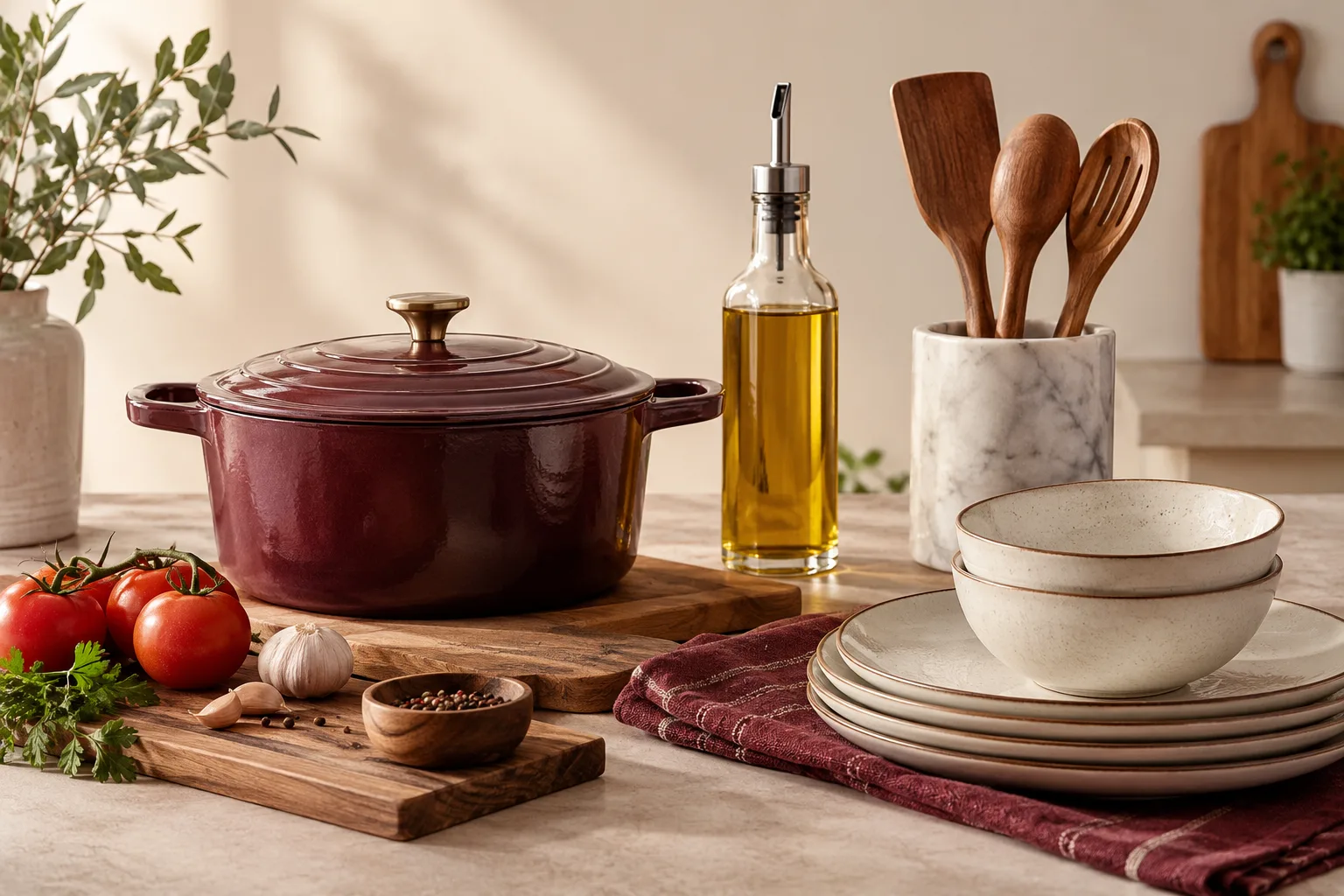
What WhatsApp marketing means
WhatsApp marketing is sending updates, offers and reminders to customers on the app most Indian buyers already check daily. GullySales sets up business WhatsApp, writes the message templates and keeps the list consented and current.
Also for crockery and kitchenware stores
Sales and marketing for crockery and kitchenware stores, the overview.
Last updated 14 Nov 2026.
For crockery and kitchenware stores
Where it usually goes wrong, and what we would do.
“The buyer asks whether a piece is in stock”
A message with a photograph and the question is how a buyer reaches a shop. A prompt answer with a clear picture and price turns the chat into a visit or a delivery order.
“A catalogue stands in for the showroom”
Wedding buyers and caterers cannot always come in. A catalogue of sets, steel ranges and gift hampers lets them choose and ask for a quote from home.
“Festival lists can be shared one by one”
A buyer who asks about a trousseau can be sent a suggested list and asked for edits. This is more welcome than a broadcast to an unknown group.
“Order updates reduce phone calls”
A buyer waiting for engraved items rings the shop to ask. A message with the status, the pickup time or the delivery slot answers the question before it is asked.
What we do
What we deliver for crockery and kitchenware stores.
The work available for this need. We agree the deliverables and responsibilities for your engagement in writing.
A business profile with hours and address
The WhatsApp Business profile filled in with hours, location and a catalogue link.
Result: Buyers recognise the shop and know when it is open.
A catalogue by group
Sets, steel, copper, cookware, gifts and bulk items with photographs and names.
Result: Buyers can browse from the chat.
Saved replies for stock and price questions
Written replies for stock, set contents, engraving and delivery enquiries.
Result: Staff answer the common questions the same way.
Order status messages
Templates for order confirmed, engraving in progress and ready for pickup.
Result: Buyers are told without ringing.
A consent list for festive messages
Records of who agreed to hear about festivals and offers.
Result: You contact only those who agreed.
Shared access for counter staff
The business account opened so two or three staff can answer one number.
Result: Chats are not lost when someone is away.
How the result is measured
- Messages delivered
- Reply rate
- Enquiries from WhatsApp
Recorded as a baseline before work starts, so every later report has an honest comparison.
What to capture or send
The shop's WhatsApp number sends a few messages that save a phone call.
- Is this piece in stock
- A saved reply with a photograph, the price and the counter number, sent after the staff check the shelf, never from a guess.
- Set catalogue by group
- A catalogue of sets with photographs and prices, grouped so the buyer reaches steel, copper or gifting in one tap.
- Engraving options
- A message listing what can be engraved, how many characters fit and how long the buyer should allow for the work after confirming.
- Order ready
- A message naming the order and the counter, sent when the packing is finished, with the shop's closing time.
- Festival list
- A list of gift sets sent only to contacts who agreed to receive it, with a plain line on how to stop the messages.
Who it is for
This is written for these crockery and kitchenware stores.
- Steel and stainless vessel shops in old market streets
- Crockery and dinner-set showrooms
- Copper, brass and bell-metal vessel dealers
- Non-stick, pressure cooker and appliance cookware stores
- Glassware, cutlery and bar-ware shops
- Gifting and return-gift specialists
- Bulk suppliers to caterers, canteens and restaurants
- Plastic, tiffin and storage-container stores
- Wedding trousseau and housewarming vessel sellers
- Wholesale kitchenware dealers supplying smaller shops
Before you decide
When this may not be the right fit.
- Only the owner's personal phone is used, so staff cannot answer a stock question while the owner is away.
- You want to broadcast the same offer to every number in the phone book, which risks the account and annoys the buyer.
Before you decide
Agree the work. Know how to judge it.
WhatsApp marketing for kitchenware stores: use these checks to prepare, choose the scope, and review what changes.
Bring the right evidence
Describe how the contact list was collected, what people asked to receive, and which messages are currently sent. Include opt-outs and replies when reviewing campaign performance.
Make the scope clear
Agree the audience, message purpose, sending system, and response owner. Separate promotional communication from order or service updates, and check current platform requirements before launch.
Check the work in use
Test the message with a small appropriate audience before wider use. Check links, reply handling, opt-outs, and whether the response leads to a relevant conversation or order.
Know when to change course
Do not use an unexplained contact list as a shortcut to demand. If recipients do not expect the message, resolve the permission and relevance questions before sending.
These are discussion points, not a fixed package. GullySales confirms the deliverables, responsibilities, fee, and term in writing after reading your brief and speaking with you.
Before we start
What to have ready before the work starts.
The records, access and decisions this work needs from crockery and kitchenware stores. Anything missing is noted in the written scope, with who will supply it.
- A shop-owned number for the business
- A number that belongs to the shop, not a staff member's personal phone, ideally the one printed on the signboard and the bill. If staff leave, the chats stay with the shop. Where only personal numbers exist, getting a shop number is the first job, before any catalogue or saved reply is built.
- A decision on who answers the chat
- Name the person or rota that answers during opening hours and what they can promise, including who covers lunch and festival rush hours. Without this, chats are answered late or by whoever is free, and a buyer waiting for a stock answer visits another shop.
- Product photographs for the catalogue
- Clear photographs by product group, one or two per item, in daylight. Supplier images are acceptable if the brand permits it. Without them the catalogue is a list of names, which buyers ignore, and the chat goes back to staff sending single photographs from their gallery.
- Notes on which numbers agreed to offers
- Tell us how you collected numbers: a bill book, a form, a chat. We need to know which ones agreed to festival offers and which only gave a number for delivery. If there is no record, we start the list fresh and send nothing to old contacts until they say yes.
- Rules for what staff may promise
- Write what a staff member may confirm in chat: stock, delivery area, engraving. Anything else goes to the owner. Without limits staff make promises the shop cannot keep, and a buyer holding a screenshot of that promise will bring it to the counter on delivery day.
How it works
How the whatsapp marketing work runs
The work itself, in order. How an engagement starts, from your brief to a written scope, is set out on our method page.
- 1
Read a week of counter chats together
We read the chats your staff already hold with buyers, with the staff present, and sort them by question: stock, price, delivery, engraving, order status. You tell us which chats led to a sale. This shows how much of the shop's selling already happens on the app and where replies are slow.
- 2
Decide the app or the paid interface
We explain the difference between the ordinary business app and the paid interface, and you choose based on how many staff reply, how many chats arrive and whether you want order updates sent automatically. A shop with three people at the counter rarely needs the paid route. The decision is written down with the reasons, so a new partner or manager can see why it was made.
- 3
Build the profile and the catalogue
We set up the business profile with the shop's name, address, hours and map, then add the catalogue by product group with photographs your staff approve. You check each item is in stock and described the way the shop would say it. Prices are added only if you decide to show them.
- 4
Write saved replies with the counter staff
Staff and we write short replies to the questions that repeat: is it in stock, can you deliver, can it be engraved. You change the wording until it sounds like the shop. Each reply ends with a clear next step, either a visit or a confirmation.
- 5
Assemble a consent list for festival messages
We go through your contacts with you and record who has agreed to hear from the shop and how, marking caterers apart from households because their messages differ. Anyone who has not agreed is left off. We write the first festival message and an easy way to stop receiving them, and you approve both before anything is sent.
- 6
Compare chats and orders with the baseline
Against the count of chats and the sales traced to them before the work began, you look at replies answered, chats that became visits and orders placed. Together we decide which replies to refine, which broadcasts to keep and whether the chat needs another person on it.
Where this fits
Three pieces of sales work, in this order.
This work sits inside sales process design, at stage 0, foundation. The audit comes before it, and sales management keeps it running.
Step 1
Sales audit
Find where deals are being lost and what to fix first.
Start here if you cannot say where orders are lost.
Step 2 · you are here
Sales process design
One written way to sell, from first enquiry to repeat order.
Start here if every salesperson sells differently.
Step 3
Sales management
A target, a review routine and someone who owns the number.
Start here if the team has targets and no routine.
FAQ
Questions owners ask before they call.
Not here? More answers, or ask on WhatsApp.
Can we send offers to all our customers?
Should we sell through WhatsApp?
How do we avoid getting blocked?
How do we answer a stock question when the shelf is on another floor?
Can we message everyone in our phone contacts about an offer?
How do we answer a stock question when the item is in the godown?
How much does it cost?
How soon will we see results?
Who will actually do the work?
What do you need from us?
More for crockery and kitchenware stores
Related work to consider.
Or start from the overview: sales and marketing for crockery and kitchenware stores.
Your next practical step
Tell us what you are trying to grow, and we will read it before we call.
Eight short steps, mostly taps. Skip anything you would rather answer on the call.