Electronic components distributors · Lead generation
A part number sent on WhatsApp at night is a lead, so write it down.
Lead generation for a components distributor is the work of receiving each BOM, RFQ and part-number request, sorting the real buyers from the price checkers, and making sure a reply goes out. GullySales puts every source into one log, sets the questions that qualify a request, and follows up the quotes that went quiet.
Scope, fee, reporting and term are agreed in writing after we have read your brief and spoken to you.
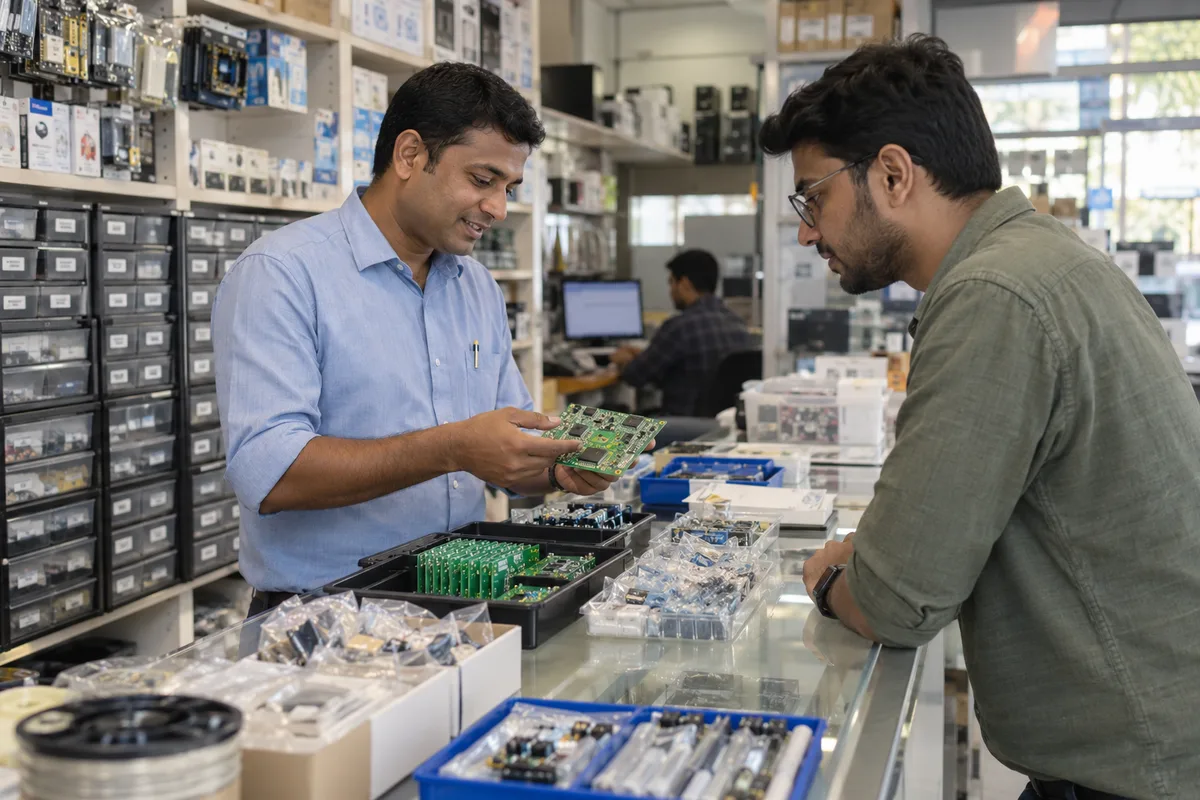
What lead generation means
Lead generation is the combined work of every channel that brings in a new enquiry, whether from search, adverts, referrals or a stall at an exhibition. GullySales runs these channels together and reports the number of enquiries each one produced, not the activity behind it.
Also for electronic components distributors
- CRM for electronic components distributors
- Follow-up systems for electronic components distributors
- SEO for electronic components distributors
- Email marketing for electronic components distributors
- WhatsApp marketing for electronic components distributors
- Sales process for electronic components distributors
- Website development for electronic components distributors
- Sales management for electronic components distributors
Sales and marketing for electronic components distributors, the overview.
Last updated 6 Oct 2026.
For electronic components distributors
Where it usually goes wrong, and what we would do.
“Some RFQs only exist to check a price someone already has”
A buyer told to collect three quotes will use yours to pressure the supplier they have already chosen. The tell is no build date and no quantity per board.
“One unstocked line stops the whole BOM”
A sheet with a single part you cannot source sits unanswered while the buyer gives the rest to someone who replied on every line.
“Directory leads arrive with a part number and nothing else”
No company name, no site, no build date. Without a standard first question you either quote blind or let the enquiry sit.
What we do
What we deliver for electronic components distributors.
Every deliverable, what it covers for you, and the result it is there to produce. Nothing here is an extra.
One log for BOMs, RFQs, calls and photos
Email, WhatsApp, directory, tender and counter requests in a single list with an owner, the date received and what was sent back.
Result: An enquiry stops depending on who picked up the phone.
Qualifying questions for each kind of request
Build date and quantity per board for a BOM, the marking and the equipment for a repair part, the project and the number of pieces for a sample.
Result: Quotes go out for the right part the first time.
A first reply that states stock, source and date
A short answer sent before the full quote is priced: what you hold, what you can source and from where, and the date the rest can arrive.
Result: The buyer stops phoning the next counter.
Sample buyers kept apart from production buyers
A flag on every startup or student request, with a note of the product being built, so a prototype order can be followed into production.
Result: The founder who bought ten pieces is still yours when they buy a thousand.
Source tags on every enquiry
A record of whether each request came from search, a directory, a representative, an exhibition or the counter.
Result: You learn which source brings buyers who order.
Reasons recorded on every lost BOM line
Stock, price, date, brand required or no reply, noted against the part family, not only against the customer.
Result: You see which lines you lose to stock and which to price.
How the result is measured
- Enquiries generated
- Cost per enquiry
- Enquiries by source
Recorded as a baseline before work starts, so every later report has an honest comparison.
Where enquiries come from
The ways a components enquiry reaches you, and what to write down at each.
- BOM emailed as a spreadsheet
- Log the company, the buyer's role, the number of lines and the build date. Mark each line in stock, can source or cannot supply, and send the answer on the whole sheet together.
- RFQ from IndiaMART or another directory
- Log the platform, part number and quantity. Ask for the company name and build date in your first reply, since a request without them is often a price check.
- WhatsApp photo of a chip marking or a board
- Ask for the equipment and the marking before quoting. Save the photograph against the enquiry. A wrongly identified part is a return, not a sale.
- Counter visit with a handwritten list
- Write down the company, the contact number and each part asked for, including those you did not have. The parts you did not stock are the next thing to buy in.
- Startup or student asking for a few pieces
- Note the project, the quantity and whether more will be needed after the prototype. Mark it as a sample buyer so someone follows it up when the design is final.
- Tender or GeM bid from a lab or institution
- Log the bid number, closing date and the brand or specification asked for. Check the clause on authorised source before spending time on the quote.
Who it is for
This is written for these electronic components distributors.
- Authorised distributors for one or two brand lines
- Multi-brand stockists of ICs, passives and connectors
- Independent and excess-stock traders
- Development board, module and sensor suppliers for startups and colleges
- BOM sourcing and kitting firms for contract manufacturers
- Repair spares and service parts counters
- Relay, transformer, battery and power component suppliers
- Importers who source against a customer's RFQ
Not for
It is not the right fit if.
- The counter replies to RFQs after the buyer has already ordered, so more enquiries would only add more lost ones.
- You cannot quote partial BOMs, and every enquiry with one line you do not hold would be dropped.
- You plan to pay a directory for leads without a way to tell a real BOM from a price check.
How it works
How the lead generation work runs
The work itself, in order. How an engagement starts, from your brief to a written scope, is set out on our method page.
- 1
Understand your capacity
We ask how many enquiries your team can answer well, who answers after hours, and what a good enquiry looks like. Without this, the system fills a funnel nobody is watching.
- 2
Audit current sources
We read your call log, WhatsApp chats, enquiry sheet and platform dashboards. The baseline is recorded: enquiries by source, reply time, conversion and cost per order.
- 3
Strategise the channel mix
Search and maps are chosen for people ready to buy, ads for people who are not yet looking, and content and referrals for trust.
- 4
Implement capture and follow-up
Pages, forms, tags, the lead record and the first-reply message are built and tested end to end. We submit test enquiries ourselves before any media money is spent.
- 5
Measure and optimise
Enquiries are traced to source and judged by what became orders, not by volume alone. Channels that fill the sheet with poor enquiries are cut back. How often you are reported to is agreed in writing.
Where this fits
Three pieces of sales work, in this order.
This work sits inside sales process design, at stage 1, prospecting and lead generation. The audit comes before it, and sales management keeps it running.
Step 1
Sales audit
Find where deals are being lost and what to fix first.
Start here if you cannot say where orders are lost.
Step 2 · you are here
Sales process design
One written way to sell, from first enquiry to repeat order.
Start here if every salesperson sells differently.
Step 3
Sales management
A target, a review routine and someone who owns the number.
Start here if the team has targets and no routine.
FAQ
Questions owners ask before they call.
Not here? More answers, or ask on WhatsApp.
How do we tell which RFQs are worth answering?
Should we pay for leads from a directory?
What do we do when the same buyer sends one BOM to many counters?
Do enquiries from the counter count as leads?
How much does it cost?
How long is the contract?
How soon will we see results?
Who will actually do the work?
What do you need from us?
What if we are not happy with the work?
From the blog
Further reading for electronic components distributors.
 6 min read · 6 Oct 2026How trade buyers pick a dealer when the brands matchWhen every counter in town carries the same brands, trade buyers choose on stock, delivery, paperwork and returns. This post sets out how contractors, electricians, plumbers and purchase managers compare dealers.
 5 min read · 6 Oct 2026How electronic components distributors answer a BOM enquiryAnswer a BOM in the buyer's own line order, saying for each part whether you hold it, how many, from which source and by what date, and send the firm lines before the open ones.
More for electronic components distributors
Everything else we would do for you.
Closest to this: leads and follow-up
Also for electronic components distributors
- SEO for electronic components distributors
- Email marketing for electronic components distributors
- WhatsApp marketing for electronic components distributors
- Sales process for electronic components distributors
- Website development for electronic components distributors
- Sales management for electronic components distributors
Or start from the overview: sales and marketing for electronic components distributors.
Your next practical step
Tell us what you are trying to grow, and we will read it before we call.
Eight short steps, mostly taps. Skip anything you would rather answer on the call.