How people choose in this industry
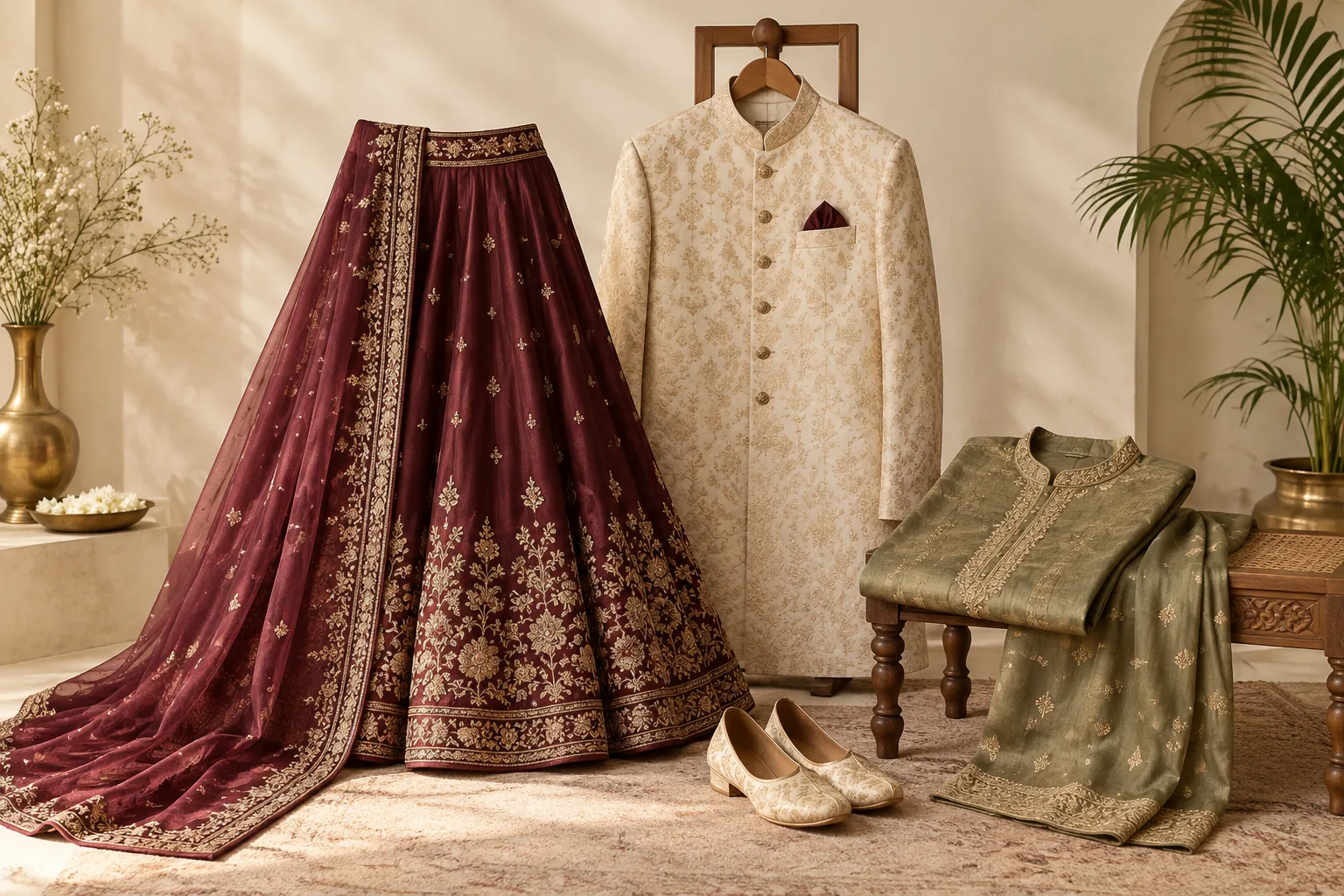
Buyers start on Instagram and Pinterest, looking for a colour or a cut, then visit stores to see the fabric and try the fit. They notice the quality of the embroidery, whether the store has outfits for the whole family, and how long alterations take. A store with only a mirror and no trial room loses buyers who want to try the fit.
The occasion fixes the budget. For a wedding, families spend more and shop in groups; for Navratri, Eid or Pongal, one outfit is bought quickly. Families compare two stores on a Saturday and weigh the size on the rack against a firm date for alterations.
Men's ethnic wear is bought differently. A groom or a groomsman comes in with the mother, picks a sherwani or a kurta set and wants the alteration done fast. Matching a group, such as ten cousins in the same colour, needs one store to stock the lot.
The decision before implementation
Agree the task to demonstrate and who will review the work before choosing the training or content scope.
Existing industry priorities to review
- A function-date log for every enquiry
- An alteration booking and delivery tracker
- A WhatsApp catalogue by occasion
- Family and group order handling
- A Google profile that says kurta sets, lehengas and sherwanis
These describe the industry's wider priorities. The written scope identifies which this service will address.