Footwear stores · Social media
Show the pair on a foot, in the shop, with a size and a way to ask.
Social media marketing for a footwear store is the steady showing of real pairs, new arrivals and trial-bench moments to people who live near the shop. GullySales works on what is posted, what each post asks the viewer to do, and who sees it.
Scope, fee, reporting and term are agreed in writing after we have read your brief and spoken to you.
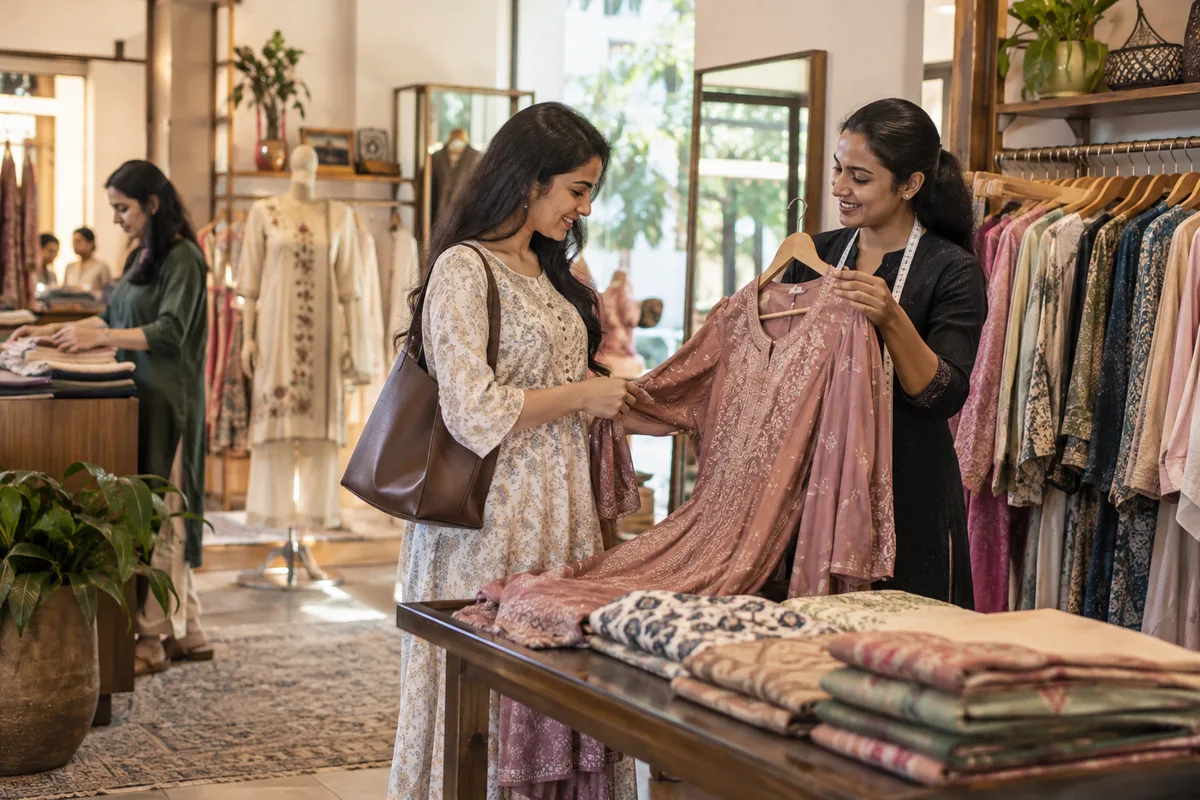
What social media means
Social media is the ongoing posting your business does on platforms such as Instagram, Facebook and LinkedIn to stay visible to customers and prospects between purchases. GullySales plans a posting calendar, writes captions and designs the images so the page looks active and answers what a visitor would ask.
Last updated 18 Oct 2026.
For footwear stores
Where it usually goes wrong, and what we would do.
“A catalogue post gets scrolled past”
A flat photograph of a pair on a white background looks like every online listing. A pair on a foot, in a hand, on the shelf beside the price tag looks like a shop that is open.
“The viewer wants the size before the style”
A post that shows a pair but hides which sizes are in stock sends the viewer to a message thread. Naming the sizes that are on the shelf today saves a question and fills the trial bench.
“Local reach matters more than follower counts”
A thousand followers across the country buy nothing from a shop in one town. A smaller group of people within a short ride of the door matters more than a large one far away.
“Staff are the best presenters”
A salesperson who knows the fit of each pair can speak for thirty seconds into a phone. That clip is more trusted than a polished advertisement because it shows the person the buyer will meet.
What we do
What we deliver for footwear stores.
The work available for this need. We agree the deliverables and responsibilities for your engagement in writing.
A plan of post types
Four repeatable post types, such as new arrival, size in stock, fit advice and festival pairs, with a note on what each one asks the viewer to do.
Result: A fixed set of posts so the feed is never a blank page.
Photograph and clip guidance for staff
A short sheet on how to shoot a pair on a foot, a shelf and a trial, using the phone already in the shop.
Result: Staff can make a usable post without an outside photographer.
Posts for school, monsoon and wedding seasons
Season posts drafted before the buying starts, showing the pairs and the sizes held.
Result: The season feed is ready before the rush.
Local audience set-up for paid posts
Paid reach aimed at the streets and schools around the shop, with a message button.
Result: Paid posts reach people who can visit, not the whole country.
A reply routine for comments and messages
Saved answers on price, size and stock, with a rule for when to move to WhatsApp.
Result: Comments are answered in the same words by every staff member.
How the result is measured
- Posts published
- Engagement rate
- Enquiries from social profiles
Recorded as a baseline before work starts, so every later report has an honest comparison.
Posts and pieces to plan
The shoe posts a footwear store can plan and what each one needs.
- School shoe arrivals
- A short clip of the shelf by class with the sizes held. Needs the stock counted that morning so the post is true when it goes out.
- Pair on a foot at the bench
- A photograph of the shoe being tried, with the size and the width noted. Needs the customer's consent if the face is in the frame.
- Wedding sandal match
- A carousel of bridal pairs against swatches of cloth. Needs permission from the boutique if their outfit appears.
- Monsoon-ready pairs
- A clip of slip-resistant soles and quick-dry sandals on the shelf. Needs honest wording on what the shoe is made of.
- Back in your size
- A post saying a sold-out size has returned, with the style named. Needs the waiting list so the people who asked hear first.
- A staff member explains fit
- A short clip on how a shoe should sit at the heel and toe. Needs a staff member who is comfortable on camera.
Who it is for
This is written for these footwear stores.
- Multi-brand family footwear stores
- Brand showrooms and franchise outlets
- Women's footwear and sandal boutiques
- Men's formal and casual shoe stores
- Kids' and school footwear shops
- Sports and sneaker stores
- Bridal, ethnic and juttis footwear shops
- Safety shoe and workwear footwear dealers
Not for
It is not the right fit if.
- No one in the shop can reply to comments and messages within the working day, so posts would collect questions that stay unanswered
- You hold few sizes of the styles you would feature, so viewers would ask for pairs you cannot show
- The shop has no phone camera routine and the shelves are not tidy enough to photograph yet
Before you decide
Agree the work. Know how to judge it.
Social media marketing for footwear stores: use these checks to prepare, choose the scope, and review what changes.
Bring the right evidence
Review the posts that produced useful conversations, not only the ones with the most views. Gather buyer questions and decide which team member can contribute credible material.
Make the scope clear
Choose the audience and channel before setting a posting volume. Agree who supplies material, approves posts, and handles messages, including complaints or questions the agency cannot answer.
Check the work in use
Follow a post through to the profile, website, and response. A useful report explains the quality of conversations and enquiries, alongside reach and engagement.
Know when to change course
If publishing takes time away from unanswered buyer messages, fix the response routine first. Do not expand to another channel without a clear reason for being there.
These are discussion points, not a fixed package. GullySales confirms the deliverables, responsibilities, fee, and term in writing after reading your brief and speaking with you.
How it works
How the social media work runs
The work itself, in order. How an engagement starts, from your brief to a written scope, is set out on our method page.
- 1
Platform and access agreement
We confirm the audience and platforms covered, then check account ownership. You retain control of the pages and grant the access needed for the agreed work.
- 2
Content input handover
Your team supplies approved product information and usable images or footage. We review existing posts and agree who will answer factual questions during drafting.
- 3
Calendar approval
You review the proposed themes and response routes. Missing information is identified before posts enter production, rather than holding up a finished calendar.
- 4
Draft approval and publication
The named approver checks captions and creative files before scheduling. We also agree which replies can be sent directly and which need your team's decision.
- 5
Sales handover and content decisions
Buying questions go to the agreed sales contact with the conversation attached. Reported enquiries and sales feedback guide changes to the next calendar.
Where this fits
Three pieces of sales work, in this order.
This work sits inside sales process design, at stage 0, foundation. The audit comes before it, and sales management keeps it running.
Step 1
Sales audit
Find where deals are being lost and what to fix first.
Start here if you cannot say where orders are lost.
Step 2 · you are here
Sales process design
One written way to sell, from first enquiry to repeat order.
Start here if every salesperson sells differently.
Step 3
Sales management
A target, a review routine and someone who owns the number.
Start here if the team has targets and no routine.
FAQ
Questions owners ask before they call.
Not here? More answers, or ask on WhatsApp.
Which platform should a shoe shop use first?
Do we need to post every day?
Can we use brand photographs?
What can a footwear store post that a brand's page cannot?
How much does it cost?
How long is the contract?
How soon will we see results?
Who will actually do the work?
What do you need from us?
What if we are not happy with the work?
More for footwear stores
Related work to consider.
Closest to this: content and social
Also for footwear stores
Or start from the overview: sales and marketing for footwear stores.
Your next practical step
Tell us what you are trying to grow, and we will read it before we call.
Eight short steps, mostly taps. Skip anything you would rather answer on the call.