Kitchen appliance stores · Lead generation
Reach the household while the kitchen drawing is still on the carpenter's table.
Lead generation for a kitchen appliance store means finding households and designers at the moment a kitchen is being planned, because a built-in chimney or hob is bought once per kitchen. GullySales works on the sources that bring those enquiries and on recording each one so none is lost.
Scope, fee, reporting and term are agreed in writing after we have read your brief and spoken to you.
What lead generation means
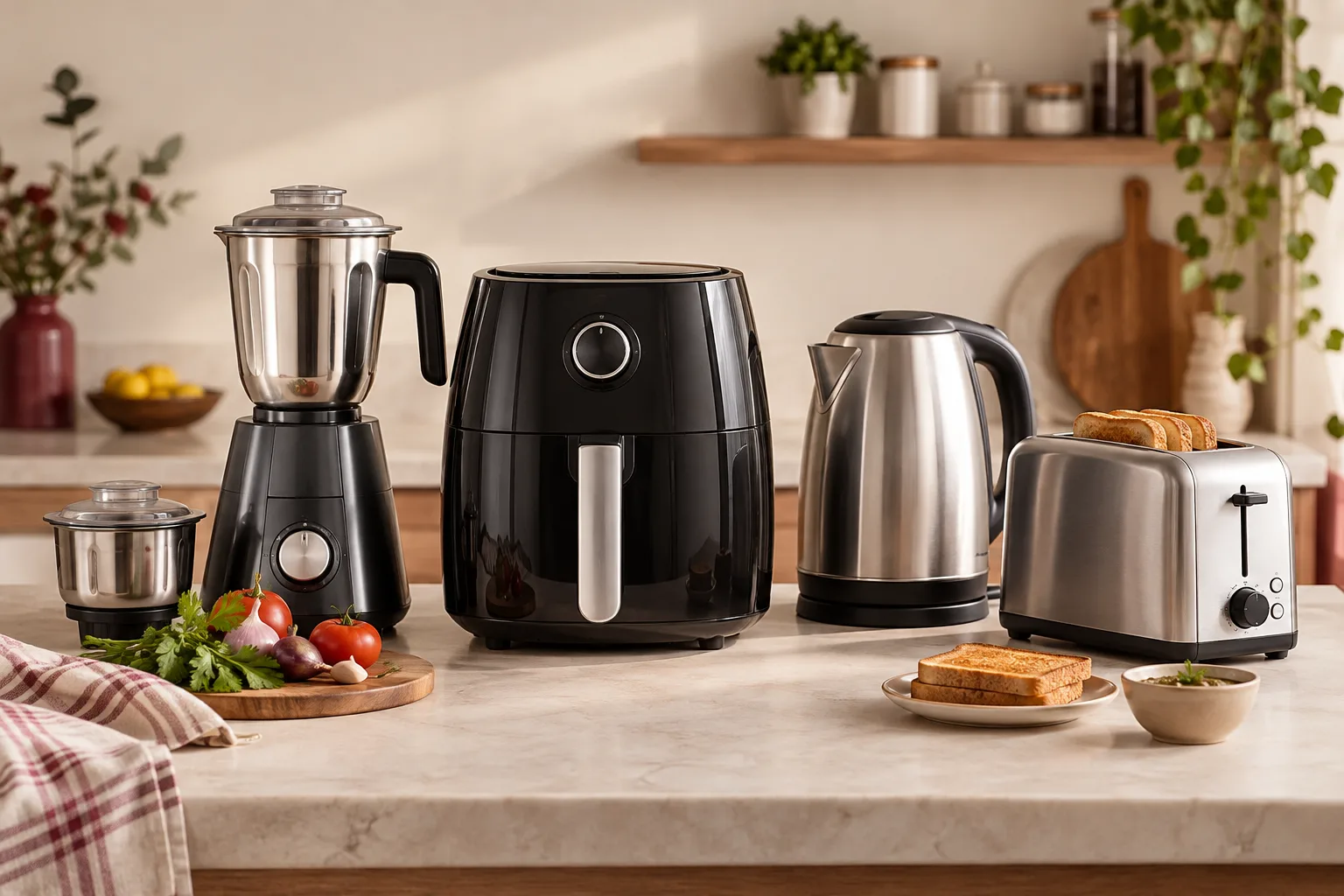
Lead generation is the combined work of every channel that brings in a new enquiry, whether from search, adverts, referrals or a stall at an exhibition. GullySales runs these channels together and reports the number of enquiries each one produced, not the activity behind it.
Also for kitchen appliance stores
- CRM for kitchen appliance stores
- Follow-up systems for kitchen appliance stores
- SEO for kitchen appliance stores
- Local SEO for kitchen appliance stores
- Social media marketing for kitchen appliance stores
- Content marketing for kitchen appliance stores
- Buyer personas for kitchen appliance stores
- WhatsApp marketing for kitchen appliance stores
Sales and marketing for kitchen appliance stores, the overview.
Plan the next part of the work
Last updated 21 Nov 2026.
For kitchen appliance stores
Where it usually goes wrong, and what we would do.
“The buying window is the kitchen job”
A built-in appliance is chosen while the cabinets are being made, and the window closes when the carpenter fixes the cut-outs. An enquiry that arrives after that point is for a replacement. Lead generation here is about being named before the drawing is final.
“One designer is several leads at once”
An interior designer or modular kitchen maker hands the same size list to several households each season. Winning the designer is worth more than winning a single walk-in, yet most shops record the household and forget who sent the drawing.
“The Instagram photo is a lead with a question”
A visitor holding a picture of a chimney from a reel is asking whether that model suits their hob and wall. A shop that answers the fit question on the spot turns a photo into a quotation, while one that only quotes a price loses to the next shop.
“Service customers are the quiet source”
Chimney cleaning and purifier filter changes bring households back through the door. A dishwasher or oven enquiry later starts with the shop whose number is already in the phone, so the service desk is part of lead generation.
What we do
What we deliver for kitchen appliance stores.
The work available for this need. We agree the deliverables and responsibilities for your engagement in writing.
A lead sheet by source
One list recording whether each enquiry came from a designer, a Google search, a walk-in, an Instagram message or a service visit, with the household name and the kitchen stage.
Result: You can see which source produced each quotation.
A designer introduction kit
A short pack of cut-out sizes, installation notes and a sample quotation, written for a designer to check against a drawing on site.
Result: A folder a designer can open without phoning the shop.
Enquiry pages by appliance
Pages for chimneys, hobs, built-in ovens and dishwashers that answer fit questions and end in a WhatsApp or call button.
Result: Each page ends with a way to send a kitchen drawing.
A drawing-first WhatsApp reply
A set reply asking for the cabinet drawing or the cut-out sizes before quoting, so the first answer is a recommendation and not a price list.
Result: Staff reply the same way to every enquiry.
A builder and show-flat list
Developers and sales offices near you who hand over empty kitchens, with a package list matched to their cabinet sizes.
Result: A named list of offices with a contact for each.
How the result is measured
- Relevant enquiries by source
- Duplicate and unsuitable enquiries
- Time to the first response
- Accepted enquiries reaching an agreed next step
Recorded as a baseline before work starts, so every later report has an honest comparison.
What to capture or send
Record these on every kitchen enquiry, and send this back.
- Stage of the kitchen job
- Drawing stage, carpenter stage or already fitted. A household at the drawing stage can still change the cut-out, so the reply should arrive before the carpenter marks it.
- Designer or contractor name
- Note who drew the kitchen. The same designer will send more households, so the name belongs on the record beside the household's.
- Appliance list with cut-out sizes
- Chimney width, hob size, built-in oven slot. Ask for the sizes in the form so the quotation fits the opening instead of being redone.
- Photo of the reference chimney or hob
- Enquiries start from a picture saved from Instagram. Keep the photo with the record and answer with the nearest model you actually stock.
- Water source for purifier enquiries
- Borewell, municipal or tanker supply decides which purifier is right, so capture it before suggesting a model.
- Display kitchen visit invitation
- Send the showroom address with the appliances running in the demo kitchen. Log whether the household came, so the follow-up call has something to refer to.
Who it is for
This is written for these kitchen appliance stores.
- Built-in chimney, hob and oven specialists
- Multi-brand kitchen appliance showrooms
- Modular kitchen studios that also supply appliances
- Water purifier and RO dealers with service teams
- Mixer-grinder, cookware and small appliance stores
- Dishwasher and microwave dealers
- Commercial kitchen equipment suppliers for restaurants and canteens
- Appliance stores supplying builders' show flats
Before you decide
When this may not be the right fit.
- You have no one to answer a drawing sent on WhatsApp the same day, so the enquiry would cool before a quotation goes back.
- Your display kitchen has dead demo units, so a visit invitation would send households to a showroom that cannot show anything.
Before you decide
Agree the work. Know how to judge it.
Lead generation for kitchen appliance stores: use these checks to prepare, choose the scope, and review what changes.
Bring the right evidence
Define the organisations or buyers you can serve and the reasons they would consider a conversation. Bring examples of accepted and rejected prospects so the selection rule is visible.
Make the scope clear
Agree the research sources, contact approach, qualification rules, and handover. Clarify which meetings count as accepted and what happens to replies that are not ready to buy.
Check the work in use
Review why a prospect was selected and what was learned from the response. Count held, relevant conversations separately from contacts found, messages sent, or meetings booked.
Know when to change course
If the same objection appears repeatedly, adjust the offer or buyer group before increasing outreach. Respect a request to stop contact and keep the exclusion in the record.
These are discussion points, not a fixed package. GullySales confirms the deliverables, responsibilities, fee, and term in writing after reading your brief and speaking with you.
Before we start
What to have ready before the work starts.
The records, access and decisions this work needs from kitchen appliance stores. Anything missing is noted in the written scope, with who will supply it.
- Two seasons of chimney and hob bills
- The bills show where buyers came from and which appliances sell together, so the lead sheet starts from facts. A photocopy, a billing export or a clear photograph of each page is enough, and a few missing bills do no harm. Without them we begin the sheet from today, and the comparison at the end rests on a shorter record.
- Names of designers and their size lists
- We need the designers and kitchen firms who have sent drawings, with the file or photo they sent. A phone contact list marked by you is acceptable. If you have none, the designer introduction kit starts with the first designer who calls, and the sheet shows less about who actually brings paying work.
- A decision on who answers the drawing
- One person in the shop must be named to open every drawing enquiry and reply with the checks you agreed. If the answer is whoever is free, replies will differ with the shift and the sheet will show gaps. We can suggest a name, but only you can say who has the time and the knowledge of fitting.
- Owner access to the Google listing and number
- We need to be added as a manager on the Google listing and to see the WhatsApp Business number that customers message. Both are set up under your name, and you can remove us at any time. Without this access we can advise on the routes but cannot test them, and the first real enquiry becomes the test.
How it works
How the lead generation work runs
The work itself, in order. How an engagement starts, from your brief to a written scope, is set out on our method page.
- 1
Sort last season's bills by how they arrived
We sit with the billing clerk and the manager and take a stack of past invoices for chimneys, hobs and ovens. For each one you tell us whether the buyer walked in, came through a designer, was a referral or phoned after a service visit. We write that against the bill. When the step is over you have a first honest map of where your kitchen enquiries have really come from, even if some bills stay unmarked.
- 2
Meet the designers who send size lists
We list the interior designers and modular kitchen firms who have ever sent you a drawing, and you tell us which of them converted and which only asked for prices. We then agree who in the shop speaks to which designer. Nothing is sent yet. What exists afterwards is a short list of designers worth a proper introduction and a note of what each one asks for first.
- 3
Agree what a drawing enquiry must contain
You and your senior salesperson decide which details you need before quoting a built-in appliance: the cut-out sizes, the kitchen stage, the chimney height and the brands the designer has in mind. We turn that into the questions on the enquiry form and in the first WhatsApp reply. You decide which questions a household may skip and which are essential before anyone opens a catalogue.
- 4
Send one test enquiry through every door
We submit a sample drawing through the website form, the Google listing message button and the WhatsApp number, and your staff handle each as a real one. We watch who sees it first, who replies and where it is written down. If a message lands on a phone that is switched off or a number nobody checks, we fix the route before any real household uses it.
- 5
Read the lead sheet against the old bills
Once the sources are live, we open the lead sheet beside the baseline map from the first step. You see which sources brought drawings, which brought only price questions and which brought showroom visits that turned into bills. Together we decide what to push further and what to drop. We compare against what was recorded before the work began, never against a target we set.
Where this fits
Three pieces of sales work, in this order.
This work sits inside sales process design, at stage 1, prospecting and lead generation. The audit comes before it, and sales management keeps it running.
Step 1
Sales audit
Find where deals are being lost and what to fix first.
Start here if you cannot say where orders are lost.
Step 2 · you are here
Sales process design
One written way to sell, from first enquiry to repeat order.
Start here if every salesperson sells differently.
Step 3
Sales management
A target, a review routine and someone who owns the number.
Start here if the team has targets and no routine.
FAQ
Questions owners ask before they call.
Not here? More answers, or ask on WhatsApp.
Should we pay for ads or build designer relationships first?
What tells a kitchen appliance showroom that an enquirer is ready to buy?
A designer sends the size list but never confirms an order. What do we do?
Should we chase households building a new house or those replacing a chimney?
Who answers an enquiry that arrives after the showroom closes?
What happens to the leads we already have in our phones?
How much does it cost?
How long is the contract?
How soon will we see results?
Who will actually do the work?
More for kitchen appliance stores
Related work to consider.
Closest to this: leads and follow-up
Also for kitchen appliance stores
Or start from the overview: sales and marketing for kitchen appliance stores.
Your next practical step
Tell us what you are trying to grow, and we will read it before we call.
Eight short steps, mostly taps. Skip anything you would rather answer on the call.