Meat shops · Buyer persona
Each buyer of meat has a different reason for choosing a shop.
A buyer persona for a meat shop is a written picture of one type of customer, covering when they buy, what they ask for and what makes them change shops. GullySales works from your counter, your order sheet and your own conversations to draw these pictures.
Scope, fee, reporting and term are agreed in writing after we have read your brief and spoken to you.
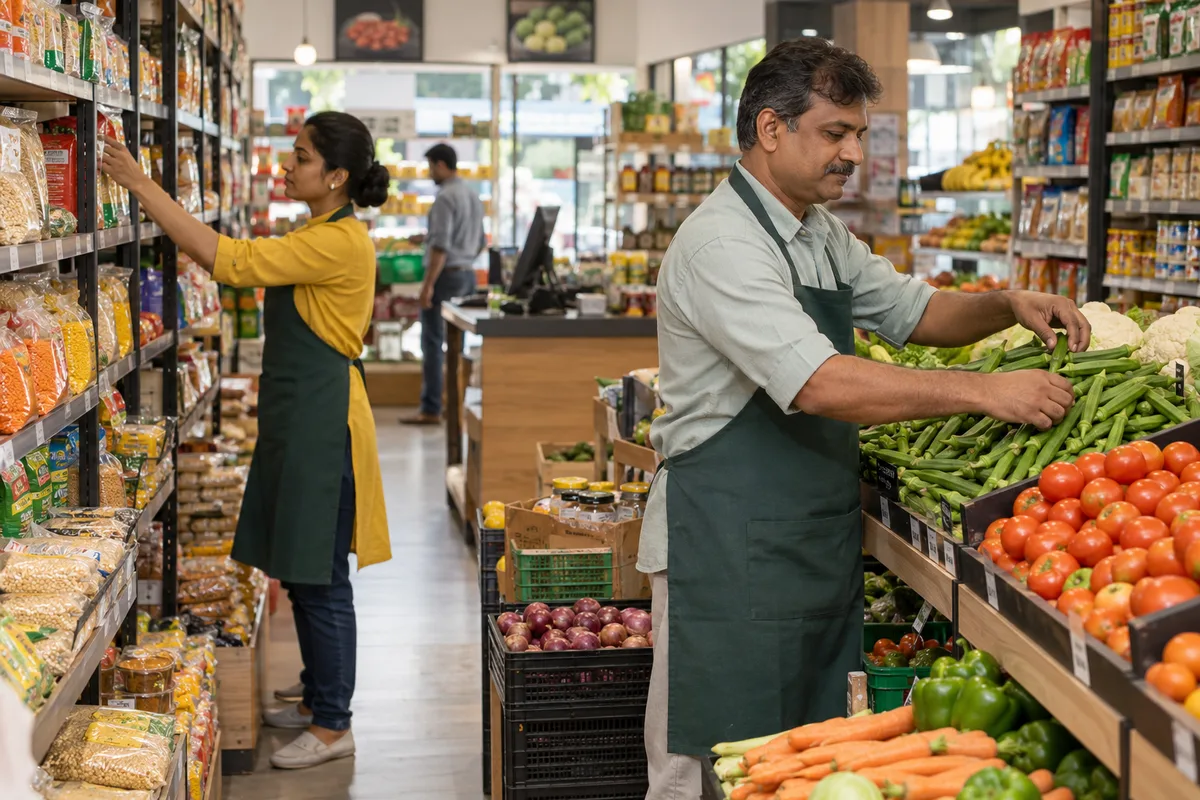
What buyer persona means
A buyer persona is a plain description of the kind of customer who actually buys from you. It includes what they search, what worries them and who else they ask before deciding. GullySales builds this from real enquiries and past sales rather than a generic template, then uses it to write every page and advert.
Last updated 14 Nov 2026.
For meat shops
Where it usually goes wrong, and what we would do.
“The Sunday family wants the usual, ready”
This household has bought from the shop for years and wants the same cut, packed on time. It leaves when the shop runs out twice, so a collection slot matters more than a discount.
“The new resident compares before trusting”
A newcomer reads reviews, glances at the counter and asks a neighbour. Cleanliness and a clear answer to a question decide whether they come back after the first trial.
“The working parent orders from the office”
This buyer has little time on weekdays and wants a short message, a pickup or a delivery slot and a reliable cut. A reply that arrives late loses the order.
“The kitchen manager buys on consistency”
A hotel or caterer wants the same quality each morning, an agreed delivery time and a proper invoice. A single poor batch moves the account to another supplier.
What we do
What we deliver for meat shops.
The work available for this need. We agree the deliverables and responsibilities for your engagement in writing.
A one-page sketch for each type of buyer
The household, the newcomer, the working parent and the kitchen, with what each asks and what makes them leave.
Result: Four short pages the staff can read.
Questions to ask at the counter
A few polite questions that reveal why a family chose the shop, which cut they want and how they heard of you.
Result: A list of answers collected over time in the register.
Messages matched to each buyer
Wording for pre-order requests, delivery notices and function offers, written for the person who will read it.
Result: Different messages for different buyers.
A rule for who the shop is not for
A note on the buyers whose needs the shop cannot meet, such as long-distance delivery, so effort goes to those it can serve.
Result: A clear line staff can use.
A review of the sketches against orders
A check of the sketches against the order sheet, to see which buyer brings repeat business.
Result: The sketches are corrected by the facts in your register.
How the result is measured
- Enquiry match to persona
- Conversion rate by persona
- Content aligned to persona
Recorded as a baseline before work starts, so every later report has an honest comparison.
Who is asking
The households and kitchens who buy from a meat shop, and what each wants.
- Sunday family of regulars
- Wants the usual cut ready without waiting. Take the pre-order the evening before and keep it aside.
- New resident in the nearby tower
- Compares two or three shops before trusting one. Show a clean counter, clear timings and a small first order.
- Working parent ordering from the office
- Wants to message, pay and collect or have it delivered. Reply on WhatsApp with the cut and the time.
- Caterer for a function
- Needs quantity, a date and a rate in advance. Take the order in writing and confirm a day before.
- Hostel or restaurant kitchen manager
- Buys on consistency and on delivery at an agreed hour. Offer a sample and keep one named contact.
- Festival-season buyer
- Shops in a rush before the day. Publish special hours and take bookings before the queue forms.
Who it is for
This is written for these meat shops.
- Chicken retail shops in residential neighbourhoods
- Mutton and goat meat shops
- Shops that sell both chicken and mutton
- Pork and other speciality meat shops serving their own regular buyers
- Egg and chicken stores that also sell marinated products
- Meat shops with home delivery
- Supplier-shops that sell to hotels, caterers and hostels
- Meat shops inside supermarkets and apartment complexes
Before you decide
When this may not be the right fit.
- You have no way to know your customers' names or habits yet, so a persona sheet would be guesses written down.
- The shop sells to whoever walks in and has no plan to treat any buyer differently, so the exercise would change nothing.
- You want to sort customers by religion or caste, which the shop should not record.
Before you decide
Agree the work. Know how to judge it.
Buyer personas for meat shops: use these checks to prepare, choose the scope, and review what changes.
Bring the right evidence
Write the decision the research must support, such as entering a market or choosing a buyer group. Separate what you know from sales records from what the team currently assumes.
Make the scope clear
Agree which buyers to speak to, which sources to review, and what access you can provide. Include lost enquiries and people who chose another supplier, where they are willing to take part.
Check the work in use
Look for source dates, sample limitations, and evidence that disagrees with the preferred answer. A recommendation should show how it follows from the findings.
Know when to change course
Do not treat a few positive conversations as proof of demand. Test the proposed offer with an actual buying decision before committing to a wider launch.
These are discussion points, not a fixed package. GullySales confirms the deliverables, responsibilities, fee, and term in writing after reading your brief and speaking with you.
Before we start
What to have ready before the work starts.
The records, access and decisions this work needs from meat shops. Anything missing is noted in the written scope, with who will supply it.
- The pre-order sheet from recent weekends
- Bring the sheets or messages where weekend orders were written. Names may be covered. A scrawled sheet is acceptable. Without it the sketches rest on talk, not on what families bought.
- The credit book or the delivery list
- These show who buys steadily, who pays late and who stays within a few streets. Bring either one, in any condition. Without them we cannot separate loyal households from occasional ones.
- Permission to speak to five customers
- Pick regulars you trust, and ask them in advance whether they would speak for a few minutes. If you cannot, the sketches rest on staff memory alone, and we say so on the page.
- An introduction to one kitchen buyer
- A hotel, hostel or caterer thinks very differently from a household. Bring one name and ask if they will talk. Without that, the kitchen sketch is left out of the set, and the shop plans for kitchens without ever having heard from one, which means guessing at the cut, the delivery hour and the rate.
- Your own view of the shop's best customer
- Write a few lines about the family you would like ten more of, and why. Only the owner can make this call. Without it, we draw the buyers who are largest in number, not the ones the shop wants.
How it works
How the buyer persona work runs
The work itself, in order. How an engagement starts, from your brief to a written scope, is set out on our method page.
- 1
Decide which buyers to draw first
We open with the owner's own sense of who fills the shop on a Sunday: the household with a standing order, the new tower resident, the office-goer who messages, the kitchen manager. You pick the few worth drawing now. What exists afterwards is a short list of buyer types, each with a working name that your staff will recognise, together with a note of the kind of order each type places on a normal weekend and on a festival morning.
- 2
Read the order sheet and the udhaar book
We look at the pre-order sheet, the credit notebook and the delivery list, with names hidden if you prefer, to see who buys which cut in what quantity, and which families fall silent. You explain the patterns we cannot read, such as why one house orders only before a festival. This gives the first evidence for each sketch.
- 3
Talk to five families and one kitchen
With your permission we or you speak to a few customers across your buyer types, plus one hotel or caterer. We ask what made them choose the shop, what nearly made them leave and what they check before buying. The notes are kept without names. Together they separate what you believe about buyers from what buyers say. We also ask what each family checks before paying, such as the pack date, the weight label or the butcher's name.
- 4
Write one page for each type of buyer
Each sketch covers when they come, what they ask for, what they compare, what they worry about and what makes them change shops. We write in plain words and avoid tying anyone to a religion or a diet unless the buyer said so themselves. You read each page and correct it against the faces you know.
- 5
Name who the shop is not for
Some enquiries cost more than they bring: a bargain-hunter who wants a rate nobody can meet, or a delivery far outside the lane. We draft a short rule with you for these, and the kind words your staff use to decline. The shop then knows where to spend its effort.
- 6
Test the sketches against the next orders
For the following stretch of orders, your staff mark which sketch each customer fits. We compare that with the picture we drew and with the counts recorded before the work, such as pre-orders, repeat families and kitchen enquiries. You then decide which sketches to keep, merge or redraw, and we report how well they fit the orders.
Where this fits
Three pieces of sales work, in this order.
This work sits inside sales process design, at stage 0, foundation. The audit comes before it, and sales management keeps it running.
Step 1
Sales audit
Find where deals are being lost and what to fix first.
Start here if you cannot say where orders are lost.
Step 2 · you are here
Sales process design
One written way to sell, from first enquiry to repeat order.
Start here if every salesperson sells differently.
Step 3
Sales management
A target, a review routine and someone who owns the number.
Start here if the team has targets and no routine.
FAQ
Questions owners ask before they call.
Not here? More answers, or ask on WhatsApp.
Do we need personas for a shop this size?
Where does the information come from?
Should the persona include religion or diet?
How do we serve a buyer with a dietary or religious requirement?
How do we learn what a kitchen buyer wants?
Should the sketches record religion or diet?
How much does it cost?
How long is the contract?
How soon will we see results?
Who will actually do the work?
More for meat shops
Related work to consider.
Closest to this: strategy and research
Also for meat shops
Or start from the overview: sales and marketing for meat shops.
Your next practical step
Tell us what you are trying to grow, and we will read it before we call.
Eight short steps, mostly taps. Skip anything you would rather answer on the call.