Mobile phone stores · Point-of-sale marketing
A phone buyer reads the counter and the glass case before reading any advert.
Point-of-sale marketing for a phone store is the printed and physical material around the display table, the glass case and the billing desk that turns a look into a choice. GullySales fits the pieces to your real counter space, links a QR code to your own WhatsApp catalogue, and sets a check so that old offer cards come down on time.
Scope, fee, reporting and term are agreed in writing after we have read your brief and spoken to you.
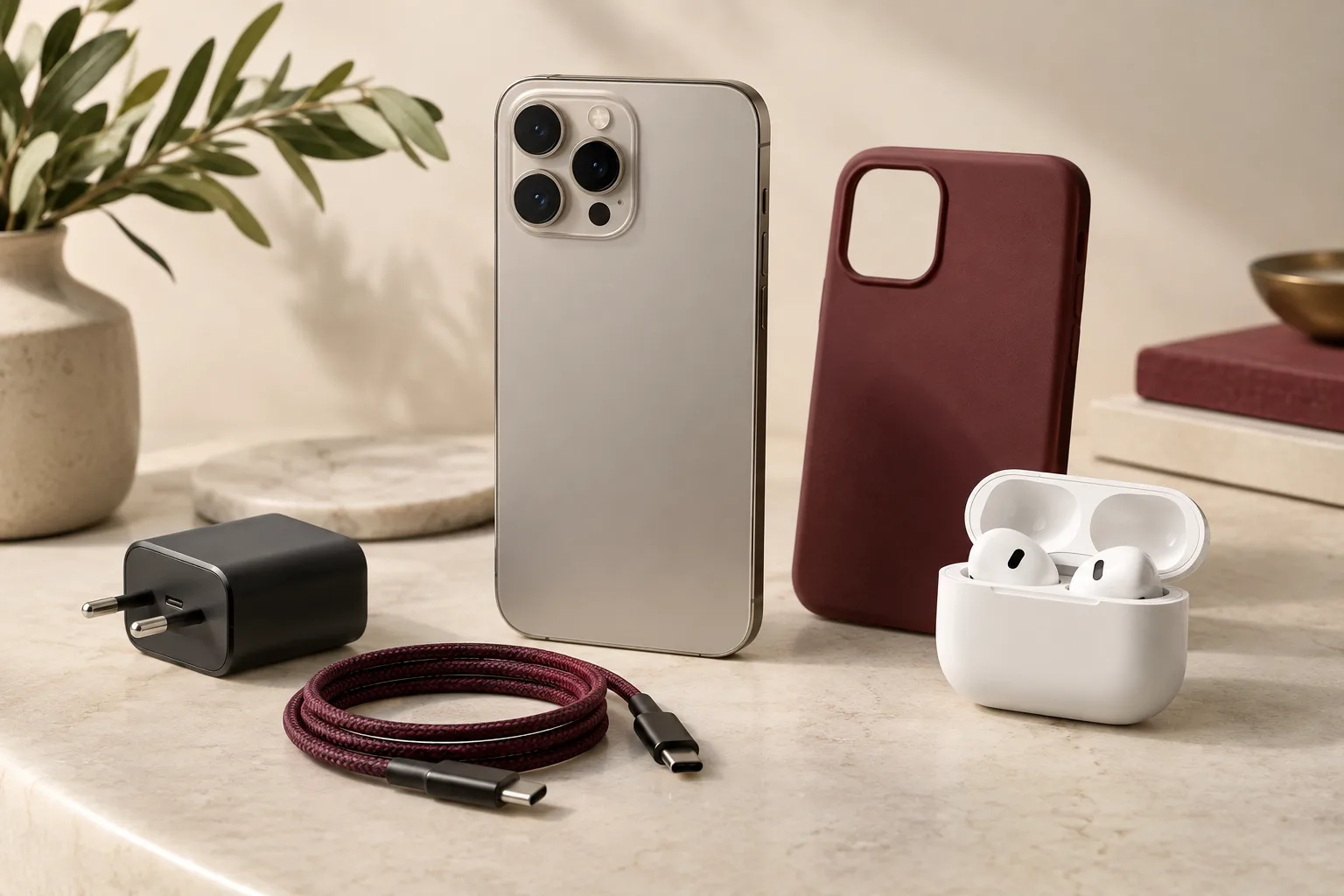
What point-of-sale marketing means
Point-of-sale marketing is the printed and physical material at the counter and shelf that decides the last choice between brands. GullySales designs it to fit real shop space, adds a QR code to your WhatsApp catalogue or warranty page, checks that it is put up, and gets outdated scheme material removed.
Last updated 18 Oct 2026.
For mobile phone stores
Where it usually goes wrong, and what we would do.
“Brand cards crowd out the shop's own point of view”
Handset makers send standees, strips and banners that all shout the same launch. Put up together, they bury the single message that helps a walk-in decide. A shop needs a short plan for what stands where, and permission to leave some brand material in the cupboard.
“Dummy units get handled and nobody explains them”
A buyer picks up a display piece, turns it over and puts it back. Without a card naming the model, the price band and one reason to choose it, the shop waits for a staff member to be free. The card does the talking while the counter is busy.
“Old offer cards stay on the glass after the offer ends”
A festival cashback or exchange bonus ends, the card does not. The buyer quotes it at the bill and the shop either honours a price it never meant to or argues with a customer in front of others. A dated withdrawal list prevents that.
“A QR code that opens nothing is worse than no code”
A printed code that leads to the maker's global site, a dead page or a form in the wrong language wastes the moment of interest. The code on a shop card should open the shop's own catalogue or enquiry chat, and be tried on a real phone before print.
What we do
What we deliver for mobile phone stores.
The work available for this need. We agree the deliverables and responsibilities for your engagement in writing.
Display plan for the glass case and table
A drawn layout of which handsets sit at eye level, which are switched on for trial and which cards stand beside them, built from photographs and measurements of your own shop.
Result: You can walk the floor and compare it to the drawing.
Model and price-band cards
Short cards for each handset or band showing the model, the one feature that matters to the buyer and your approved offer wording. Offer lines are checked against your written scheme note.
Result: Every card on display matches a scheme you have approved.
Counter and billing-desk pieces
A small card by the billing desk for exchange, finance and accessories, so the buyer sees what else is available at the point of payment.
Result: A buyer can read the exchange and accessory offer without asking.
QR code to your catalogue or service chat
A code that opens your WhatsApp catalogue or a service request chat, tested on more than one handset before print and kept under your own account.
Result: You can scan each code yourself and see where it lands.
Withdrawal list for ended offers
A dated list showing which card belongs to which scheme and when it must come down, shared with the floor staff and the shop manager.
Result: The glass carries no card for an offer that has finished.
How the result is measured
- Outlets with each piece put up, separate from pieces dispatched
- Material in the right place and readable at the counter
- Outdated scheme material still showing after its end date
Recorded as a baseline before work starts, so every later report has an honest comparison.
Who it is for
This is written for these mobile phone stores.
- Multi-brand mobile showrooms in city markets
- Brand-exclusive stores run by franchise partners
- Authorised Apple resellers and premium phone counters
- Mobile stores in small towns and taluk headquarters
- Exchange and used-phone specialists
- Shops that bundle recharge, SIM and bill payment with handset sales
- Stores inside malls and large electronics showrooms
- Distributor-linked shops that also supply smaller dealers
Before you decide
Agree the work. Know how to judge it.
Point-of-sale marketing for mobile phone stores: use these checks to prepare, choose the scope, and review what changes.
Bring the right evidence
Map existing partners, their territories, and the customers they serve. Review active selling and repeat orders separately from the number of partners signed up.
Make the scope clear
Agree partner fit, territory rules, onboarding, and support responsibilities. Clarify how direct enquiries and partner enquiries are assigned before starting recruitment.
Check the work in use
Follow a partner enquiry through to an order and the next purchase. Check whether the partner has the product knowledge and material needed to sell without repeated intervention.
Know when to change course
If current partners cannot sell because supply or support is weak, resolve that before recruiting more. A bigger network can spread the same problem further.
These are discussion points, not a fixed package. GullySales confirms the deliverables, responsibilities, fee, and term in writing after reading your brief and speaking with you.
How it works
How the point-of-sale marketing work runs
The work itself, in order. How an engagement starts, from your brief to a written scope, is set out on our method page.
- 1
Outlet and product choice
You tell us the outlets you sell through and the products that need a push at the counter. We agree which pieces suit which outlet.
- 2
Space measurement
Your field team or a dealer sends photographs and measurements of counters and shelves. We fit sizes to them before any artwork begins.
- 3
Artwork and QR approval
You approve each proof, the offer wording and the QR destination. Anything that states a price or scheme is checked against your written scheme note.
- 4
Print and dispatch handoff
The approved files go to your printer or ours as agreed in writing, with quantities by dealer. Dispatch records which outlet got which piece.
- 5
Store-visit check
Photographs or visits confirm the material is up, readable and in the right place. Gaps go to the responsible dealer or field representative.
- 6
Scheme withdrawal
When a scheme ends, the withdrawal list is sent and a recheck confirms old material has come down.
Where this fits
Three pieces of sales work, in this order.
This work sits inside sales process design, at stage 0, foundation. The audit comes before it, and sales management keeps it running.
Step 1
Sales audit
Find where deals are being lost and what to fix first.
Start here if you cannot say where orders are lost.
Step 2 · you are here
Sales process design
One written way to sell, from first enquiry to repeat order.
Start here if every salesperson sells differently.
Step 3
Sales management
A target, a review routine and someone who owns the number.
Start here if the team has targets and no routine.
FAQ
Questions owners ask before they call.
Not here? More answers, or ask on WhatsApp.
Can you design cards that carry the handset maker's logo and offers?
Our shop is small. Is there room for this?
Who puts the material up?
How much does it cost?
How long is the contract?
How soon will we see results?
Who will actually do the work?
What do you need from us?
What if we are not happy with the work?
More for mobile phone stores
Related work to consider.
Or start from the overview: sales and marketing for mobile phone stores.
Your next practical step
Tell us what you are trying to grow, and we will read it before we call.
Eight short steps, mostly taps. Skip anything you would rather answer on the call.