Pet food stores · Follow up systems
Follow up each owner before the bag runs out, not after they have bought elsewhere.
A follow-up system for a pet food store is the set of messages and calls that go out after a first sale, an enquiry or a missed reorder. GullySales designs the sequence around your bag sizes and the animals you serve.
Scope, fee, reporting and term are agreed in writing after we have read your brief and spoken to you.
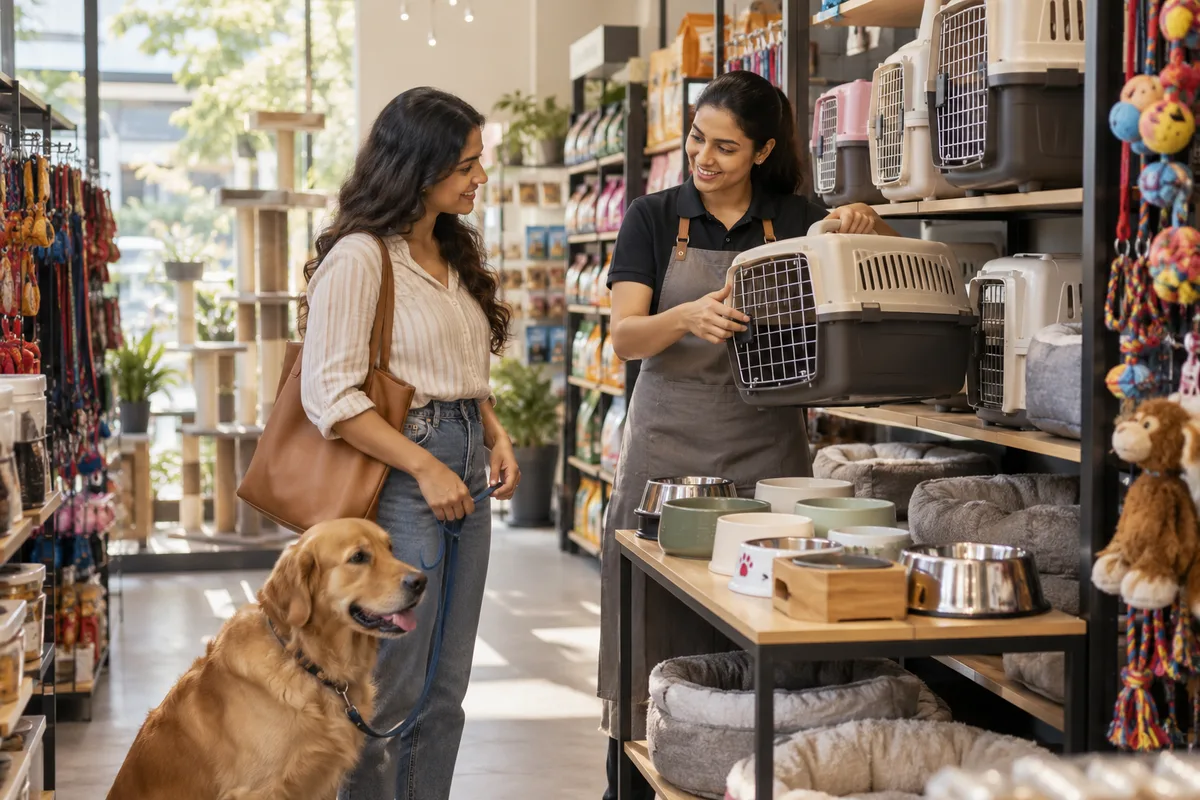
What follow up systems means
A follow-up system is the set routine for calling, messaging or emailing an enquiry more than once, since most buyers do not decide on the first conversation. GullySales sets the number and timing of follow-ups so an undecided buyer keeps hearing from you until they decide either way.
Last updated 14 Nov 2026.
For pet food stores
Where it usually goes wrong, and what we would do.
“The first bag is the audition”
An owner buys one bag to see how the animal takes to it. If nobody asks how it went, the shop loses the chance to be the one that supplies the second.
“An enquiry that gets no reply is gone”
An owner who messaged about a brand and heard nothing orders from an app. A first answer on the same day decides who gets the order.
“Lapsed buyers hold an answer”
An owner who stopped reordering has switched brand, moved or found a cheaper seller. A gentle question reveals which, and each answer tells the shop something about its stock or its price.
What we do
What we deliver for pet food stores.
The work available for this need. We agree the deliverables and responsibilities for your engagement in writing.
A check-in after the first bag
A short message asking how the animal is taking the food and offering the next bag.
Result: The owner knows the shop wants to hear how it went.
A run-out reminder
A message sent before the expected end of the bag with the usual item and delivery option.
Result: The owner can reorder with one reply.
An enquiry reply rule
A written rule for who answers a new enquiry and how soon the staff should respond.
Result: No message sits unanswered over a busy counter.
A lapsed buyer message
A kind note to owners who stopped, asking if the animal changed food.
Result: You learn why customers leave.
A task list for the counter
A simple list of owners to call or message that day.
Result: Staff know who to follow up without hunting through chats.
How the result is measured
- Follow-up completion rate
- Average number of follow-ups before close
- Enquiries closed after repeat follow-up
Recorded as a baseline before work starts, so every later report has an honest comparison.
What to capture or send
The moments a pet food store should contact an owner, and what to say.
- First bag bought
- A message a few days later asking how the animal took to the food. The question shows the shop cares and gives the owner a way to reply.
- Bag nearly finished
- A reminder timed from the pack size and the animal's size, offering delivery. Sent only to owners who agreed to hear from you.
- Food out of stock
- A call or message to the owners who buy it, with the arrival date and an alternative if the owner wants one. Never swap a brand without asking.
- Enquiry with no reply
- One follow-up the next working day. If the owner still does not answer, note it and stop, so the number is not chased.
- Owner who switched to a vet's diet
- Ask what the vet advised and whether the shop can supply it. Record the answer so the owner stays on the list even when the food changes.
- Lapsed buyer
- A single note asking if the owner still needs food or has moved elsewhere. After that, the number rests until a shop-wide message.
Who it is for
This is written for these pet food stores.
- Dog and cat food specialists in a neighbourhood
- Pet shops that sell food, accessories and grooming
- Pet stores attached to a veterinary clinic
- Stores selling prescription and therapeutic diets on a vet's advice
- Shops supplying breeders, kennels and boarding centres
- Suppliers of bird, fish and small-animal food
- Multi-outlet pet supply stores in one city
- Home-delivery pet food sellers working from a godown
Before you decide
When this may not be the right fit.
- No one is named to send reminders, so the list would age with nobody reading it
- You do not record pack size, so a reminder would arrive at a guessed moment
- You plan to message owners who never agreed to receive reminders
Before you decide
Agree the work. Know how to judge it.
Follow-up systems for pet food stores: use these checks to prepare, choose the scope, and review what changes.
Bring the right evidence
Trace recent enquiries from arrival to the last recorded action. Include a won enquiry, an unsuitable one, and one that went quiet, with personal details removed for the initial discussion.
Make the scope clear
Agree who accepts each enquiry, what makes it qualified, and how ownership changes. Include a rule for missed replies and a clear reason for closing an enquiry.
Check the work in use
Pick an enquiry at random and ask the team to find its owner, latest conversation, and next action. Check that the record agrees with what actually happened.
Know when to change course
If no one has capacity to respond, assign that responsibility before buying more leads. Automation can support the owner, but it cannot replace an unresolved handover.
These are discussion points, not a fixed package. GullySales confirms the deliverables, responsibilities, fee, and term in writing after reading your brief and speaking with you.
Before we start
What to have ready before the work starts.
The records, access and decisions this work needs from pet food stores. Anything missing is noted in the written scope, with who will supply it.
- The bill book with brand and bag size
- Bring the bill book with brand and bag size for the last several months. We need to see who bought which bag, when, and who came back. Without it, the reminder dates are guesses, and the first reminders go only to owners you remember well.
- A list of owners who stopped buying
- Name the owners you miss, with the reason if you know it: moved house, changed to the vet's food, found a cheaper bag online. The lapsed-buyer message is written for them. If you know nothing, the message asks the owner how the animal is doing and offers help.
- Your rule on messaging frequency
- Decide how many reminders an owner can receive before the bag runs out, and how many after. Only you know what annoys your customers. The plan stays within the limit you give, and a limit set too low is easier to raise later than one set too high.
- The phone the reminders go from
- Tell us whether messages go from a shop number or from a personal phone. The record of what was sent depends on it, and a message sent from a staff member's own phone leaves the shop when that person does. A shared shop number is the safer choice.
- A line for owners who use the vet's food
- Decide what you say to an owner who switched to the vet's own food. The reply must respect the vet's advice and never argue with it. Write the line you would be comfortable sending, and we use it as the base for the answer to that group.
How it works
How the follow up systems work runs
The work itself, in order. How an engagement starts, from your brief to a written scope, is set out on our method page.
- 1
Look at the first-bag buyers who never returned
The first bag is the audition, so we list owners who bought one and did not come back, using the bill book. Your memory of each buyer fills in what the record lacks. The list shows when the shop loses owners, and the follow-up is aimed at that moment. We also ask which brands the lapsed owners bought, because an owner who left over a brand you stopped stocking needs a different message from one who simply forgot.
- 2
Time each reminder to the bag
We work out with you when each common bag runs out for the animal in question, and write a check-in for after the first bag and a reminder before the second is due. You approve the wording. No reminder is set to a date nobody can defend. The check-in after the first bag asks one question about how the animal has taken to the food and offers the next size, with no offer attached.
- 3
Set the reply rule for unanswered enquiries
An enquiry that gets no reply is gone, so we agree who answers, in what hours and what the reply must include. You decide the time by which any message gets an answer, and we put the rule on a card at the counter.
- 4
Write the message for owners who stopped
A lapsed buyer holds an answer, so we write a short message that asks how the animal is doing and whether something went wrong. You decide who sends it. An owner who moved to the vet's food gets a courteous reply, not an offer. The message goes out only to owners whose number you hold with consent, and replies from owners who switched to the vet's food are filed under their own label.
- 5
Make a task list the counter can read
We turn the plan into a short list for the counter: who to message today, which bag is due, which enquiry is waiting. You decide who owns each task. A list nobody reads is shortened until somebody does. Each task carries the owner's name, the animal and the brand, so whoever opens the list at the counter can act without searching the bill book.
- 6
Read returns against the first-bag record
After a stretch, we compare second-bag purchases and returns with the first-bag buyers noted at the start. You tell us which reminder owners answered. We rewrite the ones that were ignored, and no sales figure is promised.
Where this fits
Three pieces of sales work, in this order.
This work sits inside sales process design, at stage 2, qualification. The audit comes before it, and sales management keeps it running.
Step 1
Sales audit
Find where deals are being lost and what to fix first.
Start here if you cannot say where orders are lost.
Step 2 · you are here
Sales process design
One written way to sell, from first enquiry to repeat order.
Start here if every salesperson sells differently.
Step 3
Sales management
A target, a review routine and someone who owns the number.
Start here if the team has targets and no routine.
FAQ
Questions owners ask before they call.
Not here? More answers, or ask on WhatsApp.
Will reminders annoy owners?
Should follow-up be automatic?
What if an owner switched to the vet's food?
What if an owner has switched to the vet's own food?
Will reminders feel like pressure to owners?
Should reminders be automatic or sent by a person?
How long is the contract?
How soon will we see results?
Who will actually do the work?
What do you need from us?
More for pet food stores
Related work to consider.
Closest to this: leads and follow-up
Also for pet food stores
Or start from the overview: sales and marketing for pet food stores.
Your next practical step
Tell us what you are trying to grow, and we will read it before we call.
Eight short steps, mostly taps. Skip anything you would rather answer on the call.