Pet food stores · Buyer persona
Treat the first-time puppy owner, the regular and the kennel buyer as different people.
A buyer persona for a pet food store describes the kind of person who walks in or messages, what they worry about and what makes them choose a shop. GullySales builds the personas from your own sales and counter conversations, not from guesses.
Scope, fee, reporting and term are agreed in writing after we have read your brief and spoken to you.
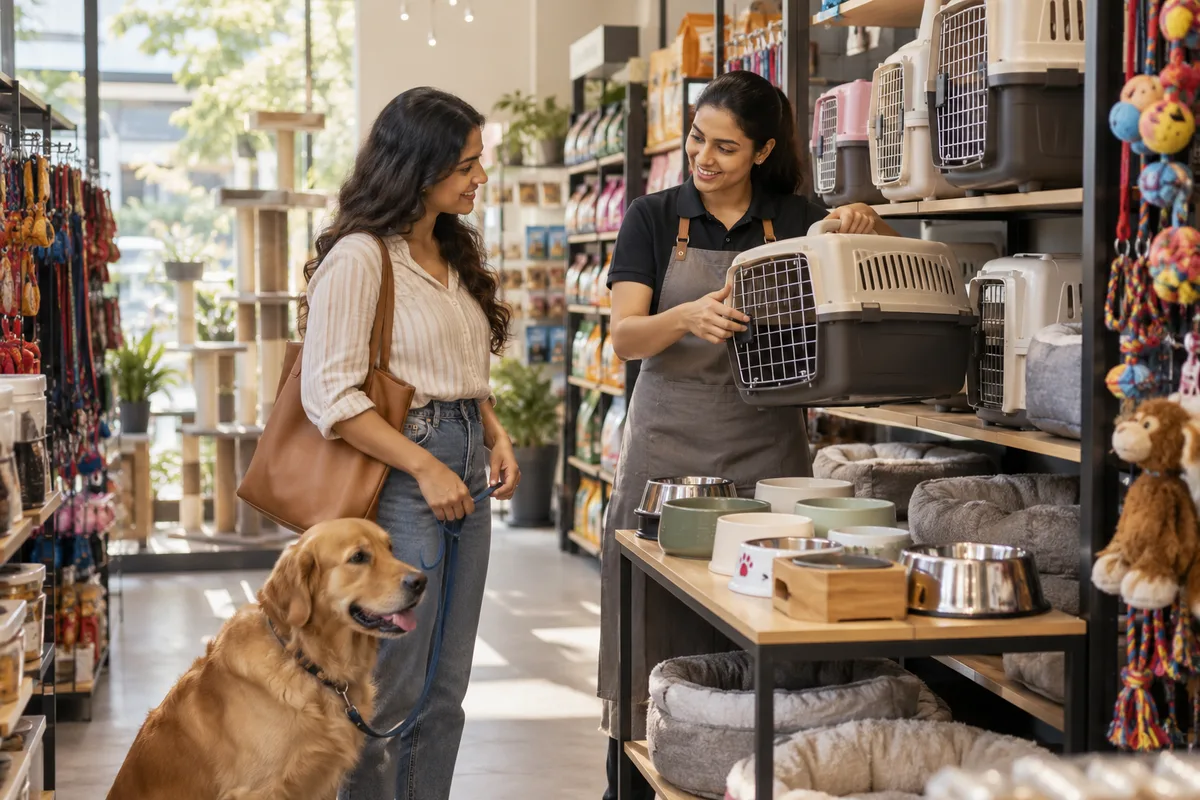
What buyer persona means
A buyer persona is a plain description of the kind of customer who actually buys from you. It includes what they search, what worries them and who else they ask before deciding. GullySales builds this from real enquiries and past sales rather than a generic template, then uses it to write every page and advert.
Last updated 14 Nov 2026.
For pet food stores
Where it usually goes wrong, and what we would do.
“The first-time owner wants reassurance”
This buyer is anxious about getting the food wrong and asks the same question three ways. They need a shop that answers calmly, names a starter brand and does not make them feel ignorant.
“The loyal regular wants to be remembered”
This buyer knows the brand, the size and the flavour, and wants the usual without a conversation. Remembering the animal's name is worth more to them than a small discount.
“The kennel or breeder buyer wants supply”
This buyer feeds a large number of animals and cares about price per kilogram, stock on the day and an invoice. A missed delivery matters more to them than a loyalty message.
What we do
What we deliver for pet food stores.
The work available for this need. We agree the deliverables and responsibilities for your engagement in writing.
Persona sheets
One page each for the new owner, the regular, the trade buyer and the vet-advised buyer, written from your own records.
Result: The team can say who a customer is before they speak.
Questions each persona asks
A list of the real questions staff hear, with the answer your shop gives.
Result: A new staff member answers like an experienced one.
Message set per persona
Different first replies and reminders for each type of buyer.
Result: A trade buyer does not receive a puppy starter message.
Stock notes by persona
Which brands and sizes each type of buyer reaches for.
Result: Buying decisions follow who actually shops with you.
A review of the personas against sales
A check of whether the sheets match who really buys.
Result: The sheets stay true to the counter.
How the result is measured
- Enquiry match to persona
- Conversion rate by persona
- Content aligned to persona
Recorded as a baseline before work starts, so every later report has an honest comparison.
Who is asking
The owners who walk in or message a pet food store, and what each needs to hear.
- First-time puppy owner
- Anxious about feeding the right amount. Wants to be told what the breeder or vet said and which bag to start with. Needs reassurance, not a long catalogue.
- Long-time regular with the same dog
- Buys the same bag and wants to be remembered. Wants the bag held, delivered on time and told when the price changes before the bill.
- Owner switching because of a vet's advice
- Has a name from the vet and wants to know if the shop holds it. Fears a wrong substitute, so ask before swapping a brand.
- Breeder or kennel buyer
- Buys in volume and wants a steady supply at a fixed rate. Asks about bulk packs, delivery to the kennel and payment terms.
- Cat owner in a flat
- Wants litter and food delivered, with little time to visit. Responds to a message-based reorder and a delivery slot.
Who it is for
This is written for these pet food stores.
- Dog and cat food specialists in a neighbourhood
- Pet shops that sell food, accessories and grooming
- Pet stores attached to a veterinary clinic
- Stores selling prescription and therapeutic diets on a vet's advice
- Shops supplying breeders, kennels and boarding centres
- Suppliers of bird, fish and small-animal food
- Multi-outlet pet supply stores in one city
- Home-delivery pet food sellers working from a godown
Before you decide
When this may not be the right fit.
- You have no sales records to read, so every persona would be a guess
- The shop has one kind of customer and has no plan to reach another
- Staff would not read the persona sheets when serving someone at the counter
Before you decide
Agree the work. Know how to judge it.
Buyer personas for pet food stores: use these checks to prepare, choose the scope, and review what changes.
Bring the right evidence
Write the decision the research must support, such as entering a market or choosing a buyer group. Separate what you know from sales records from what the team currently assumes.
Make the scope clear
Agree which buyers to speak to, which sources to review, and what access you can provide. Include lost enquiries and people who chose another supplier, where they are willing to take part.
Check the work in use
Look for source dates, sample limitations, and evidence that disagrees with the preferred answer. A recommendation should show how it follows from the findings.
Know when to change course
Do not treat a few positive conversations as proof of demand. Test the proposed offer with an actual buying decision before committing to a wider launch.
These are discussion points, not a fixed package. GullySales confirms the deliverables, responsibilities, fee, and term in writing after reading your brief and speaking with you.
Before we start
What to have ready before the work starts.
The records, access and decisions this work needs from pet food stores. Anything missing is noted in the written scope, with who will supply it.
- A few months of bills sorted by buyer
- Bring the bills for the last few months, or the names of buyers you can place in each of the three groups. The sheets depend on seeing who buys which brand and how regularly they return. Without bills, they rest on the staff's memory alone, and we mark them as less certain.
- The names of two or three loyal regulars
- Pick owners who have bought from you for a long time and would talk for a few minutes. We need their consent first, and you may prefer to ask them yourself. If no regular is willing, the loyal-regular sheet is written from the counter notes alone.
- A kennel or breeder who buys in volume
- If you supply a kennel, breeder or boarding centre, ask whether they will speak to us about what they check before ordering: price per kilogram, stock on a Sunday, an invoice. If none will, the sheet is built from your own account of them and marked less certain.
- Your stock policy for large orders
- Decide how you handle a kennel that orders a pile of bags at once: credit, invoice, delivery, a standing order. The sheet for that buyer rests on your terms, and it cannot be written well until they are fixed. Where they are not, say what you would be willing to try.
- A decision on bird and fish owners
- Tell us whether bird and fish owners are a group you want a sheet for, or few enough to fold into the others. The choice changes how much stock and attention the sheets recommend, and we follow your reading of the shop.
How it works
How the buyer persona work runs
The work itself, in order. How an engagement starts, from your brief to a written scope, is set out on our method page.
- 1
Sort the bill book into three kinds of buyer
Starting from the bill book, we sort buyers into the first-time puppy owner, the loyal regular and the kennel or breeder buyer. You help us by naming a few owners in each group from memory. The sort shows which of the three the shop serves best and which it has barely met. Owners with both a dog and a cat are counted once, under the animal that takes the bigger share of the food.
- 2
Listen to the counter for a few days
We ask the staff to note, in a notebook, what a new pet parent asks and what a regular says when buying. We read the notes with them. Counter conversation shows what each person wants and what makes them nervous. We also note the questions staff cannot answer, since those show where the first-time owner is left alone.
- 3
Speak to owners and one kennel buyer
With your permission, we talk to a small number of owners who agreed: a new one, a regular and, if possible, a breeder or kennel who buys in volume. We ask what they checked and who they asked. The answers are written in their words. The kennel buyer is asked about stock on a Sunday and about the invoice, because those two things decide the order.
- 4
Write a sheet for each of the three
We draft the three sheets: the first-time owner who wants reassurance, the regular who wants to be remembered, the breeder who wants supply. You correct them from your knowledge. A sheet that does not match a real owner is rewritten. Each sheet ends with the one thing that would make that person switch shops, so the staff know what to protect.
- 5
Match messages and stock notes to each sheet
For each sheet we write the message set and the stock note: what to keep ready for a kennel on a Sunday, what to say to a new owner about the first bag. You decide what changes in the shop. A bird or fish owner who needs a separate sheet is added. The stock note names bag sizes and the brands to keep on the shelf for each person, which you can accept or change.
- 6
Check the sheets against who bought
After a stretch, we compare the three types with the bills and the repeat orders, against the figures noted at the start. You tell us which type was missing. We correct the sheets, and no sales figure is promised.
Where this fits
Three pieces of sales work, in this order.
This work sits inside sales process design, at stage 0, foundation. The audit comes before it, and sales management keeps it running.
Step 1
Sales audit
Find where deals are being lost and what to fix first.
Start here if you cannot say where orders are lost.
Step 2 · you are here
Sales process design
One written way to sell, from first enquiry to repeat order.
Start here if every salesperson sells differently.
Step 3
Sales management
A target, a review routine and someone who owns the number.
Start here if the team has targets and no routine.
FAQ
Questions owners ask before they call.
Not here? More answers, or ask on WhatsApp.
Where does the information come from?
Do I need a different shop for each persona?
What about owners of birds and fish?
Do we need personas for bird and fish owners?
Is a persona worth the work for a one-counter shop?
Should the sheet record a customer's address and phone?
How much does it cost?
How long is the contract?
How soon will we see results?
Who will actually do the work?
More for pet food stores
Related work to consider.
Closest to this: strategy and research
Also for pet food stores
Or start from the overview: sales and marketing for pet food stores.
Your next practical step
Tell us what you are trying to grow, and we will read it before we call.
Eight short steps, mostly taps. Skip anything you would rather answer on the call.