Sports equipment shops · Lead generation
Bring in the parents, coaches and schools who are about to buy kit.
Lead generation for a sports equipment shop means finding the people with a sport, a size and a date in mind, and getting their enquiry to the counter while the need is live. GullySales works on the sources that send them: coaches, school sports heads, tournament organisers and search for a specific sport.
Scope, fee, reporting and term are agreed in writing after we have read your brief and spoken to you.
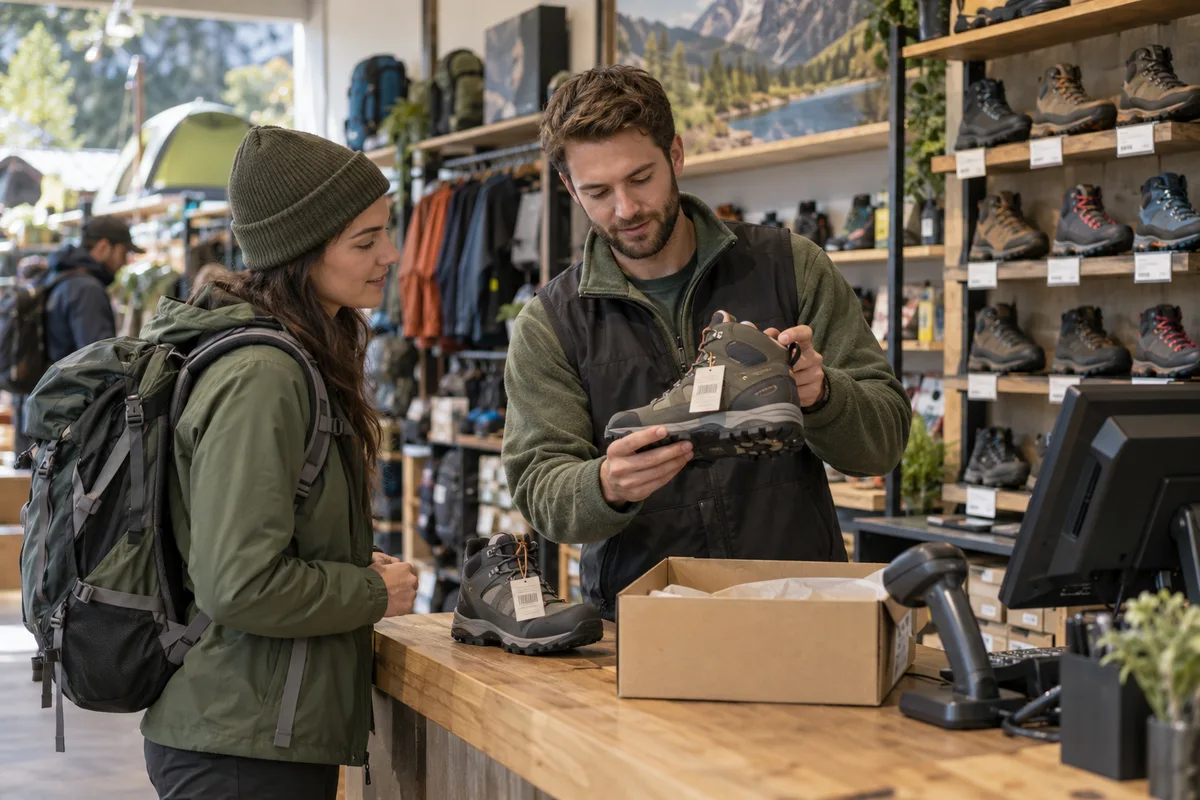
What lead generation means
Lead generation is the combined work of every channel that brings in a new enquiry, whether from search, adverts, referrals or a stall at an exhibition. GullySales runs these channels together and reports the number of enquiries each one produced, not the activity behind it.
Also for sports equipment shops
- CRM for sports equipment shops
- Follow-up systems for sports equipment shops
- SEO for sports equipment shops
- Local SEO for sports equipment shops
- Social media marketing for sports equipment shops
- Content marketing for sports equipment shops
- Buyer personas for sports equipment shops
- WhatsApp marketing for sports equipment shops
Sales and marketing for sports equipment shops, the overview.
Plan the next part of the work
Last updated 21 Nov 2026.
For sports equipment shops
Where it usually goes wrong, and what we would do.
“The best lead is a batch, not a single buyer”
One academy intake brings a whole group of families who all need a starter kit in the same few days. A shop that treats each parent as a separate walk-in misses that the coach is the lead, and every family behind the coach follows.
“Enquiries arrive with a sport, not a product”
A parent writes asking about cricket for a child or a racket for a beginner. The shop that asks age, height and level in the first reply gets the visit. The shop that sends a price list gets a thumbs-up and silence.
“School and club buyers run on a list and a date”
A PE teacher or gym owner compares quotes on paper before an event or a refit. A shop that is never asked for a quote is not on the list, so reaching these buyers before the list is drawn up matters more than any discount.
“Season spikes reward the shop that is already listed”
Tournaments and sports days send people searching the same day. The shop with sport pages and a live profile catches that search. The shop that begins posting after the match has started is late.
What we do
What we deliver for sports equipment shops.
The work available for this need. We agree the deliverables and responsibilities for your engagement in writing.
A lead source sheet by sport
A simple sheet that lists every way a buyer reaches you for each sport: coach, school, walk-in, search, WhatsApp, tournament.
Result: You can see which source sends which sport.
A coach and school contact list
A working list of academies, schools, gyms and clubs near the shop, with who buys and when their intake begins.
Result: A list you can call through before each intake.
An enquiry form for kit and team orders
A short form or WhatsApp opener that asks sport, age, quantity and the date needed.
Result: Every enquiry arrives with the details you need to quote.
Sport landing pages for search
Pages for cricket, badminton, football and fitness with photos of your own shelves and the brands you hold.
Result: A search for a sport near the shop lands on a page about that sport.
A source note at the counter
A habit and a column in the register: where did you hear of us.
Result: A running record of which coaches and schools send buyers.
How the result is measured
- Relevant enquiries by source
- Duplicate and unsuitable enquiries
- Time to the first response
- Accepted enquiries reaching an agreed next step
Recorded as a baseline before work starts, so every later report has an honest comparison.
What to capture
Record these details when a kit enquiry arrives.
A sports shop quotes best when the first message already carries the sport, the player and the date.
- Sport and level
- Cricket for a beginner and cricket for a district player need different bats. Record both so the reply opens with the right shelf.
- Age and height of the player
- Bats, rackets and shoes are sized by these. Asked up front, they save a visit that ends in the wrong size.
- Who referred them
- A coach, a school or a friend on the team. This is the field that shows which contacts send whole batches.
- Date the kit is needed
- A tournament, a school sports day or a new intake sets the deadline. The follow-up is timed from it.
- Quantity for a team order
- Jersey count, sizes and printing needs decide the quote. Ask for them in the first reply.
Who it is for
This is written for these sports equipment shops.
- Multi-sport retail shops in a town or neighbourhood
- Cricket specialists for bats, pads, balls and kit
- Badminton, tennis and racket sport specialists
- Football, hockey and team sports suppliers
- Fitness and gym equipment sellers for home use
- Skating, swimming and martial arts gear shops
- Sports shoe and sportswear counters
- School and academy sports suppliers with team jersey printing
Before you decide
When this may not be the right fit.
- You have no one at the counter to reply to enquiries on the day they arrive, so more enquiries would only go cold.
- You have not yet asked buyers where they heard of the shop, so there is no record yet to show which lead source to build on.
Before you decide
Agree the work. Know how to judge it.
Lead generation for sports equipment shops: use these checks to prepare, choose the scope, and review what changes.
Bring the right evidence
Define the organisations or buyers you can serve and the reasons they would consider a conversation. Bring examples of accepted and rejected prospects so the selection rule is visible.
Make the scope clear
Agree the research sources, contact approach, qualification rules, and handover. Clarify which meetings count as accepted and what happens to replies that are not ready to buy.
Check the work in use
Review why a prospect was selected and what was learned from the response. Count held, relevant conversations separately from contacts found, messages sent, or meetings booked.
Know when to change course
If the same objection appears repeatedly, adjust the offer or buyer group before increasing outreach. Respect a request to stop contact and keep the exclusion in the record.
These are discussion points, not a fixed package. GullySales confirms the deliverables, responsibilities, fee, and term in writing after reading your brief and speaking with you.
Before we start
What to have ready before the work starts.
The records, access and decisions this work needs from sports equipment shops. Anything missing is noted in the written scope, with who will supply it.
- Last season's team order notebook
- This is where your best leads already sit. It can be a bill book, a ledger or loose slips, as long as the sport, the buyer's name and the date are legible. If it is missing, we begin with the next three orders and the plan starts with fewer known buyers.
- A list of nearby grounds and academies
- Write down the grounds, schools, academies and gyms within your delivery reach, even from memory. We use it to build the contact list and to avoid pitching to places a rival already supplies under contract. Without it we search from scratch, which is slower and less accurate.
- The names of two friendly coaches
- We need two coaches who will read the enquiry form and tell you plainly if it confuses a parent. They should be people who already buy from you or like you. If you have none, the form is tested on staff, and its wording is less reliable.
- Stock depth by sport
- Tell us which sports you can fill a twenty-piece order for from shelf or from a supplier at short notice, and which you cannot. A lead source for a sport you cannot supply only creates disappointed buyers. A rough list on a page is enough.
- One person who answers enquiries
- Name the single person responsible for replying to the form and the WhatsApp number. The decision is yours alone and cannot be made by us. When no one owns it, every new lead waits for whoever notices it first, and team buyers move on.
How it works
How the lead generation work runs
The work itself, in order. How an engagement starts, from your brief to a written scope, is set out on our method page.
- 1
List the last season's team orders
We start from your bill book and the notebook where team orders are written, and list every coach, school and club that bought kit last season. For each one we note the sport, the sizes asked for and who made the first call. You decide which of these buyers you want more of, because a school sports head and a weekend club need different handling at the counter.
- 2
Sort enquiries by sport and sender
We read a run of recent WhatsApp chats and call notes and tag each enquiry by sport, by who asked (player, parent, coach, school) and by what they wanted. This shows which sports actually send you buyers and which arrive only as browsing. You tell us which sports you have the stock depth to serve, and we leave out the ones you cannot fill.
- 3
Write the coach and school call list
Using your tags and your own knowledge of local grounds, academies and school sports teachers, we draft the people to contact and the reason each would have to send a buyer your way. You strike off anyone you would not want to deal with and add names we cannot know. The list that results has a named person against every line.
- 4
Build the enquiry form for kit orders
We draft the form that a team buyer or parent fills in: sport, number of players, sizes, names and numbers on jerseys, and the date the kit is needed. Then we test it on your phone and ask a coach you trust to fill it in as a stranger would. You approve the questions, because each extra one costs you some enquiries.
- 5
Brief the counter on source questions
We sit with whoever stands at the counter and agree one question to ask every buyer who mentions a team or a ground: who told you about us. We show where to write the answer, in the notebook or the billing note. Without this step the source sheet stays empty, and nobody can tell a coach referral from a search.
- 6
Read the sheet against the baseline
After the enquiry form and call list have been in use, we open the source sheet beside the count we recorded at the start: enquiries by sport, team quotes sent and orders confirmed. We read which source sent the larger orders, not only the larger number of enquiries, and you decide which sources get more of your attention in the next buying season.
Where this fits
Three pieces of sales work, in this order.
This work sits inside sales process design, at stage 1, prospecting and lead generation. The audit comes before it, and sales management keeps it running.
Step 1
Sales audit
Find where deals are being lost and what to fix first.
Start here if you cannot say where orders are lost.
Step 2 · you are here
Sales process design
One written way to sell, from first enquiry to repeat order.
Start here if every salesperson sells differently.
Step 3
Sales management
A target, a review routine and someone who owns the number.
Start here if the team has targets and no routine.
FAQ
Questions owners ask before they call.
Not here? More answers, or ask on WhatsApp.
Should we run ads to get leads?
How do we know a lead is worth following up?
Which lead sources suit a shop with one counter?
Can a shop sell to schools without a tender?
What does the shop have to do once the form is live?
Is it a problem if a coach already buys from another shop?
How much does it cost?
How long is the contract?
How soon will we see results?
Who will actually do the work?
More for sports equipment shops
Related work to consider.
Closest to this: leads and follow-up
Also for sports equipment shops
Or start from the overview: sales and marketing for sports equipment shops.
Your next practical step
Tell us what you are trying to grow, and we will read it before we call.
Eight short steps, mostly taps. Skip anything you would rather answer on the call.