Telecom equipment manufacturers · Follow up systems
Ask the tester for a result on a date you wrote down when you sent the sample.
A follow-up system for a telecom equipment manufacturer is the routine that keeps samples, quotes, registrations and approved buyers from going silent. GullySales designs the steps, owners and messages so no stage waits on someone's memory.
Scope, fee, reporting and term are agreed in writing after we have read your brief and spoken to you.
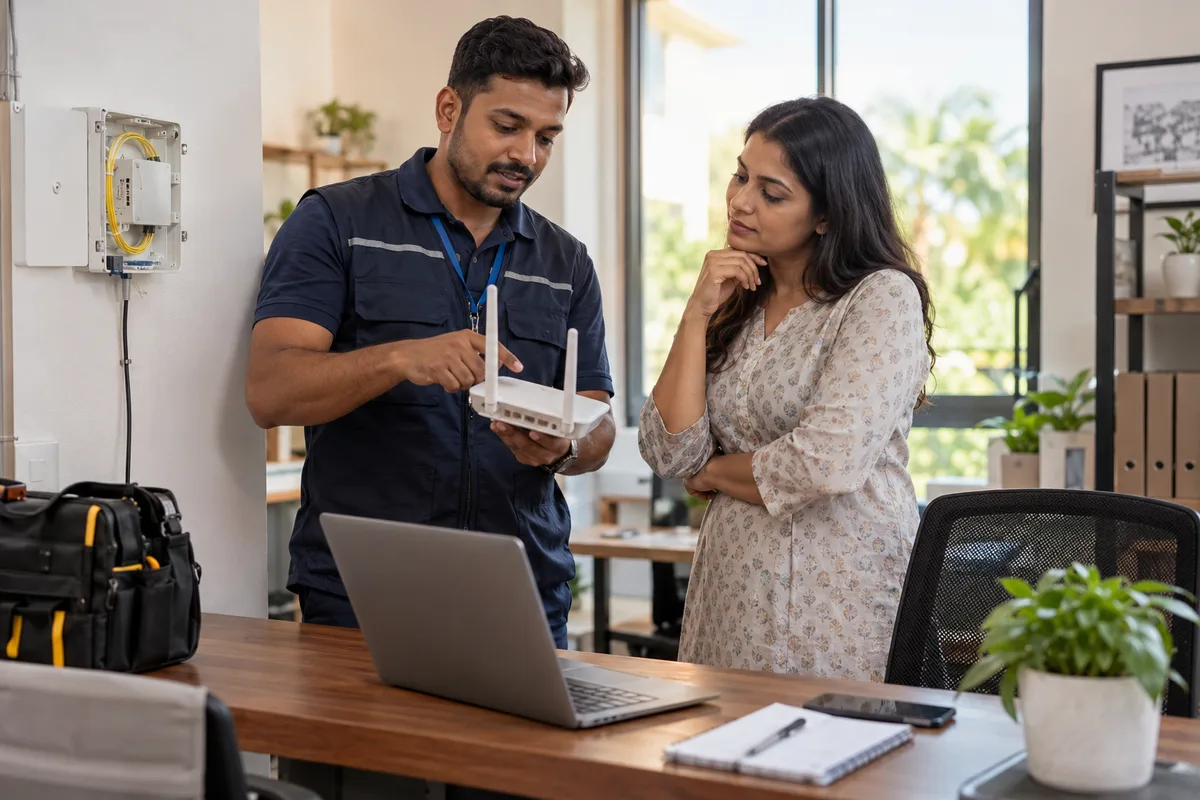
What follow up systems means
A follow-up system is the set routine for calling, messaging or emailing an enquiry more than once, since most buyers do not decide on the first conversation. GullySales sets the number and timing of follow-ups so an undecided buyer keeps hearing from you until they decide either way.
Also for telecom equipment manufacturers
- Lead generation for telecom equipment manufacturers
- CRM for telecom equipment manufacturers
- SEO for telecom equipment manufacturers
- Social media marketing for telecom equipment manufacturers
- Content marketing for telecom equipment manufacturers
- Buyer personas for telecom equipment manufacturers
- WhatsApp marketing for telecom equipment manufacturers
- Digital marketing for telecom equipment manufacturers
Sales and marketing for telecom equipment manufacturers, the overview.
Last updated 18 Oct 2026.
For telecom equipment manufacturers
Where it usually goes wrong, and what we would do.
“A sample without a follow-up date is a gift”
A unit sent to a lab is easy to forget once it ships. A buyer who never hears from you again assumes you are not serious, and the unit stays on a shelf. A date to ask for the result keeps it alive.
“Quotes go quiet in procurement”
After a quote, the purchase desk compares it with others and moves slowly. A polite check that offers a technical clarification or a reference keeps you in the comparison without pressing.
“Registration forms stall between departments”
A vendor registration passes through finance, quality and purchase. Without someone on your side who asks which desk holds it, the form sits until the buyer needs a supplier urgently and finds another.
“Approved buyers need contact between orders”
After approval, a buyer is not thinking about you until a fault or a rollout. A light touch, such as a note on a new model or a check on how the last batch is running, keeps your name current.
What we do
What we deliver for telecom equipment manufacturers.
Every deliverable, what it covers for you, and the result it is there to produce. Nothing here is an extra.
Follow-up map by stage
For each stage from sample to repeat order, who follows up, what they ask and when the next check falls.
Result: Each open sample, quote or form has a named person and a next date.
Message templates
Short notes for result requests, quote checks, registration queries and post-delivery calls, written for a technical buyer.
Result: Your team does not start from a blank screen when following up.
Reminder setup
Reminders in your CRM or calendar tied to each stage, so a due check appears without anyone remembering.
Result: Overdue follow-ups show up in a list.
Stalled-deal review
A regular look at deals that have not moved, with a decision to push, pause or close each.
Result: Dead deals leave the pipeline and live ones get attention.
Post-delivery check-ins
A routine for contacting buyers after a batch, to learn about faults and the next rollout.
Result: Each recent buyer has a recorded conversation about how the batch performed.
How the result is measured
- Follow-up completion rate
- Average number of follow-ups before close
- Enquiries closed after repeat follow-up
Recorded as a baseline before work starts, so every later report has an honest comparison.
What to capture or send
Moments in an evaluation and an order that need a message or a call.
- Sample dispatched
- A message to the tester with the serial numbers, the setup note and the engineer to call. The date for a result is agreed in this message.
- Result due date reached
- A reminder to ask for the test result on the date written down at dispatch. The sales owner makes the call, not the factory.
- Quote with procurement
- A note of the date sent, the buyer's contact and the next step. A quote that no one chases goes quiet in the buyer's queue.
- Registration form pending
- A line on the shared list showing which department holds it. It makes a stalled form visible before the deadline.
- Order delivered
- A message after delivery asking if the units have reached and are installed. It catches a transit fault before it becomes a complaint.
- Between-order check-in
- A note to an approved buyer with a product update or a new model. Link it to the rollout plan the buyer shared.
Who it is for
This is written for these telecom equipment manufacturers.
- Optical networking equipment makers for ONTs, OLTs and media converters
- Router, switch and customer-premises equipment manufacturers
- Antenna, RF and wireless link equipment makers
- Telecom power system and battery backup manufacturers
- Fibre cable, closure and passive component makers
- Tower accessories and outdoor enclosure manufacturers
- Telecom test and measurement instrument makers
- Contract manufacturers building telecom products for other brands
Not for
It is not the right fit if.
- No one in the team owns a sample once it has left the plant, so a reminder would fire with no one to act.
- Your buyers deal through a single tender process, and personal follow-up is barred by the operator's rules.
- The company has no engineer who can answer a tester's technical question, and a call would only create another question.
How it works
How the follow up systems work runs
The work itself, in order. How an engagement starts, from your brief to a written scope, is set out on our method page.
- 1
Measure today's reply time
From your recent enquiries, we set the time each arrived against its first reply, using the call log, chats, form entries and portal panel. We also count the follow-ups each one got.
- 2
Agree targets and the sequence
We set reply targets and the follow-up sequence with your team, based on its real hours and workload.
- 3
Write the templates and first-call questions
The first reply, the quote follow-up and the last attempt are written in your voice and loaded as quick replies. The first-call questions are agreed with your best salesperson.
- 4
Set ownership, tasks and alerts
Named owners, cover for leave and CRM or sheet tasks go live. App alerts, such as IndiaMART's, are switched on for the right phones.
- 5
Track and adjust
Reply time and follow-up completion are reported against the baseline, and the routine is changed where it is not kept. How often you are reported to is agreed in writing.
Where this fits
Three pieces of sales work, in this order.
This work sits inside sales process design, at stage 2, qualification. The audit comes before it, and sales management keeps it running.
Step 1
Sales audit
Find where deals are being lost and what to fix first.
Start here if you cannot say where orders are lost.
Step 2 · you are here
Sales process design
One written way to sell, from first enquiry to repeat order.
Start here if every salesperson sells differently.
Step 3
Sales management
A target, a review routine and someone who owns the number.
Start here if the team has targets and no routine.
FAQ
Questions owners ask before they call.
Not here? More answers, or ask on WhatsApp.
How often should we follow up?
What if the tester never replies?
What if the operator bars contact during a tender?
Who in the company should make the follow-up call?
How much does it cost?
How long is the contract?
How soon will we see results?
Who will actually do the work?
What do you need from us?
What if we are not happy with the work?
More for telecom equipment manufacturers
Everything else we would do for you.
Closest to this: leads and follow-up
Also for telecom equipment manufacturers
- SEO for telecom equipment manufacturers
- Social media marketing for telecom equipment manufacturers
- Content marketing for telecom equipment manufacturers
- Buyer personas for telecom equipment manufacturers
- WhatsApp marketing for telecom equipment manufacturers
- Digital marketing for telecom equipment manufacturers
Or start from the overview: sales and marketing for telecom equipment manufacturers.
Your next practical step
Tell us what you are trying to grow, and we will read it before we call.
Eight short steps, mostly taps. Skip anything you would rather answer on the call.