Beauty product brands · Experiential marketing
Let shoppers swatch, smell and try the product before they decide whether to buy it.
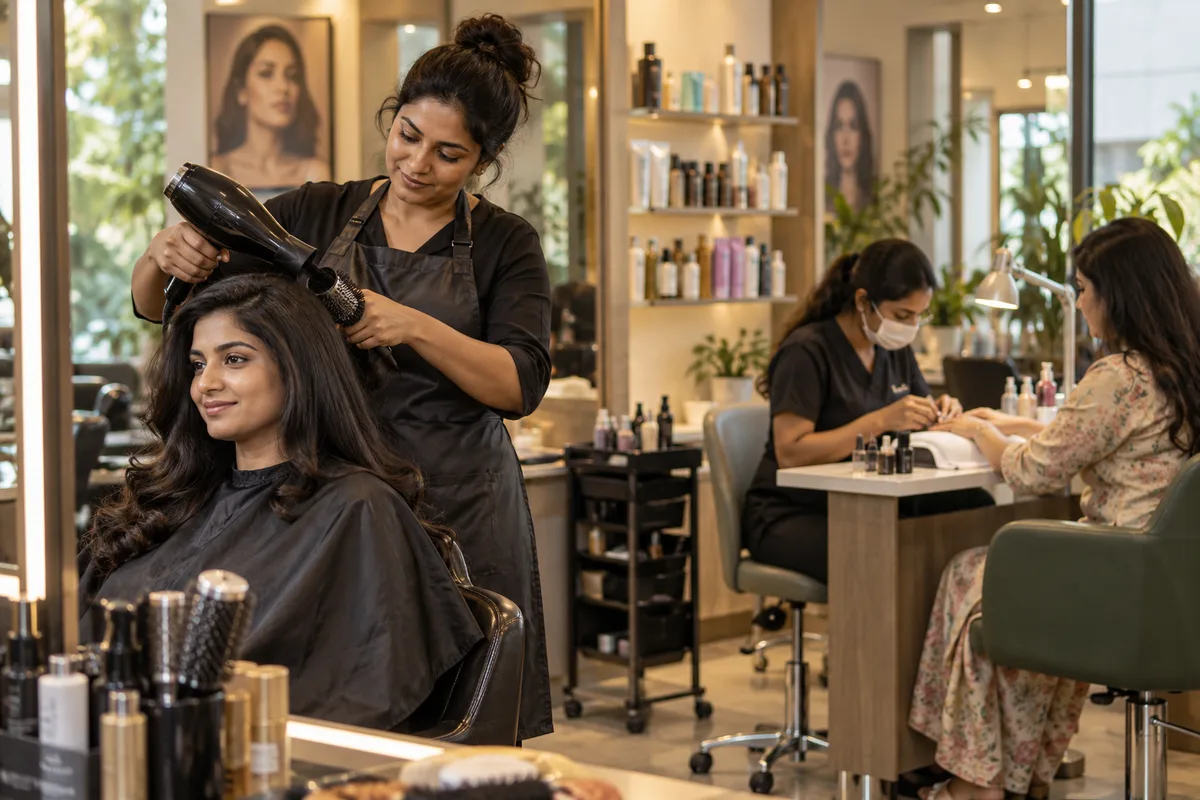
Experiential marketing for a beauty label is a counter, pop-up or salon session where a shopper tries the product on skin or hair instead of reading about it. GullySales plans the stand, the staff script, the consent wording on the lead form and the follow-up, so each trial reaches a named person on your team.
Scope, fee, reporting and term are agreed in writing after we have read your brief and spoken to you.
What experiential marketing means
Experiential marketing puts your product in people's hands at a pop-up, demo corner, test drive or interactive stand, so they decide after taking part. GullySales plans the experience, the permissions in general terms, the staff brief, lead capture and the follow-up that turns visitors into conversations.
Also for beauty product brands
- Lead generation for beauty product brands
- SEO for beauty product brands
- Social media marketing for beauty product brands
- Content marketing for beauty product brands
- Buyer personas for beauty product brands
- CRM for beauty product brands
- Follow-up systems for beauty product brands
- WhatsApp marketing for beauty product brands
Sales and marketing for beauty product brands, the overview.
Last updated 18 Oct 2026.
For beauty product brands
Where it usually goes wrong, and what we would do.
“Trying a product on the face is a decision”
A shopper with sensitive skin hesitates to test a new cream at a mall stand. A hand swatch, a sealed single-use sample and an ingredient list in plain view let the shopper choose how far to go. Staff point anyone with a skin condition to their own doctor.
“Shared testers put shoppers off”
A lipstick tester passed from hand to hand makes a careful buyer step back. Disposable applicators, wipes and a clean surface belong in the kit list, and a person on the stand is named to keep them stocked.
“The promoter becomes the brand”
A hired promoter eager to close a sale may invent a result or promise a cure for acne. The script holds approved answers on ingredients, use and price, and a plain rule on what staff never say about skin, hair or results.
“The sample leaves and nobody writes”
A shopper takes a sachet, enjoys it and forgets the name. Without a consented record of who tried what, the stand ends when the table is folded. A short form and a WhatsApp note about where to buy the full size keep the conversation open.
What we do
What we deliver for beauty product brands.
The work available for this need. We agree the deliverables and responsibilities for your engagement in writing.
Experience brief
One page stating who the stand is for, what they try, whether it suits a mall, a salon, a college fest or a housing society, and the next step you want a visitor to take.
Result: Every choice about layout and staff can be checked against the brief.
Venue shortlist and permission record
Venues with the approving person named, and a written record of space, dates, power, branding and any fee. You hold the booking and sign any agreement.
Result: Nothing is built before the venue's approval is on paper.
Tester and hygiene kit list
Products, sample sachets, applicators, wipes, mirrors, signage and spares, with a walk-through of the venue before fabrication.
Result: The kit can be counted against the list at set-up and at close.
Staff script and claims rule
A role sheet for each person on the stand, approved answers on ingredients and price, and a list of statements staff must not make. We rehearse it with them.
Result: Anything a promoter says can be checked against a written script.
Consent lead form and follow-up drafts
A short form recording name, product tried and agreed next step, with wording on why details are taken, reviewed by your own adviser. Message drafts are grouped by what the visitor tried.
Result: Each consented visitor has a named owner and a first message ready.
How the result is measured
- Visitors who took part against visitors who passed
- Consented leads, with the stated need
- Test drives, demos or trials booked
Recorded as a baseline before work starts, so every later report has an honest comparison.
Who it is for
This is written for these beauty product brands.
- Skincare brands for face serums, moisturisers and sunscreens
- Haircare and hair oil brands
- Colour cosmetics labels for lips, eyes and face
- Ayurvedic and herbal personal care brands
- Men's grooming and beard care brands
- Baby and mother care brands
- Fragrance, attar and body mist labels
- Professional and salon-only ranges
- Direct-to-consumer brands sold only online
Before you decide
Agree the work. Know how to judge it.
Experiential marketing for beauty brands: use these checks to prepare, choose the scope, and review what changes.
Bring the right evidence
State the buyer group, catchment, and dates that matter to the offer. Ask for the proposed inventory and available evidence about its audience, with the source and date shown.
Make the scope clear
Agree the exact placements, formats, booking period, and proof of delivery. Separate media charges from design, production, permissions, and installation where these apply.
Check the work in use
Compare delivery evidence with the agreed booking and record enquiries through a distinct response route where practical. Treat audience estimates separately from measured responses.
Know when to change course
Do not buy a placement only because it is discounted. If the location or audience does not fit the buyer, revisit the plan before committing production costs.
These are discussion points, not a fixed package. GullySales confirms the deliverables, responsibilities, fee, and term in writing after reading your brief and speaking with you.
How it works
How the experiential marketing work runs
The work itself, in order. How an engagement starts, from your brief to a written scope, is set out on our method page.
- 1
Requirements brief
We agree the buyer, the product, the action wanted and the budget you will approve. Scope, fee and term are set in writing after this and a first conversation.
- 2
Experience and venue plan
We draft the experience and approach venues. You approve the plan and the venue cost before any booking.
- 3
Permissions and set-up
You hold the booking and sign any agreement with the venue. We prepare the requests, the layout and the kit list, and check the set-up against the venue's conditions.
- 4
Staff briefing and rehearsal
We brief and rehearse your staff or the hired promoters. Product, script, consent wording and the lead form are tested before opening.
- 5
Running the stand
A supervisor checks set-up, script and records through each day. Problems are fixed on the day, not noted for later.
- 6
Handover and review
Leads go to your sales team with the need and product tried. We review the log with you, and you decide whether to repeat, move or stop.
Where this fits
Three pieces of sales work, in this order.
This work sits inside sales process design, at stage 0, foundation. The audit comes before it, and sales management keeps it running.
Step 1
Sales audit
Find where deals are being lost and what to fix first.
Start here if you cannot say where orders are lost.
Step 2 · you are here
Sales process design
One written way to sell, from first enquiry to repeat order.
Start here if every salesperson sells differently.
Step 3
Sales management
A target, a review routine and someone who owns the number.
Start here if the team has targets and no routine.
FAQ
Questions owners ask before they call.
Not here? More answers, or ask on WhatsApp.
Can we hand out sample sachets at the stand?
Where does a beauty stand work best?
Can a stand give us sales figures?
How much does it cost?
How long is the contract?
How soon will we see results?
Who will actually do the work?
What do you need from us?
What if we are not happy with the work?
More for beauty product brands
Related work to consider.
Or start from the overview: sales and marketing for beauty product brands.
Your next practical step
Tell us what you are trying to grow, and we will read it before we call.
Eight short steps, mostly taps. Skip anything you would rather answer on the call.