Homeopathy clinics · Content marketing
Write what the doctor says in the room so the patient hears it before arriving.
Content marketing for a homeopathy clinic is the writing of articles, guides and messages that answer what patients ask the doctor, so the answer is on hand before the first visit. GullySales works on drafting these from the doctor's own explanations and checking them against the rules that apply.
Scope, fee, reporting and term are agreed in writing after we have read your brief and spoken to you.
What content marketing means
Content marketing is writing articles, guides and pages that answer the questions buyers search before they are ready to enquire. This makes your business visible and trusted before the first call. GullySales plans this content from the first conversation onward, choosing topics that match real search demand rather than guesses.
Last updated 14 Nov 2026.
For homeopathy clinics
Where it usually goes wrong, and what we would do.
“The best content is already in the doctor's head”
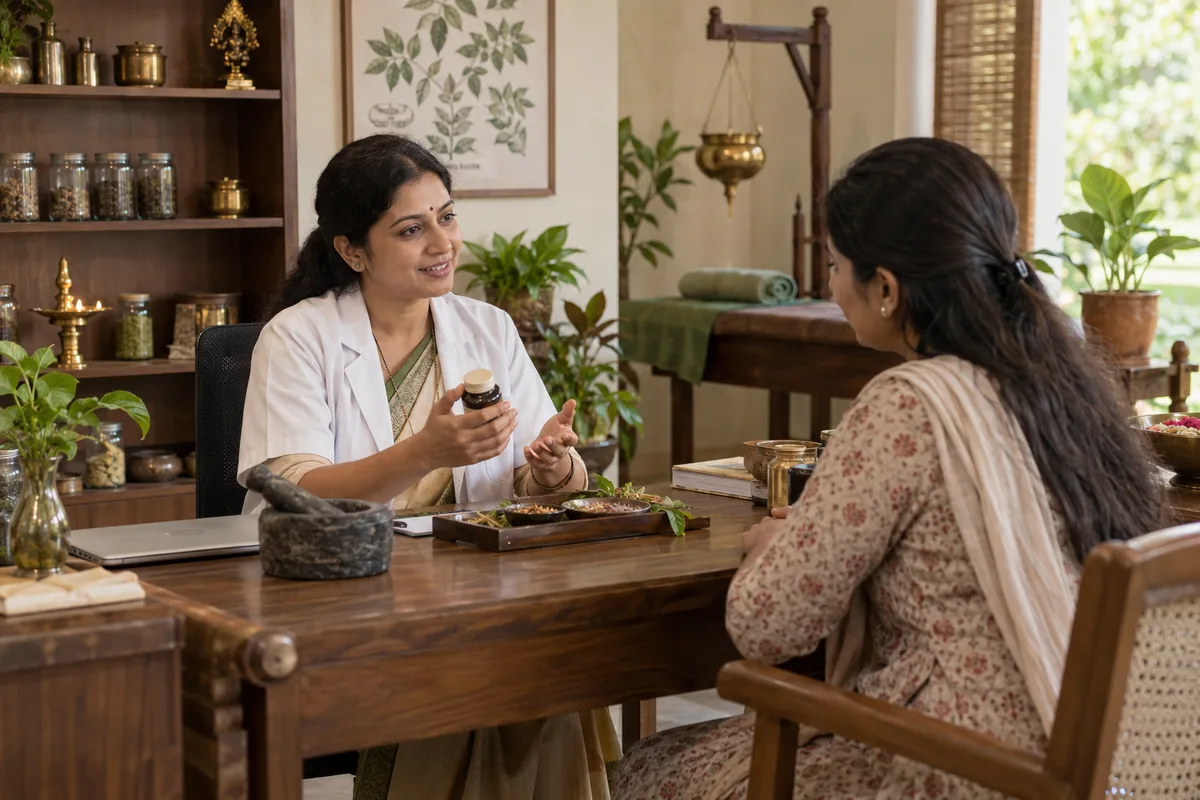
Every day the doctor explains why case taking is long, why the medicine is reviewed and why a child may need a different approach from a parent. Writing those answers down once gives the clinic content no copied article can match.
“Copied remedy lists do harm”
Sites that paste long lists of remedies and diseases invite cure claims, repeat what other sites say and teach a reader nothing about this doctor. A clinic that explains its own method stands apart and keeps within advertising rules.
“Patients need help between visits”
Treatment runs across repeated visits, and a patient who forgets what was said drifts away. A short written guide to what to note before a review, and when to call, keeps the relationship going between appointments.
“A guide for the referrer is content too”
A paediatrician or chemist who is asked for a homeopath wants a page they can trust and share. A plain description of what the clinic treats, how a first consultation works and how to refer a patient serves them.
What we do
What we deliver for homeopathy clinics.
The work available for this need. We agree the deliverables and responsibilities for your engagement in writing.
A list of questions patients really ask
Questions gathered from the front desk and the doctor, grouped by family of complaints and by stage of the treatment.
Result: The content plan starts from what patients ask rather than what is trending.
Articles written from the doctor's explanations
Each article drafted from a conversation with the doctor, then read back by the doctor for accuracy, with cure language removed.
Result: The doctor recognises their own method on the page.
A first-visit guide
A short guide on the length of the visit, the case history, the records to bring and what happens at the review.
Result: A patient arrives having read what to prepare.
A between-visits note
A short message the front desk can send before a review, reminding the patient what to observe and note.
Result: The patient comes to the review with something to say.
A referrer's page
A page for doctors and chemists describing the clinic, the first consultation and how to pass on a patient.
Result: A referrer has something to share beyond a phone number.
How the result is measured
- Pages published
- Organic traffic
- Enquiries from content pages
Recorded as a baseline before work starts, so every later report has an honest comparison.
Posts and pieces to plan
Write the answers the doctor already gives in the room.
- Why case taking takes so long
- A written explanation in the doctor's words of what is asked and why, with a photograph of the consulting room, no claim of result.
- What to bring to a first visit
- A one-page checklist of earlier reports, a list of current medicines and a note on the complaint, built for a parent or a working adult.
- How a child's visit differs
- A short guide on what the doctor observes in a child, how a parent can prepare and how the visit is paced around school.
- What a review visit is for
- A between-visits note telling a patient what to jot down and when to call, which keeps a long plan from fading.
- A note for referring doctors
- A single page for GPs and paediatricians on how the clinic works and what it does and does not claim, so referrals come with the right expectation.
Who it is for
This is written for these homeopathy clinics.
- Single-doctor family homeopathy clinics
- Homeopathy clinics for children and for recurring complaints
- Homeopathy skin and hair clinics
- Homeopathy clinics for women's health
- Homeopathy practices that consult online and send medicines by courier
- Multi-branch homeopathy clinic chains
- Homeopathy clinics inside integrated or multi-speciality centres
- Homeopathy pharmacies with a consulting doctor
Before you decide
When this may not be the right fit.
- The doctor has no time to review a draft, and an unchecked article about treatment is a risk to the registration.
- You plan to copy remedy lists and disease descriptions from other sites, which adds nothing and invites cure claims.
- The clinic has no way to answer a reader who writes in after an article, so the piece would end in a dead end.
Before you decide
Agree the work. Know how to judge it.
Content marketing for homeopathy clinics: use these checks to prepare, choose the scope, and review what changes.
Bring the right evidence
Bring questions from sales calls and examples of objections that delay a decision. Choose a subject expert who can check the substance, and identify evidence that can be published.
Make the scope clear
Agree the reader, buying question, format, and distribution route for each piece. Set the approval process and distinguish new research from rewriting material you already have.
Check the work in use
Ask a colleague to use the draft in a real buyer conversation. It should answer the question, support its claims, and make the next step clear without requiring a sales pitch to explain it.
Know when to change course
If the same unanswered question appears in several articles, improve the strongest page before commissioning another. More words are not a substitute for missing evidence.
These are discussion points, not a fixed package. GullySales confirms the deliverables, responsibilities, fee, and term in writing after reading your brief and speaking with you.
Before we start
What to have ready before the work starts.
The records, access and decisions this work needs from homeopathy clinics. Anything missing is noted in the written scope, with who will supply it.
- A recorded conversation with the doctor
- A phone recording of the doctor explaining the first visit, the review and the routine gives us real sentences. Without it, the writer fills the gap with common phrases, and the guide does not sound like your clinic.
- The questions the desk answers repeatedly
- Ask the front desk to note the repeated questions over a short spell, or list them from memory. These shape the topics. If the list is missing, the first guides answer guesses and may miss what patients really need.
- Your own first-visit instructions
- Whatever the clinic already tells new patients, such as what to bring, who may come and how to book, should be handed to us even if it is only a handwritten note. It is the base for the guide and keeps the facts true.
- A reader for advertising wording
- Name the adviser who will read each piece before it is shown to a patient. Guides on health topics carry rules, and the writer cannot decide them. If there is no reader, pieces stay to the visit and the routine.
How it works
How the content marketing work runs
The work itself, in order. How an engagement starts, from your brief to a written scope, is set out on our method page.
- 1
Sit with the doctor and list patient questions
We spend a session with the doctor and the front desk, writing down what patients ask before, during and between visits: how long the first visit is, what to bring, how reviews run, what happens when medicines finish. Each question is marked as one the doctor answers well. The list becomes the plan for the guides, and the doctor sees it before any writing starts.
- 2
Pick the first guides and approve the brief
You and the doctor choose a first-visit guide, a between-visits note and a short guide for those who send relatives. For each we write a one-page brief naming the reader, the questions and the doctor's own points. You approve the brief before any drafting begins.
- 3
Draft from the doctor's spoken explanation
The doctor explains each topic aloud, and we write it in plain sentences, without copying remedy lists from anywhere. The draft goes to the doctor for accuracy and to your adviser for advertising rules, and it is read aloud once by the front desk, because a sentence that the desk stumbles over will confuse a patient who reads it on a phone. Nothing leaves the clinic that describes what a medicine will do for a condition.
- 4
Publish and place the guides where patients look
The guides go on the website, in the WhatsApp saved replies and on a printed card at the desk, and the first-visit guide is also sent to the patient once an appointment is booked. The front desk learns which guide answers which question, and the doctor keeps a copy in the consulting room so a patient who asks something already covered can be handed the card instead of a second explanation. What exists afterwards is a set of pieces the staff can hand over without asking the doctor.
- 5
See which guides the desk used and revise
We ask the front desk which guides patients asked for, and which questions still reach the doctor. Those are set against the questions noted at the start. You decide which guide to rewrite and which new question deserves a page.
Where this fits
Three pieces of sales work, in this order.
This work sits inside sales process design, at stage 0, foundation. The audit comes before it, and sales management keeps it running.
Step 1
Sales audit
Find where deals are being lost and what to fix first.
Start here if you cannot say where orders are lost.
Step 2 · you are here
Sales process design
One written way to sell, from first enquiry to repeat order.
Start here if every salesperson sells differently.
Step 3
Sales management
A target, a review routine and someone who owns the number.
Start here if the team has targets and no routine.
FAQ
Questions owners ask before they call.
Not here? More answers, or ask on WhatsApp.
Who checks the content for accuracy?
Can articles describe how remedies work?
What number of articles do we need?
Can an article explain how a remedy acts in the body?
How many guides does the clinic need?
Can the guides talk about diet and lifestyle?
How much does it cost?
How long is the contract?
How soon will we see results?
Who will actually do the work?
More for homeopathy clinics
Related work to consider.
Closest to this: content and social
Also for homeopathy clinics
Or start from the overview: sales and marketing for homeopathy clinics.
Your next practical step
Tell us what you are trying to grow, and we will read it before we call.
Eight short steps, mostly taps. Skip anything you would rather answer on the call.