Integrated wellness centres · Buyer persona
Write down who walks in, what brought them and who else weighs in.
A buyer persona for an integrated wellness centre describes one kind of visitor: the concern that brought them, what they fear and who influences the decision. GullySales builds a persona for each concern you lead with, from your own bookings and conversations.
Scope, fee, reporting and term are agreed in writing after we have read your brief and spoken to you.
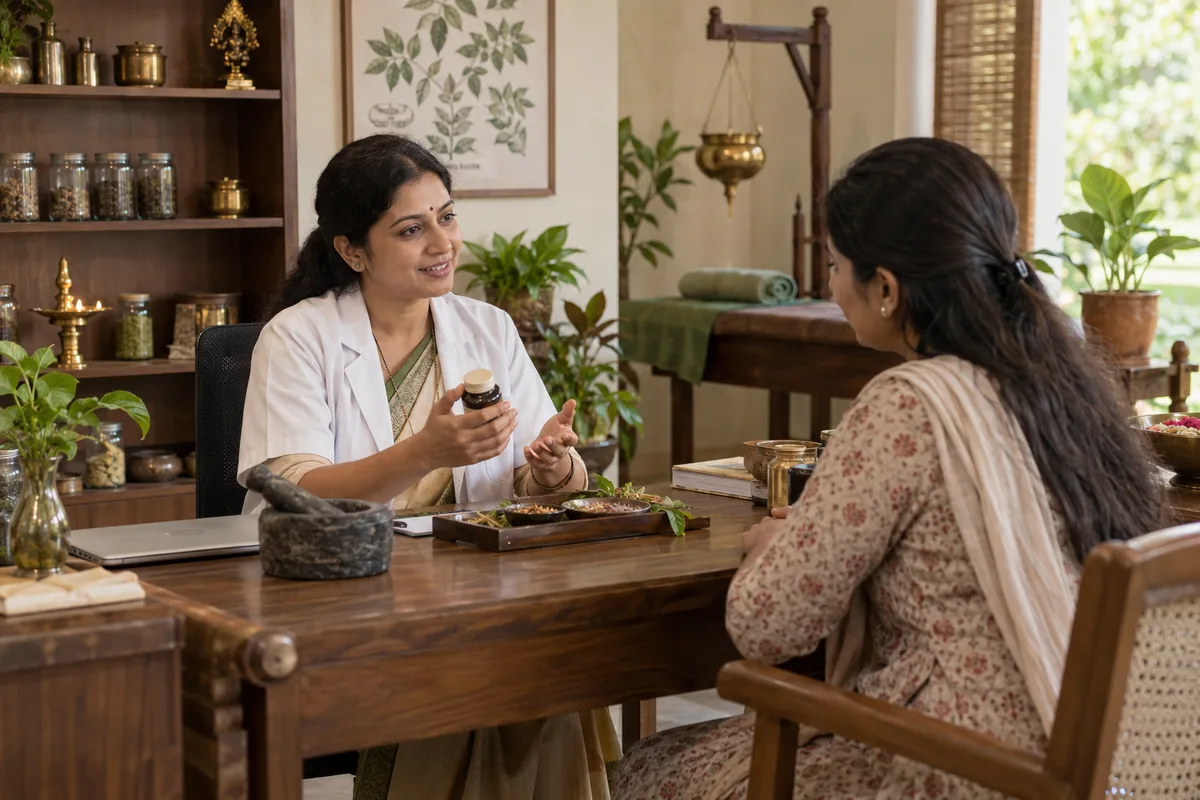
What buyer persona means
A buyer persona is a plain description of the kind of customer who actually buys from you. It includes what they search, what worries them and who else they ask before deciding. GullySales builds this from real enquiries and past sales rather than a generic template, then uses it to write every page and advert.
Also for integrated wellness centres
- Digital marketing for integrated wellness centres
- Lead generation for integrated wellness centres
- SEO for integrated wellness centres
- Local SEO for integrated wellness centres
- Social media marketing for integrated wellness centres
- Content marketing for integrated wellness centres
- CRM for integrated wellness centres
- Follow-up systems for integrated wellness centres
Sales and marketing for integrated wellness centres, the overview.
Last updated 14 Nov 2026.
For integrated wellness centres
Where it usually goes wrong, and what we would do.
“The stressed professional wants a short, private first step”
This visitor books late, worries about time and wants to know what a single session involves. A page that names the session, its length and its fee fits better than a menu.
“The senior's family decides together”
A parent with a lifestyle condition may come because a son or daughter researched the centre. The family reads reviews and asks about safety, staff and travel before anyone books.
“The woman looking for a women-focused space asks about privacy first”
A visitor seeking women's wellness wants to know who the therapists are and whether the space is private. Answering that before pricing earns the booking.
“The company HR contact is a different buyer altogether”
A workplace wellness enquiry comes from an HR contact with a budget, a head count and a need for a sample agenda. The pitch for an individual does not speak to that buyer.
What we do
What we deliver for integrated wellness centres.
The work available for this need. We agree the deliverables and responsibilities for your engagement in writing.
A persona card for each priority concern
One card per concern, listing who the visitor is, what started the search and what worries them.
Result: A card the desk can read before replying.
Questions drawn from your own bookings
The cards built from intake forms, WhatsApp chats and the reasons people give for stopping.
Result: Every line on a card traces to something your centre has seen.
The family and employer decision maker map
A note for each persona of who else influences the choice, such as family members, doctors or HR.
Result: You know whom the message must also satisfy.
Message wording per persona
Opening lines and replies written for each card.
Result: The desk uses different words for different visitors.
A drop-out review
A look at people who booked once and did not return, to test whether the cards match.
Result: A list of cards to revise.
A check against the diary
A comparison of each card with the real bookings of the last season, by concern and by slot.
Result: Cards that match the people who actually book.
How the result is measured
- Enquiry match to persona
- Conversion rate by persona
- Content aligned to persona
Recorded as a baseline before work starts, so every later report has an honest comparison.
Who is asking
Write a persona for each person who might book a first session.
- Stressed working professional
- Wants a short, private first step near the office or home, and a clear price before any conversation.
- Adult child booking for a parent
- Wants a calm pace, a seat for waiting family and someone who speaks the parent's language.
- Woman seeking a women-focused space
- Asks first about privacy, who the practitioners are and whether the slot is women-only.
- Company HR contact
- Wants an outline of the seated session or workshop, what the company must provide and who attends.
- Referral from a doctor or physiotherapist
- Wants to know which sessions complement the professional's advice and who to speak to at the centre.
Who it is for
This is written for these integrated wellness centres.
- Multi-therapy centres combining yoga, ayurveda and naturopathy
- Integrative clinics with doctors and therapists working together
- Women-focused wellness centres
- Senior and lifestyle-condition wellness centres
- Wellness centres inside gated communities or apartment complexes
- Wellness studios attached to a gym or a spa
- Centres focused on stress, sleep and back care
- Corporate wellness providers working from a base centre
Before you decide
When this may not be the right fit.
- You have not yet spoken to a client about why they came, so a persona would be a guess.
- You offer one therapy to one kind of client, so several personas would add pages with no reader.
Before you decide
Agree the work. Know how to judge it.
Buyer personas for integrated wellness centres: use these checks to prepare, choose the scope, and review what changes.
Bring the right evidence
Write the decision the research must support, such as entering a market or choosing a buyer group. Separate what you know from sales records from what the team currently assumes.
Make the scope clear
Agree which buyers to speak to, which sources to review, and what access you can provide. Include lost enquiries and people who chose another supplier, where they are willing to take part.
Check the work in use
Look for source dates, sample limitations, and evidence that disagrees with the preferred answer. A recommendation should show how it follows from the findings.
Know when to change course
Do not treat a few positive conversations as proof of demand. Test the proposed offer with an actual buying decision before committing to a wider launch.
These are discussion points, not a fixed package. GullySales confirms the deliverables, responsibilities, fee, and term in writing after reading your brief and speaking with you.
Before we start
What to have ready before the work starts.
The records, access and decisions this work needs from integrated wellness centres. Anything missing is noted in the written scope, with who will supply it.
- Records of recent first visits
- The diary pages or system export for recent first visits, with the concern and source recorded where known. These ground each persona in real people. If the notes are thin, we interview the desk more and mark the cards as provisional until more bookings are recorded.
- Two clients willing to talk briefly
- Two clients who joined within the last year and agree to a short chat at the centre, with no pressure from the therapist. They give the reasons that records cannot. If no client agrees, the cards rely on desk interviews and are flagged as less certain.
- The desk's list of first questions
- A page of the things new visitors ask on arrival, from parking to whether a session suits a person with a knee problem. The desk knows these better than anyone. Without it, the cards describe motives but not the exact fears that delay a booking.
- A list of corporate and family bookers
- Any record of bookings made by an employer, a human resources team, a spouse or an adult child for someone else. These buyers are a different persona. If none exist, we note that gap, and the corporate or family card is built as a possibility, not a fact.
- The senior therapist's honest view
- A conversation with the senior therapist about which clients the centre serves best, and which it struggles to help. This view sets the order of the cards. If the therapist is not available, the manager's opinion stands in, and the cards are reviewed again when the therapist can be asked.
How it works
How the buyer persona work runs
The work itself, in order. How an engagement starts, from your brief to a written scope, is set out on our method page.
- 1
Choose which visitor to understand first
We ask the manager and the senior therapist which kind of visitor the centre wants more of, such as a person with a desk job and a stiff back, or a woman looking for a private space. You decide on two or three. Each gets a working name used only inside the centre, and the others wait. What exists afterwards is a narrow brief, not a long list.
- 2
Pull ten recent first visits from the diary
From the diary and the desk notebook we pick recent first visits that fit each chosen visitor, and note the concern, the source, the therapist asked for, the package chosen and whether they returned. You remove any record you would rather not share. Names are replaced with codes, so no client can be recognised from what we write.
- 3
Speak with the desk and two clients
We ask the receptionist what visitors ask first and what stops them booking. With the clients' consent, we ask two long-standing clients why they chose the centre, who they discussed it with and what nearly put them off. The conversations are brief and held at the centre. You read the notes before we use anything.
- 4
Mark who else sits in the decision
For each persona, we write down who influences the booking: a spouse, an adult child, a doctor, a friend on the same housing society floor, or the company's human resources contact. You correct us where the diary shows otherwise. This is what changes the wording of a page, because it is written for more than one reader.
- 5
Check each card against the diary
We hold each persona card against the first-visit records and ask whether a real client matches it. Details that fit nobody are dropped. You and the senior therapist correct what is wrong or too neat. The cards are rewritten until the desk says that is the person who walks in.
- 6
Apply the cards to pages and replies
We show where each card changes a page heading, a reply on WhatsApp, a first-visit message or a reminder, and you choose where to start. Later we compare drop-outs and returning visits for each persona with the starting diary. We state what the records show and make no forecast of bookings.
Where this fits
Three pieces of sales work, in this order.
This work sits inside sales process design, at stage 0, foundation. The audit comes before it, and sales management keeps it running.
Step 1
Sales audit
Find where deals are being lost and what to fix first.
Start here if you cannot say where orders are lost.
Step 2 · you are here
Sales process design
One written way to sell, from first enquiry to repeat order.
Start here if every salesperson sells differently.
Step 3
Sales management
A target, a review routine and someone who owns the number.
Start here if the team has targets and no routine.
FAQ
Questions owners ask before they call.
Not here? More answers, or ask on WhatsApp.
How many personas do we need?
Are personas invented?
Can a persona replace talking to clients?
Are personas invented?
Do we need to call clients to build these?
How are health details kept private in a persona?
How much does it cost?
How long is the contract?
How soon will we see results?
Who will actually do the work?
More for integrated wellness centres
Related work to consider.
Closest to this: strategy and research
Also for integrated wellness centres
Or start from the overview: sales and marketing for integrated wellness centres.
Your next practical step
Tell us what you are trying to grow, and we will read it before we call.
Eight short steps, mostly taps. Skip anything you would rather answer on the call.