Panchakarma centres · Lead generation
Fill the programme calendar with guests who have read about the physician first.
Lead generation for a Panchakarma centre is the steady supply of guests who ask about a supervised programme and are ready for a consultation, not just a rate. GullySales works on where those enquiries come from, what the first reply carries, and how each one is recorded.
Scope, fee, reporting and term are agreed in writing after we have read your brief and spoken to you.
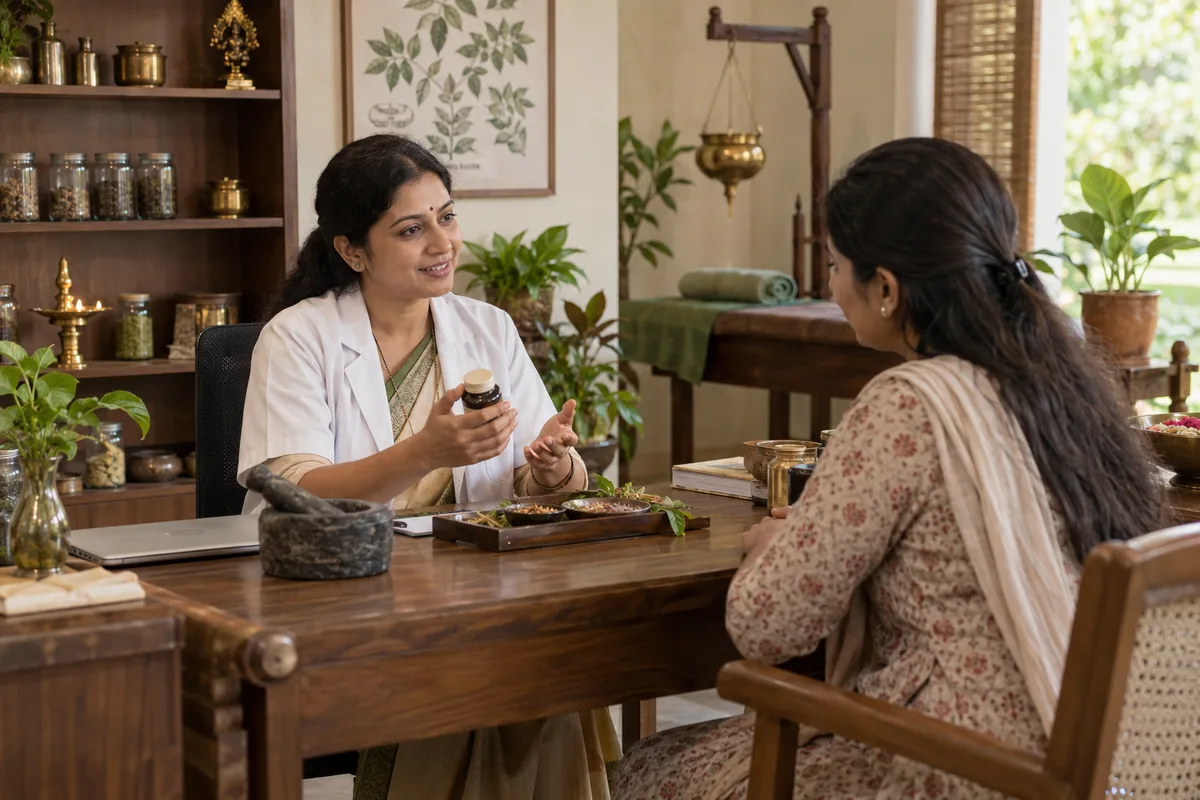
What lead generation means
Lead generation is the combined work of every channel that brings in a new enquiry, whether from search, adverts, referrals or a stall at an exhibition. GullySales runs these channels together and reports the number of enquiries each one produced, not the activity behind it.
Plan the next part of the work
Last updated 21 Nov 2026.
For panchakarma centres
Where it usually goes wrong, and what we would do.
“The enquiry arrives with a question about the price”
A guest who writes only to ask the rate is comparing, not choosing. The source of that message matters, because a guest who found the physician's page asks about the consultation, while one from a listing site asks about the cheapest room.
“Enquiries bunch around the season and leave the quiet weeks bare”
Karkidakam and the cooler months bring a rush that the desk cannot answer in time. The weeks after need their own audience, such as city residents who want a few day-care sessions near home.
“Agents bring guests the centre never meets”
A travel contact books the room and keeps the relationship. Each direct enquiry the centre earns on its own is a guest whose name, diet notes and return date the centre holds.
“A lead with no consultation date goes cold”
The guest is nervous about the procedures and waits for someone to name the next step. An enquiry that ends with a consultation slot moves; one that ends with a brochure sits in the phone.
What we do
What we deliver for panchakarma centres.
The work available for this need. We agree the deliverables and responsibilities for your engagement in writing.
A source list for every enquiry
Each enquiry is tagged by where it came from: search, Instagram, a referral from a doctor, a past guest or an agent.
Result: You can see which source brings guests who reach a consultation.
One landing page per programme
A page for each programme with the daily routine, the physician and a single enquiry form that asks for the guest's preferred dates.
Result: Each programme has its own address to send a campaign to.
A first reply that names the next step
A written reply that carries the physician, the programme outline and a consultation slot for the guest to accept.
Result: The desk answers every first enquiry with the same clear structure.
A quiet-week offer for local residents
A day-care package and a landing page pitched at the localities around the centre, run in the weeks when rooms are free.
Result: The empty weeks have a named audience and a page to send them to.
A shortlist of doctors who refer
A list of general practitioners and Ayurveda physicians in nearby cities, with a one-page referral note for the physician to send.
Result: You hold a named list of referrers and a note they can pass on.
How the result is measured
- Relevant enquiries by source
- Duplicate and unsuitable enquiries
- Time to the first response
- Accepted enquiries reaching an agreed next step
Recorded as a baseline before work starts, so every later report has an honest comparison.
What to capture or send
Each enquiry needs a few facts before the desk can book a consultation.
- Programme asked about
- Record whether the guest asked about a residential stay, a postnatal programme or a day-care session, so the reply names the right page and physician.
- Dates the guest can travel
- Note the window the guest has free. A residential programme needs the guest's days, and the desk should offer a room only for dates it can hold.
- Who referred the guest
- Mark a physician, a past guest, an agent or a search. It shows which source sends guests who book a consultation and which only ask a rate.
- Earlier course elsewhere
- Note that the guest has followed a course at another centre, so the physician reads the history first. Keep clinical detail for the consultation.
- Country and arrival route
- For guests from abroad, record the country, the arrival airport and any visa question, so the desk answers the travel part of the enquiry first.
- Consultation date offered
- Log the date offered and whether it was accepted. A lead with no date is only a conversation, and the sheet should show where each one stopped.
Who it is for
This is written for these panchakarma centres.
- Residential Panchakarma centres in Kerala, Karnataka and Tamil Nadu
- Day-care Panchakarma units inside city Ayurveda clinics
- Panchakarma wings of Ayurveda hospitals and colleges
- Ayurveda resorts that sell Panchakarma as a stay
- Small hill-station and coastal retreat centres
- Panchakarma centres that serve guests from abroad
- Corporate and group programme providers
- Postnatal and seasonal rejuvenation centres
Before you decide
When this may not be the right fit.
- No one at the desk can answer an enquiry on the same day, so more leads would arrive at a closed door.
- The physician has not agreed what the desk may say about a programme, so settle that wording before adding enquiries.
- Rooms are already full for the coming season, so additional leads would only be turned away.
Before you decide
Agree the work. Know how to judge it.
Lead generation for Panchakarma centres: use these checks to prepare, choose the scope, and review what changes.
Bring the right evidence
Define the organisations or buyers you can serve and the reasons they would consider a conversation. Bring examples of accepted and rejected prospects so the selection rule is visible.
Make the scope clear
Agree the research sources, contact approach, qualification rules, and handover. Clarify which meetings count as accepted and what happens to replies that are not ready to buy.
Check the work in use
Review why a prospect was selected and what was learned from the response. Count held, relevant conversations separately from contacts found, messages sent, or meetings booked.
Know when to change course
If the same objection appears repeatedly, adjust the offer or buyer group before increasing outreach. Respect a request to stop contact and keep the exclusion in the record.
These are discussion points, not a fixed package. GullySales confirms the deliverables, responsibilities, fee, and term in writing after reading your brief and speaking with you.
Before we start
What to have ready before the work starts.
The records, access and decisions this work needs from panchakarma centres. Anything missing is noted in the written scope, with who will supply it.
- The enquiry notebook for past seasons
- Whatever record shows who asked, when, about which programme and how they heard of you. Names can be hidden. We need it for the starting count. If the enquiries live only in staff phones, we ask the desk to copy them into one sheet first, and the comparison then covers only what could be recovered.
- A capacity note signed by the physician
- A written statement of rooms, therapists, start dates and closing weeks. Every choice about sources depends on it. If it is missing, we assume the smallest number the desk can serve well and plan a narrow first push, so that no guest is invited to a programme the centre cannot yet run.
- The agent and travel contacts list
- The names of agents, travel desks and referring doctors who send guests, with how each is paid or thanked. We use it to keep agent guests in their own column. If the list is not available, agent enquiries are marked by the desk from now on, and earlier ones stay unsorted.
- The programme fee schedule, written plainly
- A one-page list of what each programme includes, what is extra and what the deposit covers. The first reply and the landing pages refer to it. If the fee is not settled, we write pages without figures and ask guests to call, and the desk loses a point of clarity.
- A person who answers every new enquiry
- A named receptionist or coordinator who reads new messages and replies in the physician's tone. We test every source against that person. Without one, we hold back from adding sources, because an enquiry that waits cools faster than a guest who never asked.
How it works
How the lead generation work runs
The work itself, in order. How an engagement starts, from your brief to a written scope, is set out on our method page.
- 1
Open the enquiry sheet at the desk
We start with whatever the desk keeps: the notebook, the spreadsheet, the messages saved on the reception phone. You show us which enquiries became a consultation and which became a deposit. From that we count where guests came from over the past seasons, so the work begins from your own figures and not from an estimate of what other centres receive.
- 2
Decide what the rooms can take
You and the physician set the honest limits: rooms, therapists on a shift, programme start dates and the weeks the centre closes for upkeep. We write them as one capacity note. More enquiries than the rooms can serve only produce disappointed guests, so this note decides which sources we widen and which we leave alone.
- 3
Write one landing page for each programme
With the physician we choose the programmes worth sending guests to, and write a page for each in plain words: who prescribes it, what the first day holds and what the consultation covers. The physician reads every page and strikes any line that sounds like a promise about a condition. The pages become the places an enquiry first lands.
- 4
Draft a first reply with next step
We write the reply the desk sends when a guest asks about price. It names the physician, offers a consultation date and says what the deposit holds, so the guest has a step to take besides comparing rates. The desk reads it aloud, and you decide whether the fee appears in the first message or in the call.
- 5
Send test enquiries through each source
We submit trial enquiries from the website form, the map listing, the message button and an agent's referral, and watch what the desk does with each. We check that the source is written down, that the reply goes out in the physician's tone and that an agent's guest lands in a separate column. Faults found are mended before any push for more enquiries.
- 6
Read sources against the starting count
Once the routes are live we compare enquiries by source with the count taken from the sheet at the start: how many reached a consultation, how many paid a deposit and how many stayed. You decide which source to widen before the next season and which to drop. We record the figures as they are and promise no rise in enquiries.
Where this fits
Three pieces of sales work, in this order.
This work sits inside sales process design, at stage 1, prospecting and lead generation. The audit comes before it, and sales management keeps it running.
Step 1
Sales audit
Find where deals are being lost and what to fix first.
Start here if you cannot say where orders are lost.
Step 2 · you are here
Sales process design
One written way to sell, from first enquiry to repeat order.
Start here if every salesperson sells differently.
Step 3
Sales management
A target, a review routine and someone who owns the number.
Start here if the team has targets and no routine.
FAQ
Questions owners ask before they call.
Not here? More answers, or ask on WhatsApp.
Which leads are worth chasing for a Panchakarma centre?
Can we buy guest lists to find leads?
Should the first reply quote the programme fee?
Do agent enquiries belong on the same sheet?
Which of our local residents should we try to reach in the quiet weeks?
How long is the contract?
How soon will we see results?
Who will actually do the work?
What do you need from us?
What if we are not happy with the work?
More for panchakarma centres
Related work to consider.
Closest to this: leads and follow-up
Also for panchakarma centres
Or start from the overview: sales and marketing for panchakarma centres.
Your next practical step
Tell us what you are trying to grow, and we will read it before we call.
Eight short steps, mostly taps. Skip anything you would rather answer on the call.