Wellness retreats · CRM
Keep every enquiry, guest and preference in one list instead of your phone.
A CRM for a wellness retreat is a single record of each enquiry and guest: what they asked, which date they considered and whether they stayed. GullySales works on setting up a simple record in a tool you can keep up, and on the habits that keep it current.
Scope, fee, reporting and term are agreed in writing after we have read your brief and spoken to you.
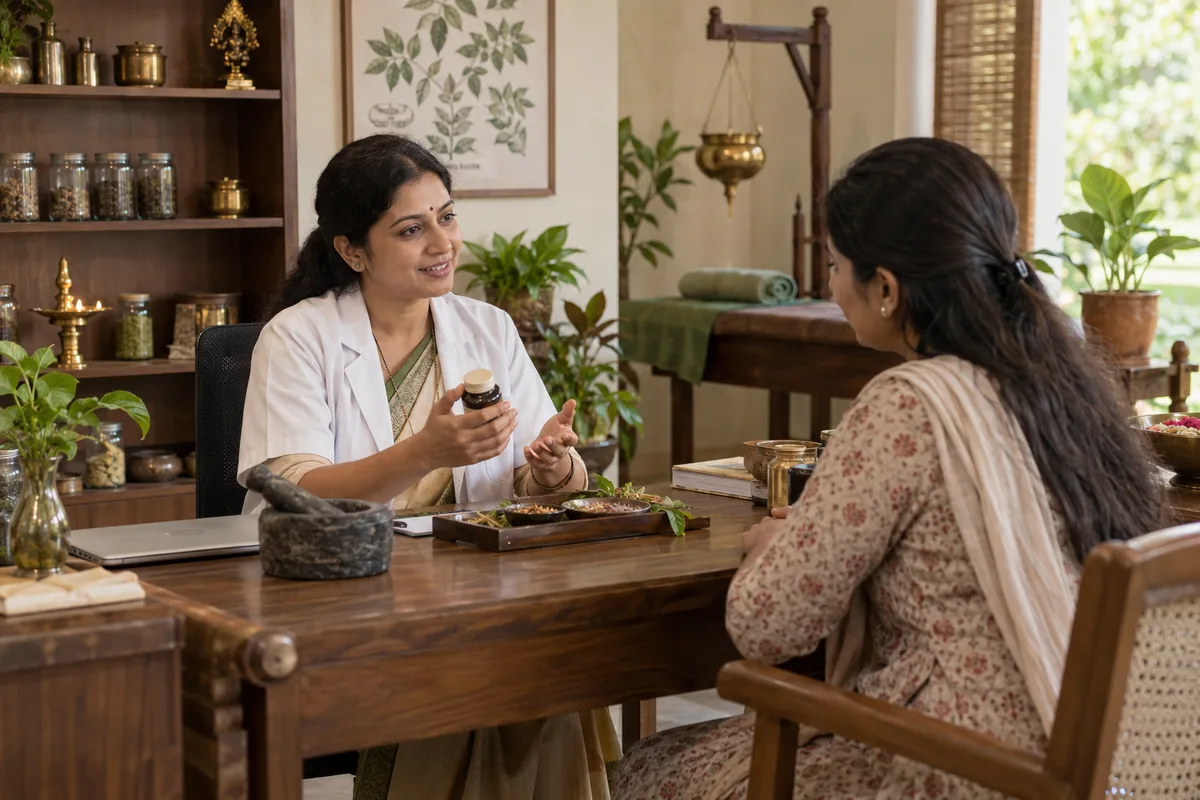
What CRM means
A CRM is the record where every enquiry, call and quote is kept against a customer, replacing separate notebooks, spreadsheets and memory. GullySales sets up or cleans an existing CRM and reports from it by enquiry outcome rather than by activity logged.
Last updated 14 Nov 2026.
For wellness retreats
Where it usually goes wrong, and what we would do.
“Enquiries live in three places”
A question starts on Instagram, moves to WhatsApp and ends in an email. When no one list holds it, the same guest is asked the same thing twice, or is forgotten after the first reply.
“Past guests are your best lead”
A person who stayed and enjoyed it is more likely to hear your next announcement than a stranger. That needs a list with their consent, the programme they joined and the month they came, kept where the team can find it.
“Dietary and health notes need care”
Guests share food needs and health conditions. These are personal details. Store them only where needed, limit who can see them and delete them when no longer required. Check your own adviser on data and privacy obligations.
“A system that goes unused is worse than a shared sheet”
A heavy system filled in by one person becomes stale. A shared sheet or a light tool that the front desk really uses is better than a larger one that fills up with out-of-date notes.
What we do
What we deliver for wellness retreats.
The work available for this need. We agree the deliverables and responsibilities for your engagement in writing.
A guest and enquiry record
A list with name, source, date asked about, stage, deposit status and notes, set up in a tool your team will use.
Result: Every enquiry has a stage and a next step.
Stages from enquiry to stay
Plain stages such as asked, replied, deposit paid, confirmed and stayed, with a rule for moving between them.
Result: You can read how many guests sit at each stage.
A consented past-guest list
A field for permission to contact and a record of when it was given.
Result: The retreat knows exactly which past guests asked to hear from it.
A handling rule for personal details
A short rule on who sees health and food notes and when they are removed.
Result: Sensitive notes are held in one place under a rule.
Short training for the front desk
A walk-through for the people who answer messages, using your own tool.
Result: The team enters enquiries the same way.
How the result is measured
- Enquiries logged in the CRM
- Data completeness
- Reports generated from CRM data
Recorded as a baseline before work starts, so every later report has an honest comparison.
Fields worth keeping
These are the fields a retreat should hold on each guest.
- Retreat date enquired
- Filled by whoever replies. It shows demand for each date and which ones need more effort.
- Room type and sharing
- Filled at booking. It lets the manager plan rooms and see how many singles and twins are held.
- Deposit received and balance due
- Filled by accounts. It stops a room being held with no payment and shows who needs a reminder.
- Food needs and a note for teachers
- Filled with the guest's agreement. It lets the kitchen and teachers prepare, and stays out of marketing lists.
- Consent to be invited again
- Record the agreement and the number. It keeps future invitations welcome.
- Source of enquiry
- Past guest, search, Instagram or listing. It shows which routes bring guests who book.
Who it is for
This is written for these wellness retreats.
- Yoga and meditation retreats in hill and forest settings
- Ayurveda and panchakarma-based residential retreats
- Detox and naturopathy retreats
- Weekend wellness retreats near cities for working professionals
- Silent and spiritual retreats
- Women-only and couple retreats
- Corporate offsite and team wellness retreats
- Retreats that host international guests, for example in Kerala, Goa or Rishikesh
Before you decide
When this may not be the right fit.
- Your guest list is small enough for one sheet, and the owner knows every entry.
- Nobody has agreed who updates a booking after a call, so the record would be wrong by the next retreat.
- You would store health notes beside marketing contacts, which would expose private details to staff who do not need them.
Before you decide
Agree the work. Know how to judge it.
CRM for wellness retreats: use these checks to prepare, choose the scope, and review what changes.
Bring the right evidence
List the records your team uses and show how an enquiry becomes an order today. Bring examples of duplicate entries, missing owners, and reports that require manual correction.
Make the scope clear
Agree the stages, required fields, access roles, and integrations before configuring the system. Separate software subscriptions from setup, data work, and training.
Check the work in use
Ask the people who will use the CRM to complete a real handover and find the next action without help. Check that the management report can be traced back to individual records.
Know when to change course
If the process is unclear, buying a more complex CRM adds more places for confusion. Start with the minimum fields and rules the team can use consistently.
These are discussion points, not a fixed package. GullySales confirms the deliverables, responsibilities, fee, and term in writing after reading your brief and speaking with you.
Before we start
What to have ready before the work starts.
The records, access and decisions this work needs from wellness retreats. Anything missing is noted in the written scope, with who will supply it.
- Every sheet and notebook holding enquiries
- Bring them all, including the phone's chats. They are the data to import. If something is kept elsewhere, tell us now, so the import is complete. Include screenshots of chats you cannot export, so a person can type in the key details.
- The past guest register with consent marked
- Names, numbers, retreat attended, and whether the guest agreed to hear from you. We load only those who did. If consent was not asked, we start asking at the next check-in. Add the dates of the coming retreats, so each guest record can be linked to a date from the start.
- A therapist's rule on food and health notes
- What may be typed in and who may read it. We cannot decide this for you. Until it exists, the system holds no health fields.
- A list of who handles which enquiries
- The names of those who answer, deposit and welcome. Owners are assigned from it. If vague, records belong to nobody. Add who covers when someone is away, since an enquiry must always have a person to answer it.
- A shared time to train the front desk
- Everyone who will use the system, together, for one session. If staff attend one at a time, habits differ and records vary.
How it works
How the CRM work runs
The work itself, in order. How an engagement starts, from your brief to a written scope, is set out on our method page.
- 1
Gather the enquiries from the three places
We find where enquiries live now: the phone, the inbox and a listing platform, perhaps a notebook as well. With your front desk we list one week of recent ones from each. You tell us which are real and which are duplicates. This shows how many guests fall between the places. We also note which sources cannot be exported, such as a chat on a staff member's handset, so we plan how to bring them in.
- 2
Trace one guest from first message to stay
We follow a recent guest through every step: the first message, the replies, the deposit, the travel questions and the stay. You tell us where information was lost. The stage list we build reflects how a retreat is really sold. We mark the moments when a guest waited for an answer, since each wait suggests a stage the system must make visible.
- 3
Set the rule for food and health notes
You and the lead therapist decide what is recorded about a guest's diet and health, and who may read it. We propose that the kitchen sees food notes and the therapist sees clinical ones, and that no one else does. The rule is written plainly, and staff see it before they enter any record. The rule also covers what happens to a note when a guest asks for it to be removed, so the record can be corrected without a dispute.
- 4
Build the records and the stages
In the chosen tool, we set up the stages from enquiry to stay and the fields the desk will fill: retreat date, group size, source, deposit and next step. You approve the list. A field nobody can answer during the call is removed, so entry stays short. We include a field for who is booking for whom, because a friend booking a gift stay needs different follow-up from a guest booking for self.
- 5
Load past guests who agreed
From the guest register we import the past guests who gave consent to be contacted, with their retreat dates. You check a sample. Those without consent are kept off any invitation list, and the record shows when consent was given.
- 6
Train the desk and compare the pipeline
We train the front desk together, on live enquiries, and watch where they hesitate. Later we compare enquiries logged, deposits taken and stays against the figures from the old sheets. You tell us where staff still write elsewhere, and we adjust the stages. We also look at records with no next step and decide with the desk whether to close them or call the guest.
Where this fits
Three pieces of sales work, in this order.
This work sits inside sales management. A target, a review routine and someone who owns the number.
Step 1
Sales audit
Find where deals are being lost and what to fix first.
Start here if you cannot say where orders are lost.
Step 2
Sales process design
One written way to sell, from first enquiry to repeat order.
Start here if every salesperson sells differently.
Step 3 · you are here
Sales management
A target, a review routine and someone who owns the number.
Start here if the team has targets and no routine.
FAQ
Questions owners ask before they call.
Not here? More answers, or ask on WhatsApp.
Which CRM should a retreat use?
Can we upload old guest numbers?
Can we reuse old guest numbers for a new programme?
Who should be able to see a guest's food and health notes?
Can the CRM send the deposit reminders?
What if two staff members talk to the same guest?
How much does it cost?
How long is the contract?
How soon will we see results?
Who will actually do the work?
More for wellness retreats
Related work to consider.
Closest to this: leads and follow-up
Also for wellness retreats
Or start from the overview: sales and marketing for wellness retreats.
Your next practical step
Tell us what you are trying to grow, and we will read it before we call.
Eight short steps, mostly taps. Skip anything you would rather answer on the call.