YouTube video analytics · Marketing
Use the viewing evidence to ask better questions about the video.
A video can receive more views while answering the wrong question for the intended audience. Another can serve a narrow customer task without attracting a large public audience. Analysis needs the video’s purpose and publishing context before a number can be interpreted as useful progress.
Scope, fee, reporting and term are agreed in writing after we have read your brief and spoken to you.
In one paragraph
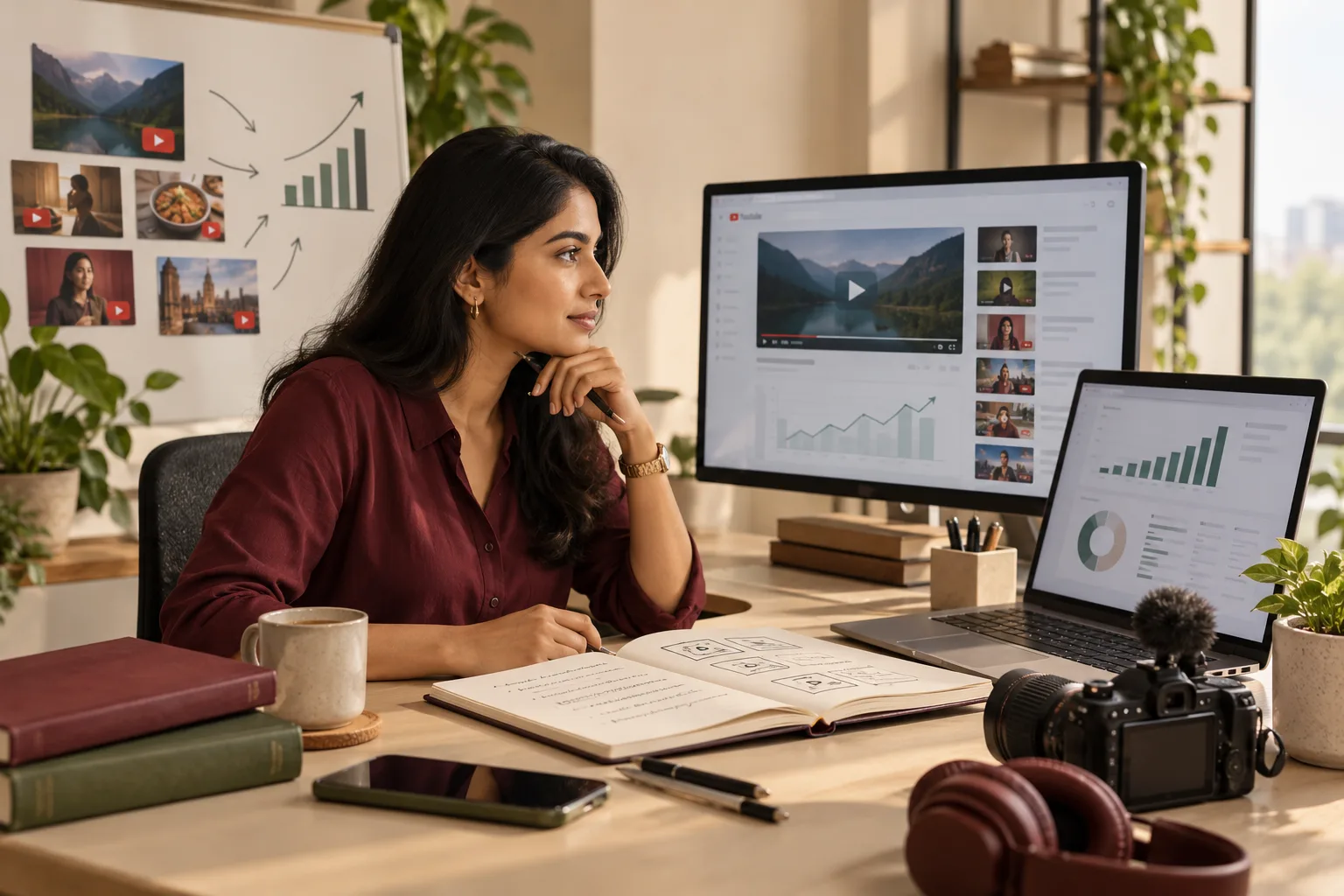
YouTube video analytics examines accessible performance records for a defined video or content set and explains what they can support. GullySales agrees the analysis questions, reviews current YouTube Studio measures and comparison periods, and connects observations to the actual videos, keeping viewing patterns, hypotheses, and business-confirmed enquiries separate rather than presenting a dashboard as proof of commercial impact.
The brief identifies the videos, comparison periods, account access, and decisions under review. YouTube’s available measures and interfaces can change. The analysis records the current definitions and data limits instead of assuming that every old metric remains available or comparable.
Who it is for
This is written for you if these sound familiar.
- Channel owners evaluating a defined video set
- Marketing teams deciding which content questions need attention
- Businesses comparing video activity with recorded enquiries
- Editors seeking evidence before changing an existing video treatment
Before you decide
When this may not be the right fit.
- Guaranteed explanation of why every viewer left
- Unavailable audience identities inferred from aggregate data
- Claims that ordinary viewing reports prove a sale was caused by a video
The problem
Does this sound like your business?
Common situations this work addresses.
“The comparison ignores video purpose”
A short announcement and a detailed tutorial should not be judged as interchangeable assets. Establish what each video is intended to do before comparing measures.
“A chart is treated as a complete explanation”
An observed drop or increase can have several causes. Identify plausible questions to investigate rather than presenting an unsupported reason as fact.
“Definitions change without being recorded”
A familiar label can conceal a different measurement basis. Preserve the source, period, and definition used for each reported comparison.
Choose the right scope
Start with the work your business needs.
A tutorial performance review
Assess whether the available viewing patterns raise questions about the instruction sequence. Use the actual lesson context before deciding that an exit indicates confusion.
A video-set comparison
Compare related videos on a consistent basis. Explain differences in format, publication context, and intended audience.
An enquiry-context review
Look for supported connections between published videos and recorded customer requests. Missing source information stays unknown rather than being assigned to the channel.
What we do
The work we can include.
Each deliverable and the purpose it serves. Your written scope confirms what is included, who is responsible, and what it costs.
Analysis question brief
Define the videos, intended audiences, and decisions the review should inform. Confirm accessible records and relevant business context.
Metric and source record
Document the current measures, periods, and limitations available in the account. Flag missing information and changes that affect comparison.
Viewing-pattern review
Examine the agreed discovery and viewing information in relation to the actual content. Keep observed patterns distinct from assumptions about individual viewers.
Content-context assessment
Compare notable findings with the video’s opening, structure, subject, and publication circumstances. Identify issues requiring editorial review or further evidence.
Business-response comparison
Review supplied enquiry records where relevant. Keep unknown sources and platform attribution separate from confirmed customer information.
Findings and next-check report
Present supported observations, limitations, and prioritised questions. Recommend a defined review or test rather than promising an improvement from one edit.
How the result is measured
- Video purpose recorded before comparison
- Metric definitions and periods explicit
- Observations separated from causal hypotheses
- Business outcomes based on supplied evidence
Recorded as a baseline before work starts, so every later report has an honest comparison.
Marketing and sales together
Give sales and content teams an evidence-based discussion of the videos they share.
The analysis identifies what the available viewing and enquiry records show. Teams can decide which explanations need closer review without assuming that a watched video identifies a buyer, establishes a requirement, or proves the cause of a later order.
Decisions to make before the work starts
Data availability
YouTube controls report fields, estimates, restrictions, and historical access. The current account determines the available analysis, and unavailable records are not promised as recoverable.
Interpretation limits
Aggregate viewing patterns do not reveal every viewer’s reasons or identity. Stronger causal conclusions require a separately designed evaluation and suitable evidence.
Implementation boundaries
Editing, thumbnail changes, publishing, tracking repairs, and ongoing channel operation are separate unless listed. The report identifies actions without implying they have been completed.
How it works
How the YouTube video analytics work runs
The work itself, in order. How an engagement starts, from your brief to a written scope, is set out on our method page.
- 1
Define the decision
Send the requirements brief with the video set and current questions. Identify available account and business records.
- 2
Check the data basis
Review permissions, current report fields, and comparison periods. Resolve definition differences before interpreting changes.
- 3
Examine evidence in context
Analyse the scoped records alongside the videos. Record alternative explanations and data gaps rather than forcing certainty.
- 4
Review findings and next work
Discuss the report with the content owner. Agree any production, publishing, or measurement changes as separate actions.
Where this fits
Three pieces of sales work, in this order.
This work sits inside sales process design. One written way to sell, from first enquiry to repeat order.
Step 1
Sales audit
Find where deals are being lost and what to fix first.
Start here if you cannot say where orders are lost.
Step 2 · you are here
Sales process design
One written way to sell, from first enquiry to repeat order.
Start here if every salesperson sells differently.
Step 3
Sales management
A target, a review routine and someone who owns the number.
Start here if the team has targets and no routine.
FAQ
Questions owners ask before they call.
Not here? More answers, or ask on WhatsApp.
Can you explain exactly why viewers stop watching?
Will you compare Shorts and long videos?
Does this include revenue reporting?
Will you improve the video after the report?
How do we begin?
By industry
YouTube video analytics, written for your industry.
Related services
Often bought with this, or instead of it.
Your next practical step
Tell us what you are trying to grow, and we will read it before we call.
Eight short steps, mostly taps. Skip anything you would rather answer on the call.