Commercial vehicle repair workshops · Lead generation
A breakdown call is one lead, and a fleet that stays is a different one.
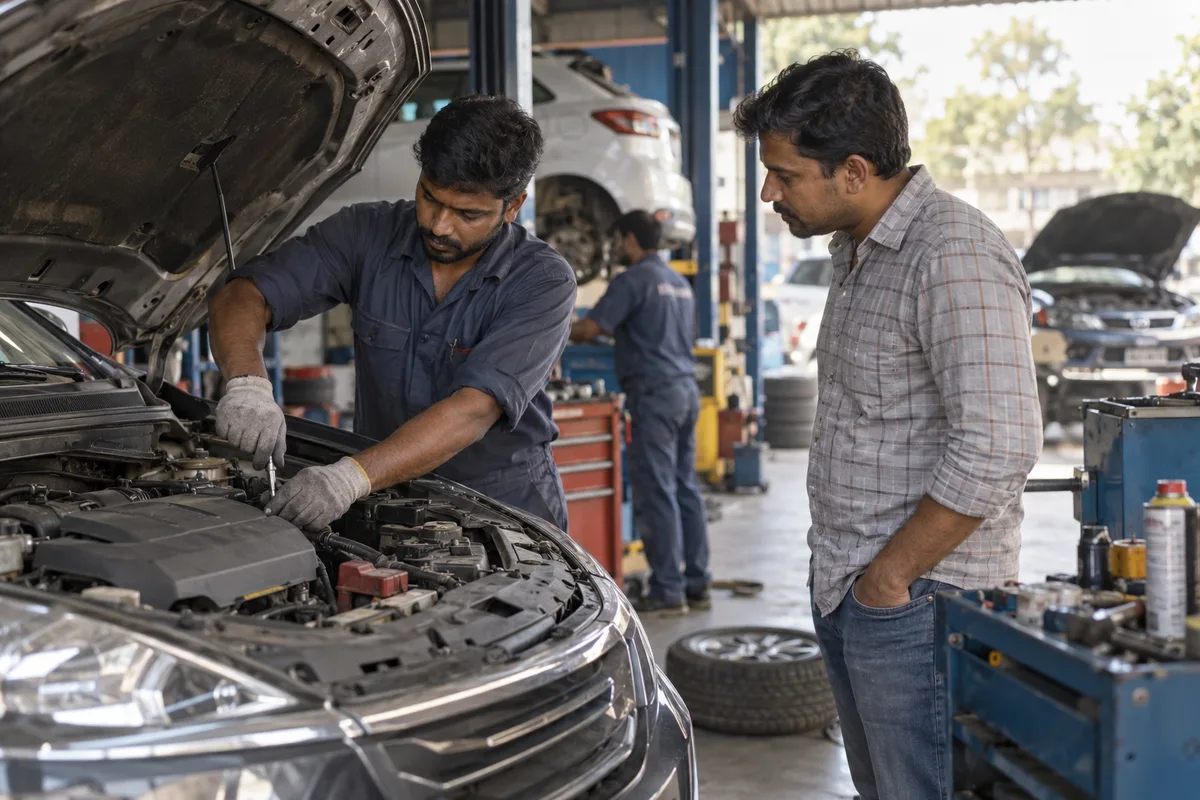
Lead generation for a commercial vehicle workshop means getting two kinds of call: the driver stuck at the roadside who needs a tow and a mechanic, and the fleet manager who is choosing a yard for the next year. GullySales works on the sources, the replies and the records behind both.
Scope, fee, reporting and term are agreed in writing after we have read your brief and spoken to you.
What lead generation means
Lead generation is the combined work of every channel that brings in a new enquiry, whether from search, adverts, referrals or a stall at an exhibition. GullySales runs these channels together and reports the number of enquiries each one produced, not the activity behind it.
Also for commercial vehicle repair workshops
- CRM for commercial vehicle workshops
- Follow-up systems for commercial vehicle workshops
- SEO for commercial vehicle workshops
- Local SEO for commercial vehicle workshops
- Social media marketing for commercial vehicle workshops
- Content marketing for commercial vehicle workshops
- Buyer personas for commercial vehicle workshops
- WhatsApp marketing for commercial vehicle workshops
Sales and marketing for commercial vehicle repair workshops, the overview.
Last updated 22 Oct 2026.
For commercial vehicle repair workshops
Where it usually goes wrong, and what we would do.
“The roadside call is won by whoever is findable and answers”
A driver with a failed clutch rings the owner, and the owner asks around. The workshop on the highway search, with a number that is picked up and a road name that matches, is the one named in that chain of calls.
“Dispatchers and supervisors decide, not the driver”
The driver describes the fault, but the dispatcher or the fleet supervisor picks the workshop. Your name must reach that desk before the breakdown happens, through a card, a message or a site visit.
“Fleet leads come through trust and a trial”
A fleet manager does not move trucks to a new yard on a brochure. They send one or two trucks, watch the estimate, the work and the invoice, and then decide. The lead is the trial, so the trial has to be easy to ask for.
“Parts dealers, tyre shops and toll-side dhabas hear first”
The people who see a stranded truck before anyone are the parts counter and the roadside tea stall. A short list of those contacts, kept warm, sends breakdown calls your way without any advertising spend.
What we do
What we deliver for commercial vehicle repair workshops.
Every deliverable, what it covers for you, and the result it is there to produce. Nothing here is an extra.
A source record for every job
Each job logged as search, Maps, dispatcher, referral, parts dealer or repeat customer, taken from your job card book.
Result: You can see which source fills the yard.
A breakdown page with the number and the road
A page and a listing that give the highway stretch you cover, the night hours, the tow arrangement and the number that is answered.
Result: A driver can act on the first screen.
A fleet trial offer
A written offer to take a trial set of trucks with a fixed estimate format and an invoice the accounts desk can pass.
Result: A fleet manager has a safe way to try you.
A contact list of dispatchers and parts dealers
A named list of the desks and counters that send trucks your way, with the date of the last conversation.
Result: Referrals have a person behind them.
A message for transport associations
A short introduction for truck owners' associations and bus operators, sent through the people who run them.
Result: Associations know what the workshop handles.
How the result is measured
- Enquiries generated
- Cost per enquiry
- Enquiries by source
Recorded as a baseline before work starts, so every later report has an honest comparison.
Who it is for
This is written for these commercial vehicle repair workshops.
- Heavy truck and trailer repair workshops
- Bus and school bus repair workshops
- Tipper and construction vehicle repair
- Light commercial vehicle and pickup service centres
- Authorised and multi-brand commercial vehicle service points
- Roadside breakdown and mobile mechanic units
- Tyre, brake and clutch specialist workshops for fleets
- Annual maintenance contract workshops for company fleets
How it works
How the lead generation work runs
The work itself, in order. How an engagement starts, from your brief to a written scope, is set out on our method page.
- 1
Understand your capacity
We agree how many enquiries your sales team can actually handle well, so the system is not built to overwhelm it.
- 2
Audit current sources
We check what already brings in enquiries today, even informally, before adding anything new.
- 3
Strategise the channel mix
Content, search and paid channels are chosen based on where your buyers already look.
- 4
Implement capture and follow-up
Pages, forms and a follow-up process are built and connected end to end.
- 5
Measure and optimise
We track enquiry volume and quality and adjust the channel mix to match.
Where this fits
Three pieces of sales work, in this order.
This work sits inside sales process design, at stage 1, prospecting and lead generation. The audit comes before it, and sales management keeps it running.
Step 1
Sales audit
Find where deals are being lost and what to fix first.
Start here if you cannot say where orders are lost.
Step 2 · you are here
Sales process design
One written way to sell, from first enquiry to repeat order.
Start here if every salesperson sells differently.
Step 3
Sales management
A target, a review routine and someone who owns the number.
Start here if the team has targets and no routine.
FAQ
Questions owners ask before they call.
Not here? More answers, or ask on WhatsApp.
Should we advertise on highway hoardings or online?
How do we get fleet owners and not just one-off breakdowns?
Can we promise a quick repair in our advertising?
How much does it cost?
How long is the contract?
How soon will we see results?
Who will actually do the work?
What do you need from us?
What if we are not happy with the work?
More for commercial vehicle repair workshops
Everything else we would do for you.
Closest to this: leads and follow-up
Also for commercial vehicle repair workshops
Or start from the overview: sales and marketing for commercial vehicle repair workshops.
Your next practical step
Tell us what you are trying to grow, and we will read it before we call.
Eight short steps, mostly taps. Skip anything you would rather answer on the call.