E-commerce · Specialty Foods
Our cheese has no dairy, and buyers still ask what is really in it.
A vegan buyer is checking two things: that nothing from an animal is in the food, and whether it tastes close enough to what it replaces to be worth the price. A plant-based paneer that crumbles in the pan, or a cheese that does not melt, ends the conversation.
Scope, fee, reporting and term are agreed in writing after we have read your brief and spoken to you.
In one paragraph
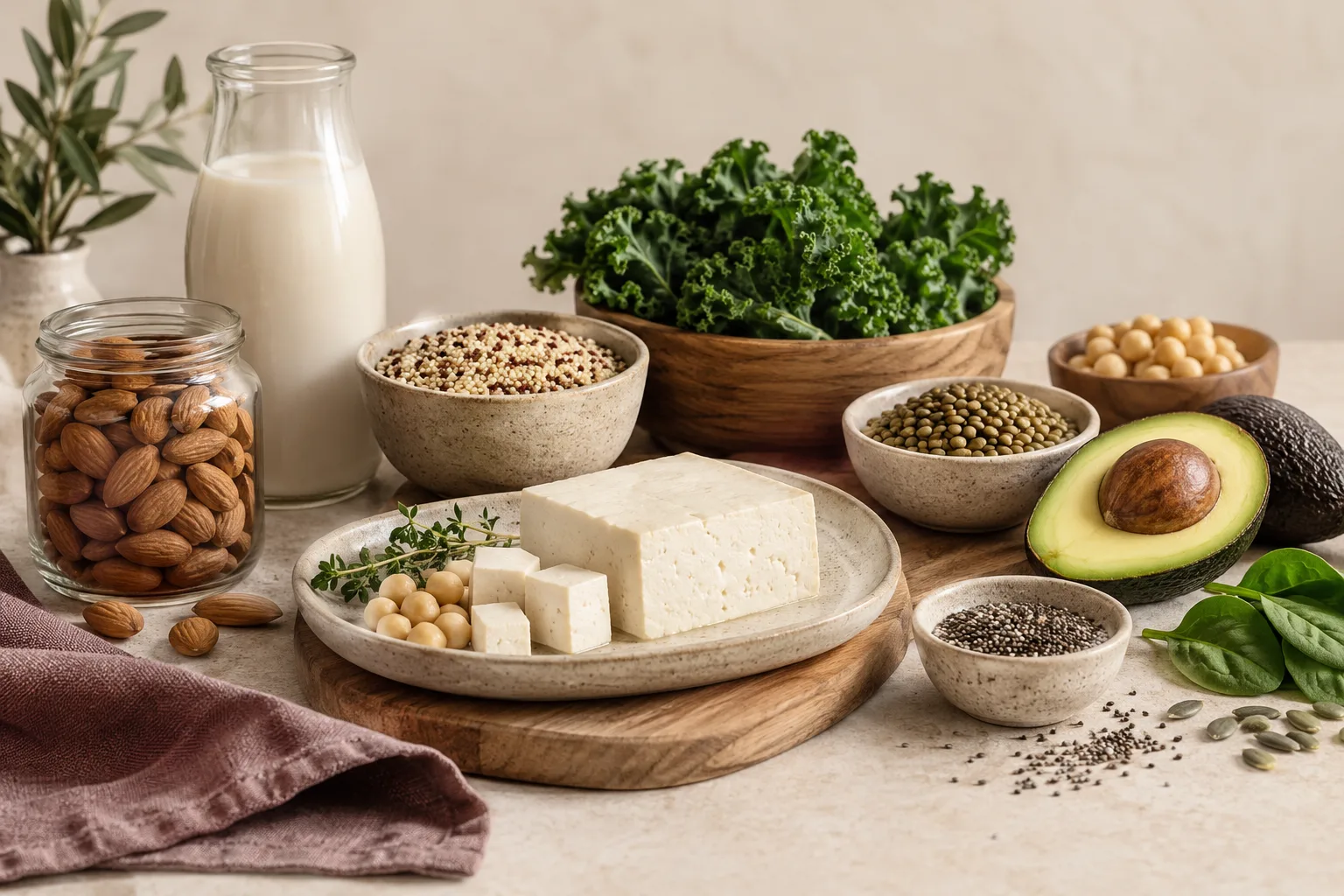
Vegan food e-commerce is the online sale of plant-based milks, cheeses, curd, paneer, ghee alternatives, meat substitutes, sweets and snacks made without animal ingredients. GullySales works on telling the buyer what the product is made from, finding people who follow a vegan diet or are trying it, and making a first taste lead to a second order.
Many buyers in India are not vegan, but are cutting down on dairy or trying something new. They are the larger group, and they need persuading on taste and use, not on belief.
Last updated 7 Oct 2026. Product, labelling and advertising rules for specialty foods differ by product and change. We describe them in general terms, so check the current position with your own adviser or the regulator before you publish a claim.
Who it is for
This is written for you if you sell vegan foods online.
- Plant-based milk, curd and cheese makers
- Brands selling jackfruit, soya or pea-based meat substitutes
- Vegan bakers and sweet makers using no milk, ghee or eggs
- Snack and ready-meal brands whose range is plant-based by design
Not for
It is not the right fit if.
- A brand that is vegetarian but not vegan, and uses the word without checking milk, honey or other ingredients in the line
- A seller who wants to claim a health effect for a plant-based product
How buyers choose
What decides the sale of vegan foods.
What it replaces and how it behaves
Does it set like curd, melt like cheese, froth like milk, crumble like paneer? Buyers look for the answer in the description and in reviews that mention cooking.
The full ingredient list and nothing animal-derived
Buyers read for casein, whey, honey, gelatine, ghee and some colourings. A complete list, and a statement on what the pack carries, are expected. The wording of any vegan mark is for your adviser.
Taste, from someone like them
Newcomers want to know if a meat-eater or a dairy-lover liked it. A buyer trusts that review more than the maker's description.
Price against the dairy product
A plant-based cheese costs more than the ordinary one. A buyer who knows the difference wants the reason, and a size small enough to try.
Where sales are lost
What usually goes wrong when you sell vegan foods online.
In the words sellers use on the first call.
“Non-vegan buyers try it once and say it does not taste right”
A first impression decides it. A usage guide on the pack, such as how to cook the paneer or how to melt the cheese, turns a bad first try into a good second one.
“Everyone thinks vegan means expensive and foreign”
A product made from local ingredients can say so: groundnut, coconut, cashew, jackfruit. The origin takes away some of the strangeness.
“Our cold-chain products cannot go to every pincode”
Plant-based milks and cheeses that need chilling follow the same rules as dairy. A delivery map for chilled lines and a national plan for shelf-stable ones keeps promises honest.
The scope
The work we would propose for vegan foods.
Measured on purchases, conversion rate, cost to win a customer, average order value and repeat purchases. Anything here that needs a platform or tool we have not used with you is confirmed with you before it goes in the scope.
- Cooking and serving guidance on every pageHow each product behaves in a kitchen, with recipes the buyer already makes, so a first meal works.
- Recipe and creator contentCooks and food creators making dishes buyers know with your product, shown on camera and shared with their followers.
- Search by what is being replacedPages for vegan paneer, plant-based milk, cashew cheese, eggless cake, written in the words of a person standing in a kitchen.
- A trial pack for first-time buyersA small box of several products priced to clear delivery, with a card of recipes.
- Vegan groups and campusesVegan clubs, city groups and campus societies given samples and a place to ask questions.
What we do
What you get for vegan foods.
Each deliverable and what it is there to change.
A use-and-recipe card for each product
How to cook or serve it, with two dishes that suit it, for the page and for the pack insert.
An ingredient and source sheet
Each product's list, with the plant source named and any allergen declared, in the same format on every page.
A trial box specification
Products, sizes and price for a first order, with a recipe card and a follow-up message.
A chilled and shelf-stable delivery split
Which lines go where and how, so chilled products stay in their delivery zone.
How the result is measured
- Purchases
- Conversion rate
- Customer acquisition cost
- Repeat purchase rate
- Return rate
- Trial box to repeat order
Recorded as a baseline before work starts, so every later report has an honest comparison.
How it works
From your first message to the first piece of work.
No open-ended retainer. Every step gives you something in writing.
First
Your brief
You tell us what you need in a few short steps: your business, what you want, where enquiries come from and how they are handled.
After the brief
A conversation and a written scope
We read it, then talk with whoever handles your enquiries. If you want our help, the scope, the fee and the reporting come in writing, and nothing starts before you have read them.
Before work starts
Baseline recorded
The numbers this work is meant to move, such as enquiries, quotations, orders, visits or renewals, written down so every later report has an honest comparison.
After the baseline
The first fix goes live
The fix we agreed to start with is put in place and measured against the baseline, whether that is a reply, a follow-up, a page, a listing or the handover between marketing and sales.
As agreed
Report against the baseline
What moved, what did not, and what changes next, in plain words. How often you get it is set in writing before work starts.
At renewal
Renew on the numbers
The term ends and you decide whether to continue from the results. The length is agreed in writing before anything starts.
What we need from you
What to have ready before we talk.
None of it has to be tidy. We read what you have.
- Your products and their full ingredient lists
- Which items need chilling and which do not
- Reviews and messages from buyers, especially complaints about taste
- Your store, marketplace and Instagram links
- Any vegan certification or mark you use
Selling in India and abroad
Selling vegan foods beyond your own market.
Where you sell decides sizes, units, seasons and returns. We work from Bengaluru and have no overseas office, so for a new country we start from your own sales and the platforms you already use.
Plant-based food is a larger market abroad
Vegan products are well established in some countries, and buyers there compare you with brands they already know. Language, units and the rules on the word vegan are confirmed with your adviser.
Shelf-stable lines go first
Chilled milks and cheeses do not ship well. Dry mixes, snacks and sealed products can, and the first step is the overseas orders you already have.
FAQ
Questions about selling vegan foods online.
Not here? More answers, or ask on WhatsApp.
Is it a problem to call my product vegan?
How do I get non-vegans to buy my product?
Does a vegan product need to be sold in a different way from other foods?
How much does it cost?
How long is the contract?
How soon will we see results?
Who will actually do the work?
What do you need from us?
What if we are not happy with the work?
More in Specialty Foods
Sellers of vegan foods also need
Also selling from a shop, a workshop or a warehouse? See the page for food product manufacturers.
This page is part of the e-commerce section. The D2C brands page covers the arithmetic of acquisition cost and the second order for any brand.
Why us
Why owners pick GullySales over an agency.
Marketing and sales, as one job
Most agencies stop at the enquiry. We also fix what happens after it: the reply, the follow-up, the quote and the CRM.
The person on the first call does the work
No account managers in between. You are never handed to someone you have not met.
A baseline before anything starts
Your numbers are written down on day one, so every later report compares against something honest.
The fee in writing, split three ways
Our time, your media spend and production on separate lines. You always see what goes to us.
No guarantees we cannot keep
The term is agreed in writing and never a default twelve months. We never promise a ranking or a lead count, because nobody controls those.
One office, and we say so
Nagarbhavi, Bengaluru. We work across India by call and WhatsApp and travel when a session needs to be in person.
#257, 3rd floor, Sri Nanjundeshwara Complex, Nagarbhavi 8th Block, Outer Ring Road. How we work.
Engagement options
Ways to work with us.
Pick the size of commitment that fits. Every option starts with your brief and a conversation.
Option 1
The conversation on its own
A call after you send your brief. It says honestly whether you need outside help, and many fixes are ones your own team can make.
Option 2
One fix, scoped
Start with the fix that matters most, such as reply time or follow-up. The fee is in writing before anything starts.
Option 3
An ongoing programme
We run the work, report against the baseline, and you renew on the numbers. The term and the reporting are agreed in writing first.
Option 4
Guidance for your own team or agency
We plan, brief and check the work of your in-house team or current agency, instead of replacing them.
Your brief
Tell us what you need, and we will read it before we call.
Eight short steps about your business, what you want and who decides. Most questions are a tap, and you can skip any you would rather answer on the call.
Your next practical step
Tell us what you are trying to grow, and we will read it before we call.
Eight short steps, mostly taps. Skip anything you would rather answer on the call.