Banks · Newspaper advertising
Your notices already fill the paper, so the rest of the space needs a reason.
Newspaper advertising for a bank is two separate things: the notices your legal team has to publish, and the space a branch buys for a camp, a scheme or an opening. GullySales plans the second around one branch's catchment, gets the artwork through compliance, and prints a number that rings the loan desk.
Scope, fee, reporting and term are agreed in writing after we have read your brief and spoken to you.
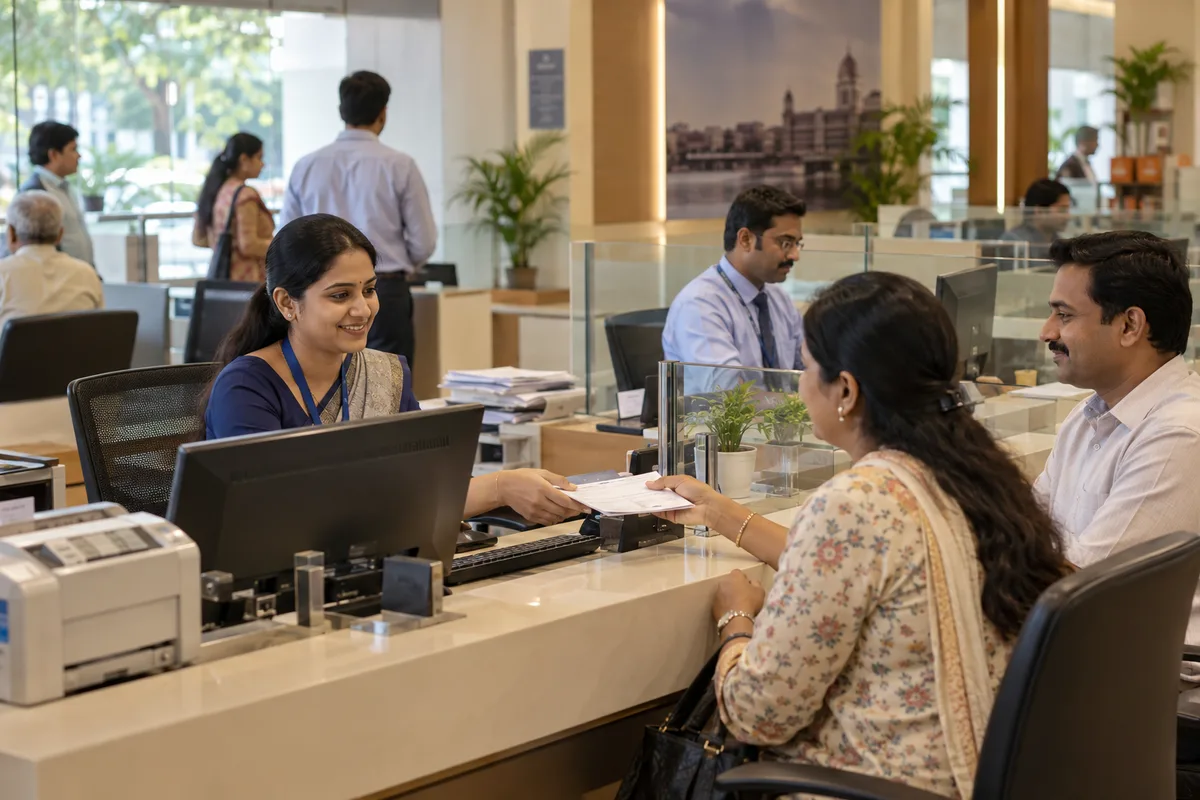
What newspaper advertising means
Newspaper advertising is space in a named edition of a paper on a named day, priced by the column centimetre. GullySales picks the edition and language your buyers actually read, meets the release deadline, and gives the reader somewhere to go.
Last updated 8 Nov 2026. Rules for this trade differ by state and professional body, and they change. We describe restrictions in general terms, so check the current position with your own council or adviser before you publish anything.
For banks
Where it usually goes wrong, and what we would do.
“The notices are fixed, and they are not marketing”
Possession and auction notices run in the editions and languages your legal team specifies, and nobody in marketing should be touching that wording. What can be added is a separate advertisement pointing buyers to the property list, because the notice column was never written to sell anything.
“The edition is a branch's catchment, not the bank's map”
A district edition costs a fraction of the state one and reaches the taluk where the MSME camp is actually being held. A branch buying a state-wide insertion is paying for towns its officers cannot visit.
“Ink cannot be corrected at nine in the morning”
A digital advertisement is changed in a minute when a scheme closes or a rate moves. A printed one sits in the house all morning, so the validity dates and the disclosures your compliance team requires have to be right before the release deadline.
“A camp needs a date, a place and a person”
An advertisement naming the branch, the morning and the officer who will be sitting there fills the room. A corporate image advertisement in the same space fills nothing, and any branch manager will tell you which of the two they would rather have.
What we do
What we deliver for banks.
The work available for this need. We agree the deliverables and responsibilities for your engagement in writing.
Edition and language plan per branch
The editions covering the pin codes each branch actually lends in, in the languages those households read, instead of one booking made against the title.
Result: Each branch pays for the district it can serve.
Release calendar tied to camp dates and scheme deadlines
Every insertion worked back from the morning it has to appear, with the paper's material cut-off and the compliance sign-off date set behind it.
Result: The advertisement runs on the morning it was meant for.
Compliance-cleared artwork carrying the validity dates
Rates, offers and disclosures set out as your compliance team requires, with the scheme reference and the date the offer closes, checked before the file leaves.
Result: Nothing is printed that has to be explained afterwards.
A display advertisement supporting the auction list
A separate advertisement pointing buyers to the property list or the e-auction portal, with the statutory notice left exactly as your legal team issues it.
Result: The properties reach buyers as well as the record.
A printed line into the branch loan desk
One number used in that insertion and nowhere else, answered at the branch during banking hours and logged with its source, so a print enquiry is not filed as a walk-in.
Result: You can say what the insertion brought to the counter.
Page check and the read
The page as it appeared matched against the date, edition and size ordered, with enquiries at that branch counted by insertion against the baseline.
Result: You learn which paper and which morning were worth the money.
How the result is measured
- Insertions published as booked
- Enquiries traced to the print route
- Cost per traced enquiry
Recorded as a baseline before work starts, so every later report has an honest comparison.
How space is bought, and checked
What a branch manager checks before a camp or scheme advertisement is booked.
- District or taluk edition
- Ask the paper which edition covers the pin codes where the branch actually lends, and have that edition named on the order. A title alone can mean a state-wide run.
- Size in column centimetres
- Rates are quoted per column centimetre. A camp notice needs a date, a venue and an officer's name. A scheme advertisement also needs room for the disclosure lines, so size the slot to the longer text.
- Day and section
- Ask which morning the paper carries its business or district pages, and whether the position can be written on the order. An MSME camp suits the page its owners already read.
- Proof sent to compliance
- Ask for the typeset proof and send it to your compliance team, not only to marketing. Rate, validity date and disclosure are read on the proof, because print cannot be corrected after the run.
- Print line to the loan desk
- Print one number that rings the loan desk at that branch, used in no other material. Log each call with the insertion date so a print enquiry is not filed as a walk-in.
- What print may carry
- Advertising rules for banks come from the regulator and your own policy, and they change. Ask compliance in writing which claims, rates and disclosures a printed advertisement may carry.
Who it is for
This is written for these banks.
- Private sector bank branches
- Public sector bank branches
- Regional rural banks
- Cooperative banks
- Small finance banks
- Business correspondent networks
- NRI-focused branches
- MSME-focused branches
Not for
It is not the right fit if.
- The notice you must publish is fixed by rule, and there is no room in it for any other message.
- The paper reaches readers in a town the branch does not serve, so the advertisement would be read by people who cannot visit.
Before you decide
Agree the work. Know how to judge it.
Newspaper advertising for banks: use these checks to prepare, choose the scope, and review what changes.
Bring the right evidence
State the buyer group, catchment, and dates that matter to the offer. Ask for the proposed inventory and available evidence about its audience, with the source and date shown.
Make the scope clear
Agree the exact placements, formats, booking period, and proof of delivery. Separate media charges from design, production, permissions, and installation where these apply.
Check the work in use
Compare delivery evidence with the agreed booking and record enquiries through a distinct response route where practical. Treat audience estimates separately from measured responses.
Know when to change course
Do not buy a placement only because it is discounted. If the location or audience does not fit the buyer, revisit the plan before committing production costs.
These are discussion points, not a fixed package. GullySales confirms the deliverables, responsibilities, fee, and term in writing after reading your brief and speaking with you.
How it works
How the newspaper advertising work runs
The work itself, in order. How an engagement starts, from your brief to a written scope, is set out on our method page.
- 1
Purpose and date approval
You confirm the business purpose, selling area, and required publication date. We check whether newspaper space suits that purpose before approaching the ad desk.
- 2
Media choice approval
GullySales compares suitable editions and formats. You approve the proposed spend and the placement conditions before a booking commitment.
- 3
Copy and response sign-off
Your authorised approver checks the offer and all claims. The person receiving enquiries confirms the number or destination, while regulated advertising goes through your own compliance review.
- 4
Artwork and booking handoff
The approved file and release instructions go to the publication or its agency before the confirmed cut-off. We check acceptance and keep the booking confirmation with the artwork version.
- 5
Printed placement verification
We compare the printed page with the release order. Differences in edition, date, size, or section are raised with the publication for resolution.
- 6
Response and sales review
Traced responses are compared with insertion cost and your team's recorded outcomes. The review informs whether to repeat the placement, change it, or stop buying it.
Where this fits
Three pieces of sales work, in this order.
This work sits inside sales process design, at stage 1, prospecting and lead generation. The audit comes before it, and sales management keeps it running.
Step 1
Sales audit
Find where deals are being lost and what to fix first.
Start here if you cannot say where orders are lost.
Step 2 · you are here
Sales process design
One written way to sell, from first enquiry to repeat order.
Start here if every salesperson sells differently.
Step 3
Sales management
A target, a review routine and someone who owns the number.
Start here if the team has targets and no routine.
FAQ
Questions owners ask before they call.
Not here? More answers, or ask on WhatsApp.
Do our auction notices count as advertising?
Can a printed advertisement quote an interest rate?
Should one advertisement run in both the English paper and the local-language one?
The paper's executive offers a package with a supplement. Should the branch take it?
How much does it cost?
How long is the contract?
How soon will we see results?
Who will actually do the work?
What do you need from us?
What if we are not happy with the work?
From the blog
Further reading for banks.
 6 min read · 6 Oct 2026How buyers decide which lender or adviser to trustPeople choosing a bank, lender, adviser or insurer start with a name someone gave them, then check you before calling. See what they look for.
 7 min read · 21 Sept 2026How to advertise to airport travellersA terminal is a small number of regular flyers counted many times, and the crowd changes completely between the six o'clock bank and the summer holidays.
 6 min read · 29 Jan 2026Local search for a financial services office: profile, reviews and what you can sayHow a financial services office can set up its Google Business Profile, ask for reviews and reply to them without breaking client confidentiality.
More for banks
Related work to consider.
Closest to this: paid and media
Also for banks
Or start from the overview: sales and marketing for banks.
Your next practical step
Tell us what you are trying to grow, and we will read it before we call.
Eight short steps, mostly taps. Skip anything you would rather answer on the call.