Orthopaedic hospitals · Search engine optimisation
Be the page a family reads when they search for a knee, hip or spine operation.
SEO for an orthopaedic hospital is the work of making procedure and symptom pages that a search engine can read and a worried family can use. GullySales works on page structure, surgeon pages, the writing for each joint and spine problem, and the technical basics of the site.
Scope, fee, reporting and term are agreed in writing after we have read your brief and spoken to you.
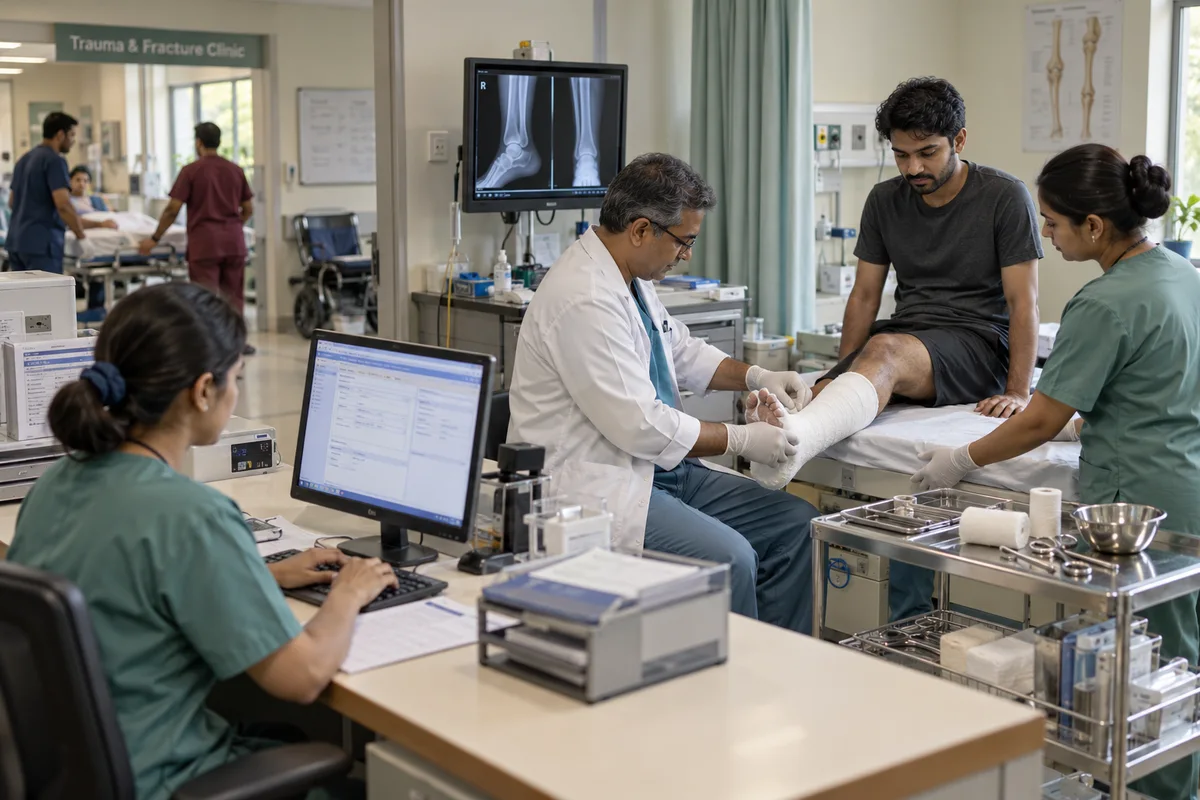
What search engine optimisation means
Search engine optimisation (SEO) is the work of getting your website to appear when a buyer searches Google for what you sell. GullySales builds pages around real search terms, fixes technical issues that block ranking, and tracks which searches actually bring enquiries.
Also for orthopaedic hospitals
- Local SEO for orthopaedic hospitals
- Website for orthopaedic hospitals
- Lead generation for orthopaedic hospitals
- Social media marketing for orthopaedic hospitals
- Content marketing for orthopaedic hospitals
- Buyer persona for orthopaedic hospitals
- CRM for orthopaedic hospitals
- Follow-up systems for orthopaedic hospitals
Sales and marketing for orthopaedic hospitals, the overview.
Last updated 14 Nov 2026. Rules for this trade differ by state and professional body, and they change. We describe restrictions in general terms, so check the current position with your own council or adviser before you publish anything.
For orthopaedic hospitals
Where it usually goes wrong, and what we would do.
“Searchers type the symptom before the procedure”
A person with a stiff knee searches for the pain on climbing stairs before they search for replacement surgery. A site that carries only the operation name misses the earlier searches, when the family is still deciding whether surgery is the answer.
“A department list is not a page about a hip”
One page titled Orthopaedics, with a paragraph on every joint, gives a search engine nothing specific to show. A separate page for each procedure, naming the surgeon and the steps on the day, matches what the searcher typed.
“Surgeon names get searched”
Families hear a surgeon's name from a friend and type it into the search box. If the surgeon has no page with qualifications, procedures and a booking route, the search lands on a directory listing or a rival hospital.
“A heavy mobile page loses the visit”
Families read in a waiting room on a phone. A slow page, a form that fails on mobile or a phone number that cannot be tapped sends them back to the results.
What we do
What we deliver for orthopaedic hospitals.
The work available for this need. We agree the deliverables and responsibilities for your engagement in writing.
Procedure and symptom page plan
A list of pages, one per joint or spine problem, with the search words each page answers.
Result: A written page plan the owner can compare with the live site.
Surgeon profile pages
Each surgeon's page with registered qualifications, procedures performed and the booking route.
Result: Each surgeon has one page that carries their name.
Page titles and headings
Titles and headings written to name the procedure and the town, in the words patients use.
Result: Each title can be read in the browser tab and checked.
Technical review of the site
A look at mobile display, page loading, broken links and structured data.
Result: A list of faults found, with a note of which are fixed.
Internal links between pages
Links from symptom pages to procedure pages, to the surgeon, to the booking form.
Result: A reader can reach the booking form from every procedure page.
How the result is measured
- Ranking positions
- Organic traffic
- Enquiries from organic search
Recorded as a baseline before work starts, so every later report has an honest comparison.
Searches your buyers type
What a family types about a bone or joint problem, and the page that answers it.
- knee pain when climbing stairs
- A symptom page that explains the common reasons in plain words, when to see a bone doctor and what the first consultation involves. It links to the knee surgeon's profile.
- hip replacement cost in [your city]
- An estimate page that lists what moves the bill, such as implant choice, room type and stay, and invites a written estimate request instead of quoting one figure.
- slipped disc treatment without surgery
- A spine page that describes assessment and non-surgical options first, and says honestly when an operation is discussed. Parents of working adults read this page twice.
- fracture hospital open at night
- A trauma page with the casualty number at the top, the hours, the route in from the highway and what to bring. This is a map and mobile search, so keep it light.
- [surgeon name] orthopaedic surgeon
- A surgeon page with qualifications as held, procedures performed and how to book. Families search the name after a friend or a physiotherapist mentions it.
Who it is for
This is written for these orthopaedic hospitals.
- Joint replacement and arthroscopy hospitals
- Spine surgery centres with inpatient beds
- Trauma and fracture hospitals on highways and ring roads
- Sports medicine hospitals with rehabilitation
- Orthopaedic hospitals run by a group of surgeons
- Orthopaedic and neuro hospitals with a combined spine unit
- Orthopaedic nursing homes expanding to larger hospitals
- Orthopaedic wings of multi-branch hospital groups
Before you decide
When this may not be the right fit.
- Your procedure pages would be copied from another hospital's site, so search would find a duplicate and the family would meet nothing of your surgeons.
- Your site loads slowly on a phone, so a better page would still lose the visitor before it opened.
Before you decide
Agree the work. Know how to judge it.
SEO for orthopaedic hospitals: use these checks to prepare, choose the scope, and review what changes.
Bring the right evidence
Bring the pages for the products or services you want to sell, the search queries available in your reports, and examples of enquiries from search. Separate branded searches from buyers discovering you for the first time.
Make the scope clear
Agree which pages and technical fixes come first, who can publish changes, and who supplies subject knowledge. Link search work to a relevant enquiry route on each priority page.
Check the work in use
Follow the trail from a relevant query to its landing page and then to an enquiry. Review whether those enquiries fit your offer, alongside indexing and search visibility.
Know when to change course
A ranking movement alone is not a buying signal. If traffic grows but relevant enquiries do not, revisit page intent and the offer before producing more pages.
These are discussion points, not a fixed package. GullySales confirms the deliverables, responsibilities, fee, and term in writing after reading your brief and speaking with you.
Before we start
What to have ready before the work starts.
The records, access and decisions this work needs from orthopaedic hospitals. Anything missing is noted in the written scope, with who will supply it.
- Administrator login to the hospital website
- We need the content system login, the hosting account and the domain record in the hospital's name. If an agency built the site and holds the keys, a handover is requested at the start. Without access we can write pages but not publish or repair them.
- A list of procedures the hospital performs
- By surgeon and by joint, with those that are referred out marked. Pages are written for work actually done. A page for a procedure that is not offered attracts the wrong families and wastes the surgeon's reading time.
- Surgeon registration and fellowship documents
- The profile page states qualifications as registered with the medical council, and the fellowships and posts held. We need to see the certificates or the registration entry. A detail we cannot see in writing stays off the page, so a missing document shortens the profile.
- The counter's list of questions families ask
- A page of the questions the admissions and billing counters hear: about implants, stay, insurers, visiting hours and rehabilitation. They guide what each page answers. If nothing is written, the counter staff note questions for a period before pages are drafted.
- Approval from the medical director for wording
- Someone senior who reads the pages before they go live and says yes or no. Without a named approver, pages sit in review. Where the director wants the hospital's legal adviser to read as well, tell us so that the step is built in.
How it works
How the search engine optimisation work runs
The work itself, in order. How an engagement starts, from your brief to a written scope, is set out on our method page.
- 1
List the symptoms families type before the procedure
We sit with the surgeons and the counter staff and write down how a family describes the problem before it knows the operation's name: the knee that locks on the stairs, the back pain that runs down the leg, the father who fell in the bathroom. These phrases decide which pages are written first. You tell us which procedures the hospital wants more of.
- 2
Read the current site as a family would
We open the existing pages on a phone with a slow connection, look for the procedure a family wants and see how many taps it takes to find the surgeon and the casualty number. We note thin pages, heavy images and pages that repeat. You confirm who holds the site's logins and whether an agency must be consulted.
- 3
Plan one page per joint and spine problem
A department list is not a page about a hip. We draw a page plan with a page for each joint, each major spine problem and each procedure, linked to the surgeons who perform it. You approve the plan, and the lead surgeon strikes out any procedure the hospital does not offer so that no page promises work that is not done.
- 4
Write each page with the surgeon reading
We draft one page at a time in plain words: what the problem is, how it is examined, what the options are including waiting, and what a hospital stay involves. The surgeon reads every draft for accuracy. No page promises a result, and your adviser confirms where advertising rules touch the wording.
- 5
Build the surgeon profile pages and the links
Each surgeon gets a profile with registered qualifications, the procedures performed and the hospital days. Condition pages link to the profiles and the profiles link back. We also correct page titles, headings and speed on the existing site. You check each profile and approve it before publication.
- 6
Read booked consultations by page against the baseline
We compare consultations and calls that began at each page with the enquiry figures kept before the work. The coordinator tells us which families quoted a page. You and the lead surgeon decide which procedure needs another page, which page needs rewriting, and what the front office does with a page that draws visitors who do not call.
Where this fits
Three pieces of sales work, in this order.
This work sits inside sales process design, at stage 1, prospecting and lead generation. The audit comes before it, and sales management keeps it running.
Step 1
Sales audit
Find where deals are being lost and what to fix first.
Start here if you cannot say where orders are lost.
Step 2 · you are here
Sales process design
One written way to sell, from first enquiry to repeat order.
Start here if every salesperson sells differently.
Step 3
Sales management
A target, a review routine and someone who owns the number.
Start here if the team has targets and no routine.
FAQ
Questions owners ask before they call.
Not here? More answers, or ask on WhatsApp.
How will we know SEO is working?
Can we copy procedure text from other hospital sites?
Do advertising rules affect page wording?
Should each joint have its own page?
Why does the surgeon need to be named on each page?
How long should a procedure page be?
How much does it cost?
How long is the contract?
Who will actually do the work?
What do you need from us?
More for orthopaedic hospitals
Related work to consider.
Closest to this: search and visibility
Also for orthopaedic hospitals
Or start from the overview: sales and marketing for orthopaedic hospitals.
Your next practical step
Tell us what you are trying to grow, and we will read it before we call.
Eight short steps, mostly taps. Skip anything you would rather answer on the call.