Veterinary clinics · Buyer journey
Map the difference between a midnight emergency and a planned check-up.
The pet parent journey runs from the first puppy or kitten search, through vaccinations and a midnight emergency, to the senior years. GullySales maps every stage for your clinic, so a first-time pet parent and an experienced one are each answered with the right urgency.
Scope, fee, reporting and term are agreed in writing after we have read your brief and spoken to you.
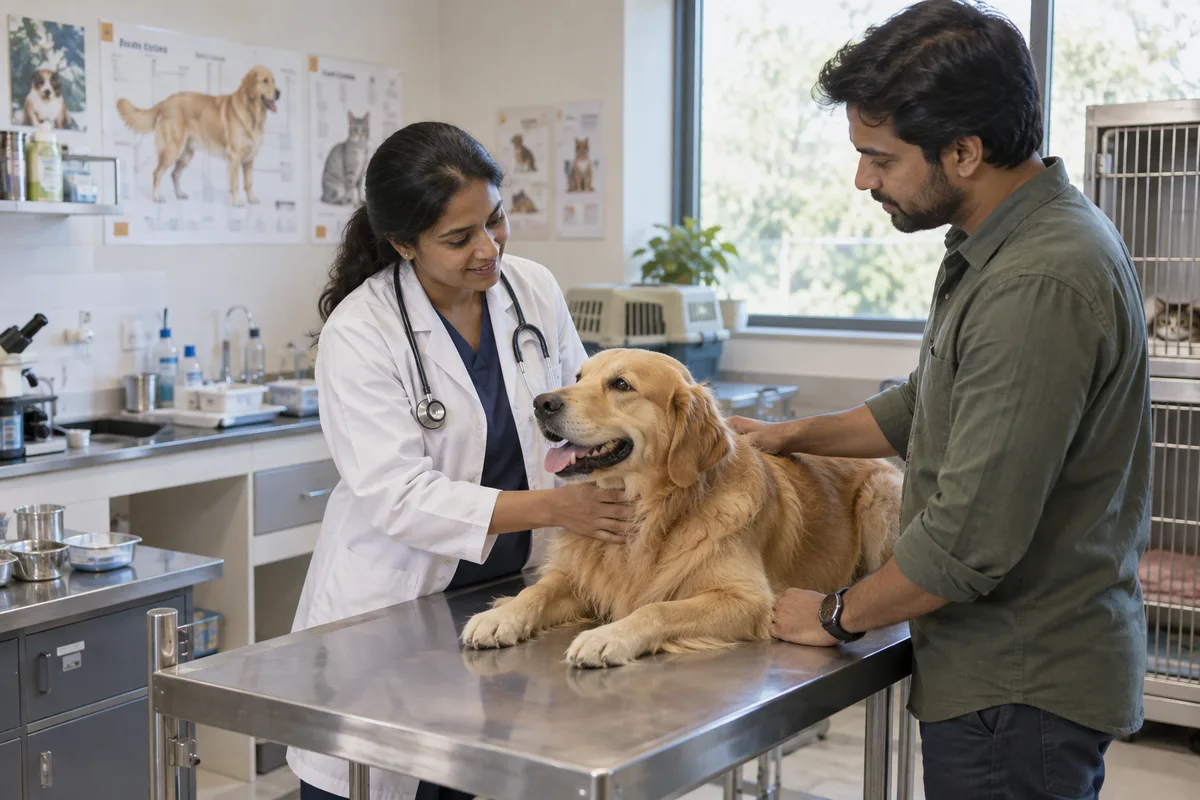
What buyer journey means
The buyer journey is the sequence of steps a customer actually takes, from first hearing about you to deciding to buy, which is rarely a single visit or call. GullySales maps this sequence for your business and checks that something useful happens at each step instead of only at the final call.
Last updated 5 Oct 2026. Rules for this trade differ by state and professional body, and they change. We describe restrictions in general terms, so check the current position with your own council or adviser before you publish anything.
For veterinary clinics
Where it usually goes wrong, and what we would do.
“The emergency journey is decided by who picks up the phone”
A pet owner at midnight calls the first clinic listed as open, and the one that answers live, not voicemail, gets the patient.
“The routine journey allows for comparison and recommendation”
An owner booking a first vaccination for a new puppy often asks a breeder or another owner, then checks reviews before calling.
“The first visit's experience decides whether the owner returns”
A rushed or confusing first appointment sends an owner searching again for the next visit, even if the treatment itself was fine.
“A first-time pet parent moves through more stages than an experienced one”
Someone who has just brought home a first pup reads about deworming, vaccination schedules and neutering before choosing a clinic. An owner on their third dog calls a vet they already trust, or the one another owner named.
What we do
What we deliver for veterinary clinics.
Every deliverable, what it covers for you, and the result it is there to produce. Nothing here is an extra.
Separate journey maps for emergency and routine visits
Two maps, one for a midnight emergency decided by who answers the phone, and one for a routine visit compared over days through reviews and recommendations.
Result: The clinic treats each kind of enquiry with the urgency it actually needs.
A phone-answering routine built for the emergency journey
A checked routine so an after-hours or emergency call is answered live rather than reaching voicemail, since the first clinic to answer usually gets the patient.
Result: An emergency call is not lost to a missed ring.
First-visit review for what sends owners elsewhere
A look at the actual first appointment, from booking to check-out, for the confusion or rush that sends an otherwise satisfied owner elsewhere.
Result: A good treatment is not undone by a confusing first visit.
A recommendation trail added to the journey
A record of whether a new routine enquiry came from a breeder, another owner or a search, added to the existing journey map.
Result: You can see which recommendation sources are actually bringing in new patients.
Journey findings turned into specific fixes
A short list of changes to the phone routine, the website and the first-visit process based on where each mapped journey breaks down.
Result: The clinic acts on what the map shows instead of filing it away.
How the result is measured
- Drop-off rate by step
- Time from first contact to sale
- Steps with no content
Recorded as a baseline before work starts, so every later report has an honest comparison.
Stages of the pet owner's journey
From a first puppy visit to a midnight emergency, what a pet owner needs from the clinic at each stage.
- Bringing a puppy or kitten home
- The new owner searches for a nearby vet and a vaccination schedule. Show the clinic's hours, address and vaccination service on the listing, with a clear first-visit page.
- The first visit
- The owner is unsure and watches the vet's manner. Record the pet's details, hand over a written vaccination and deworming card with the next dates, and explain each in plain words.
- Routine care
- The owner compares clinics through reviews and a neighbour's word, and returns when reminded. Send reminders for boosters and check-ups naming the pet and the due date.
- The emergency
- The pet is vomiting, injured or struggling to breathe at night, and the owner calls the first listing that shows open. Keep emergency hours, the on-call number and what you can treat at night correct online.
- A recommended procedure
- The vet advises surgery or a test and the owner goes home to think. Give a written estimate, explain the reason and the risks plainly, and note a date to ask how the pet is.
- Senior years
- Older pets need regular checks and sometimes long-term medication. Offer a check-up plan, keep the pet's history on file, and tell the owner when the next visit is due.
Who it is for
This is written for these veterinary clinics.
- Small animal clinics
- Multi-vet veterinary hospitals
- Mobile and home-visit vet services
- Exotic and avian veterinary practices
- Farm and large animal veterinary services
- Pet grooming and wellness clinics with vet services
- 24-hour emergency veterinary hospitals
- Veterinary diagnostic and referral centres
How it works
From your first message to the first report.
No open-ended retainer. Every step gives you something in writing.
First
Your brief
You tell us what you need in a few short steps: your business, what you want, where enquiries come from and how they are handled.
After the brief
A conversation and a written scope
We read it, then talk with whoever handles your enquiries. If you want our help, the scope, the fee and the reporting come in writing, and nothing starts before you have read them.
Before work starts
Baseline recorded
The numbers this work is meant to move, such as enquiries, quotations, orders, visits or renewals, written down so every later report has an honest comparison.
After the baseline
The first fix goes live
The fix we agreed to start with is put in place and measured against the baseline, whether that is a reply, a follow-up, a page, a listing or the handover between marketing and sales.
As agreed
Report against the baseline
What moved, what did not, and what changes next, in plain words. How often you get it is set in writing before work starts.
At renewal
Renew on the numbers
The term ends and you decide whether to continue from the results. The length is agreed in writing before anything starts.
How the buyer journey work runs
- 1
Understand the sales process
We walk through how a sale actually happens today, from the person who first answers an enquiry to the one who closes it.
- 2
Audit the data
Website analytics, call logs and CRM records are pulled together to see where people actually drop out, not where they are assumed to.
- 3
Interview buyers and staff
A handful of recent customers and the team who speak to them fill in the reasons behind the numbers.
- 4
Build the map
Stages, touchpoints and drop-off points are set out in one document everyone can read the same way.
- 5
Fix and measure
Each fix is implemented against the stage it addresses, and the drop-off rate at that stage is checked afterwards.
Why us
Why owners pick GullySales over an agency.
Marketing and sales, as one job
Most agencies stop at the enquiry. We also fix what happens after it: the reply, the follow-up, the quote and the CRM.
The person on the first call does the work
No account managers in between. You are never handed to someone you have not met.
A baseline before anything starts
Your numbers are written down on day one, so every later report compares against something honest.
The fee in writing, split three ways
Our time, your media spend and production on separate lines. You always see what goes to us.
No guarantees we cannot keep
The term is agreed in writing and never a default twelve months. We never promise a ranking or a lead count, because nobody controls those.
One office, and we say so
Nagarbhavi, Bengaluru. We work across India by call and WhatsApp and travel when a session needs to be in person.
#257, 3rd floor, Sri Nanjundeshwara Complex, Nagarbhavi 8th Block, Outer Ring Road. How we work.
Your brief
Tell us what you need, and we will read it before we call.
Eight short steps about your business, what you want and who decides. Most questions are a tap, and you can skip any you would rather answer on the call.
FAQ
Questions owners ask before they call.
Not here? More answers, or ask on WhatsApp.
Should the clinic treat all enquiries the same way?
How do we know which journey most of our patients take?
Who else is involved in a decision about a pet's treatment?
An owner said they would think about a surgery and never came back. What do we do?
How much does it cost?
How long is the contract?
How soon will we see results?
Who will actually do the work?
What do you need from us?
What if we are not happy with the work?
From the blog
Further reading for veterinary clinics.
 8 min read · 19 Aug 2026The pet parent journey: from the first search to regular visitsThe pet parent journey runs from the first anxious search to years of repeat visits. Here are the stages, and where Indian clinics lose owners.
 6 min read · 26 Aug 2026Pet grooming marketing: how to get grooming and boarding customersPet grooming marketing works on Maps, reviews, before and after photographs and fast replies. Boarding is won on trust. Here is how to fill both, and what a plan should cover.
 7 min read · 20 May 2026Loyalty programmes for pet clinics: the ones owners actually useA loyalty programme for a pet clinic is not a points card. It is a wellness plan paid up front, reminders for care that is already due, and one small standing benefit a regular notices.
More for veterinary clinics
Everything else we would do for you.
Closest to this: strategy and research
Also for veterinary clinics
Or start from the overview: sales and marketing for veterinary clinics.
Your next practical step
Tell us what you are trying to grow, and we will read it before we call.
Eight short steps, mostly taps. Skip anything you would rather answer on the call.