Garage door companies · Lead generation
The lead is a phone call, and second place pays nothing.
In this trade the lead rings rather than arrives, and the homeowner is calling three companies from the driveway. GullySales fixes what the phone does in the first thirty seconds, gets the replacement quote out before the truck leaves, and keeps that quote alive for months.
Scope, fee, reporting and term are agreed in writing after we have read your brief and spoken to you.
What lead generation means
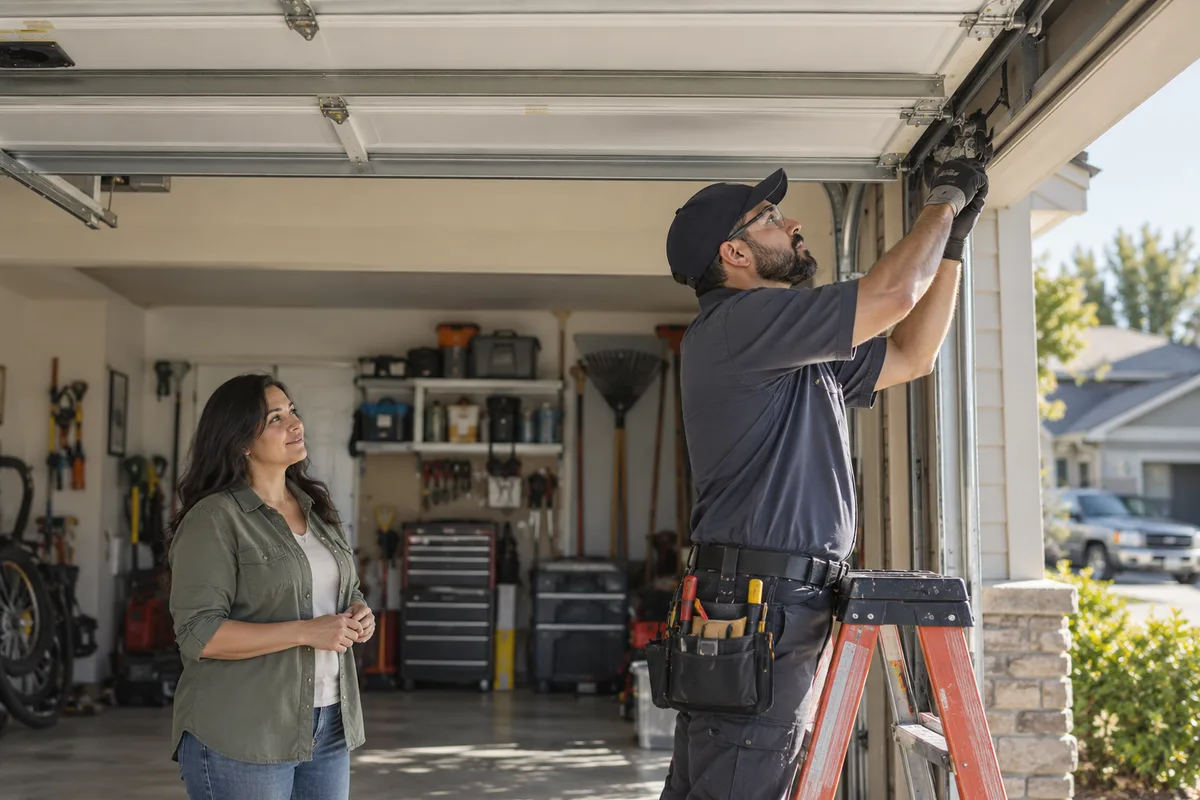
Lead generation is the combined work of every channel that brings in a new enquiry, whether from search, adverts, referrals or a stall at an exhibition. GullySales runs these channels together and reports the number of enquiries each one produced, not the activity behind it.
Also for garage door companies
- CRM for garage door companies
- Follow-up systems for garage door companies
- SEO for garage door companies
- PPC ads for garage door companies
- Digital marketing for garage door companies
- Reputation management for garage door companies
- Local SEO for garage door companies
- Branding and identity for garage door companies
Sales and marketing for garage door companies, the overview.
Last updated 5 Oct 2026.
For garage door companies
Where it usually goes wrong, and what we would do.
“The first question is the price, and both easy answers lose”
A flat figure gets compared with a bait advertisement, and silence sends the caller to the next number. Ask what the door is doing, then give a range and an arrival window.
“Two leads come out of one visit”
The spring is today's invoice; the twenty-year-old door above it is next year's. Both have to be written down before the truck backs out of the driveway.
“Nobody fills in a form with a car stuck inside”
Forms belong on the replacement side, where somebody is browsing door styles on a Sunday. Emergency traffic needs a number at the top of the screen and a person behind it.
“Shared leads test your dispatch, not the directory”
Four companies get the same name at the same second, and the job goes to whoever calls back within a minute. Buying more of them without fixing the call-back buys the same loss twice.
What we do
What we deliver for garage door companies.
Every deliverable, what it covers for you, and the result it is there to produce. Nothing here is an extra.
A call script that survives the price question
Wording that moves a caller from what a spring costs to what the door is doing, how old the opener is and which arrival window suits.
Result: Fewer calls end with the homeowner dialling the next company.
An overflow plan agreed in writing
Who picks up when both dispatchers are on a call, in which hours, and what the caller hears when nobody can. Settled before the next storm rather than during it.
Result: Missed calls turn into booked jobs.
A replacement quote sent from the driveway
A photograph of the homeowner's own door, two or three options with the insulation figures, and the finance line, sent before the truck leaves.
Result: The replacement conversation gets a document.
A follow-up schedule that runs for months
A call, a text and an email on set dates with consent recorded first, and a note of the season the homeowner asked you to come back in.
Result: March quotes are still alive in September.
Commercial work asked for deliberately
A list of property managers, builders and complexes inside your radius, a service agreement offer and a named contact for each.
Result: Work arrives between the emergency calls.
Every call counted by source and outcome
Tracking numbers on each source, recordings kept, and a count of answered, missed, booked and sold.
Result: You can see which advertising fills the trucks.
How the result is measured
- Enquiries generated
- Cost per enquiry
- Enquiries by source
Recorded as a baseline before work starts, so every later report has an honest comparison.
Where enquiries come from
The places a garage door company's enquiries arrive, and what to record at each.
- A call from a homeowner whose door will not open
- Take the address, the door type, what it is doing and who else they have called. Offer an arrival window before the price question comes, and write the call time in the log.
- Google Business Profile call or message
- Check the profile's call history against the dispatcher's log at the end of each shift. Any call with no entry is a missed customer, so call back and log it.
- Text asking about an opener
- Record the brand, the age and whether the remote or the wall button has failed. Reply with two questions and an arrival window, since texts come from callers who are comparing.
- Homebuilder or developer asking for a door supply and fit
- Log the builder, the number of homes, the door style and the handover date. Ask who signs off the specification, and note the date the quote was sent.
- Property manager or residents' committee
- Record the building, the number of doors and the maintenance history. Offer a survey of all the doors, and note the date they review vendors.
- Past customer whose door is ageing
- Use the job record to note the door's age and the last repair. Call before the next failure with a replacement quote, since a worn door usually fails in cold or rain.
Who it is for
This is written for these garage door companies.
- Residential repair and service companies running one to five trucks
- Garage door dealers with a showroom
- Opener and smart-opener specialists
- Commercial door companies working rolling steel and dock equipment
- New construction installers working for homebuilders
- Spring and cable repair specialists
- Custom carriage and wood door builders
- Franchise locations that need local work beyond the brand's leads
How it works
From your first message to the first report.
No open-ended retainer. Every step gives you something in writing.
First
Your brief
You tell us what you need in a few short steps: your business, what you want, where enquiries come from and how they are handled.
After the brief
A conversation and a written scope
We read it, then talk with whoever handles your enquiries. If you want our help, the scope, the fee and the reporting come in writing, and nothing starts before you have read them.
Before work starts
Baseline recorded
The numbers this work is meant to move, such as enquiries, quotations, orders, visits or renewals, written down so every later report has an honest comparison.
After the baseline
The first fix goes live
The fix we agreed to start with is put in place and measured against the baseline, whether that is a reply, a follow-up, a page, a listing or the handover between marketing and sales.
As agreed
Report against the baseline
What moved, what did not, and what changes next, in plain words. How often you get it is set in writing before work starts.
At renewal
Renew on the numbers
The term ends and you decide whether to continue from the results. The length is agreed in writing before anything starts.
How the lead generation work runs
- 1
Understand your capacity
We agree how many enquiries your sales team can actually handle well, so the system is not built to overwhelm it.
- 2
Audit current sources
We check what already brings in enquiries today, even informally, before adding anything new.
- 3
Strategise the channel mix
Content, search and paid channels are chosen based on where your buyers already look.
- 4
Implement capture and follow-up
Pages, forms and a follow-up process are built and connected end to end.
- 5
Measure and optimise
We track enquiry volume and quality and adjust the channel mix to match.
Why us
Why owners pick GullySales over an agency.
Marketing and sales, as one job
Most agencies stop at the enquiry. We also fix what happens after it: the reply, the follow-up, the quote and the CRM.
The person on the first call does the work
No account managers in between. You are never handed to someone you have not met.
A baseline before anything starts
Your numbers are written down on day one, so every later report compares against something honest.
The fee in writing, split three ways
Our time, your media spend and production on separate lines. You always see what goes to us.
No guarantees we cannot keep
The term is agreed in writing and never a default twelve months. We never promise a ranking or a lead count, because nobody controls those.
Hours that fit your day, agreed up front
Which hours we overlap with yours is settled before any work starts, so you know when a reply is coming and when it is not.
#257, 3rd floor, Sri Nanjundeshwara Complex, Nagarbhavi 8th Block, Outer Ring Road. How we work.
Your brief
Tell us what you need, and we will read it before we call.
Eight short steps about your business, what you want and who decides. Most questions are a tap, and you can skip any you would rather answer on the call.
FAQ
Questions owners ask before they call.
Not here? More answers, or ask on WhatsApp.
We cannot answer every call during a freeze. What then?
How long should we chase a replacement quote?
A caller wants a price for a spring and nothing else. Do we quote?
How do we tell a repair customer from a replacement customer?
How long is the contract?
Who will actually do the work?
What do you need from us?
What if we are not happy with the work?
More for garage door companies
Everything else we would do for you.
Closest to this: leads and follow-up
Also for garage door companies
Or start from the overview: sales and marketing for garage door companies.
Your next practical step
Tell us what you are trying to grow, and we will read it before we call.
Eight short steps, mostly taps. Skip anything you would rather answer on the call.