Appliance repair technicians · Buyer persona
Know who is calling, what they fear and what makes them hand over the appliance.
A buyer persona for an appliance technician describes the kinds of people who call you, what they worry about and what makes them agree to a visit. GullySales works on writing those personas from your own job history so your listing, script and follow-up speak to the person on the other end.
Scope, fee, reporting and term are agreed in writing after we have read your brief and spoken to you.
What buyer persona means
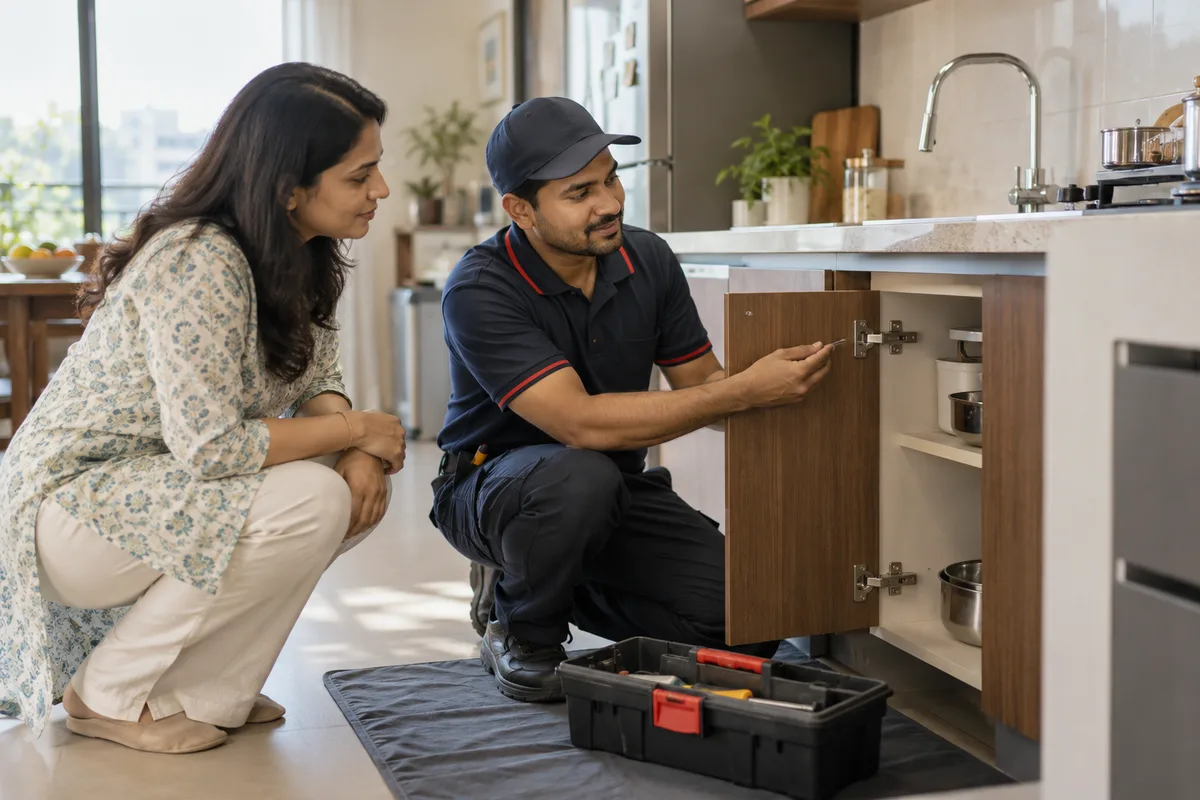
A buyer persona is a plain description of the kind of customer who actually buys from you. It includes what they search, what worries them and who else they ask before deciding. GullySales builds this from real enquiries and past sales rather than a generic template, then uses it to write every page and advert.
Also for appliance repair technicians
- Digital marketing for appliance repair technicians
- Lead generation for appliance repair technicians
- SEO for appliance repair technicians
- Local SEO for appliance repair technicians
- Social media for appliance repair technicians
- Content marketing for appliance repair technicians
- CRM for appliance repair technicians
- Follow-up systems for appliance repair technicians
Sales and marketing for appliance repair technicians, the overview.
Last updated 14 Nov 2026.
For appliance repair technicians
Where it usually goes wrong, and what we would do.
“The household owner fears being cheated”
This buyer has been told before that another part was faulty. They watch the work and ask what each part does. What persuades them is a visit charge stated first, a failed part shown and a plain view on whether the repair is worth it.
“The tenant wants it fixed without a fight with the landlord”
A tenant with a broken geyser needs a clear price they can send to the owner. A bill that names the part and the labour lets the landlord approve the cost and lets the tenant stay out of the argument.
“The building manager wants one reliable number”
A society office or landlord with a block of flats does not want to compare technicians each time. They want someone who answers, turns up and writes a clear slip. The persona buys reliability, not the lowest rate.
“The restaurant or caterer cannot afford a stopped grinder”
A kitchen owner loses a service when a wet grinder or oven fails. They value a technician who comes when called and who can keep a spare part for the machine they depend on.
What we do
What we deliver for appliance repair technicians.
The work available for this need. We agree the deliverables and responsibilities for your engagement in writing.
Personas written from your jobs
A one-page profile of each type of caller, built from the jobs you have done and what each person asked.
Result: You can describe each caller and their worry.
A script line for each persona
A first-call question and a reassurance line suited to each type of buyer.
Result: Your phone manner fits the person calling.
A listing and page wording check
A pass through your profile and pages to see which persona each sentence speaks to.
Result: Nothing on your pages speaks to nobody.
A note on what each persona never accepts
A short list of the offers and phrases that put each type of buyer off.
Result: You stop saying what drives callers away.
A source map by persona
Where each persona finds a technician, from a neighbour to a map search to an estate manager.
Result: You know where to be seen for each buyer.
How the result is measured
- Enquiry match to persona
- Conversion rate by persona
- Content aligned to persona
Recorded as a baseline before work starts, so every later report has an honest comparison.
Who is asking
Each person who calls about a broken appliance fears something different.
Who pays and who sits in the room differ. Write down the first question each asks.
- Household owner
- Fears being charged for extra faults, so wants a visit charge and a diagnosis before work.
- Tenant
- Wants it fixed without a quarrel with the landlord, and asks who approves the cost.
- Landlord with rented homes
- Wants one number to call and a note of the work for each flat.
- Building manager
- Wants a reliable number and a record for the society.
- Restaurant or caterer
- Cannot afford a stopped grinder, so wants a repair or a loan unit the same day.
Who it is for
This is written for these appliance repair technicians.
- Geyser and water heater repair technicians
- Chimney and kitchen hob repair specialists
- Microwave, OTG and induction cooktop technicians
- Mixer grinder, wet grinder and small appliance repairers
- Water pump and motor repair technicians
- Technicians with a small workshop who also take home visits
- Independent multi-brand technicians who service whatever walks in
- Technicians on annual contracts with societies and restaurants
Before you decide
When this may not be the right fit.
- You work alone and take calls from one kind of customer, where the persona would repeat what you know
- You have not noted what any caller asked, so the personas would be invented
- You cannot meet the restaurant's same-day need, and writing for that persona would promise it
Before you decide
Agree the work. Know how to judge it.
Buyer persona for appliance repair technicians: use these checks to prepare, choose the scope, and review what changes.
Bring the right evidence
Write the decision the research must support, such as entering a market or choosing a buyer group. Separate what you know from sales records from what the team currently assumes.
Make the scope clear
Agree which buyers to speak to, which sources to review, and what access you can provide. Include lost enquiries and people who chose another supplier, where they are willing to take part.
Check the work in use
Look for source dates, sample limitations, and evidence that disagrees with the preferred answer. A recommendation should show how it follows from the findings.
Know when to change course
Do not treat a few positive conversations as proof of demand. Test the proposed offer with an actual buying decision before committing to a wider launch.
These are discussion points, not a fixed package. GullySales confirms the deliverables, responsibilities, fee, and term in writing after reading your brief and speaking with you.
Before we start
What to have ready before the work starts.
The records, access and decisions this work needs from appliance repair technicians. Anything missing is noted in the written scope, with who will supply it.
- Job slips with the type of customer noted
- Bring your job slips and mark each as a household, tenant, building or kitchen as far as you recall. A rough marking is enough. Without it, we guess the types from the faults alone. Where you cannot recall, leave the mark blank, and we count those slips separately. Do not tidy the slips first.
- Two or three stories of lost jobs
- Recall jobs you lost because of price, delay or doubt. We learn what each type will not accept from them. If you remember no losses, we ask about customers who hesitated. Think of price, delay or distrust, and write one line for each loss. Be as blunt as you like, because nobody else reads them.
- The names of buildings you already serve
- List the societies, kitchens and landlords you serve, written as types if you prefer not to give names. They show how a building manager buys. Without them, that persona comes from the household calls only. Even a rough count of flats or tables served is enough to show the scale. If you prefer, call them building A and building B.
- Your standard words on price and visit
- Write what you say about the visit charge and the diagnosis before work starts. The opening lines use them. If your words differ between customers, tell us why, and we keep both. Include the line you use when a customer asks for a discount, since personas rely on it. Write them as you say them aloud.
- Time to read the finished personas
- Set aside half an hour to read each persona and say what is wrong. A persona you do not recognise will not help. If you cannot spare it, we hold the wording back until you can. A persona that reads like a stranger is a sign that we got the type wrong.
How it works
How the buyer persona work runs
The work itself, in order. How an engagement starts, from your brief to a written scope, is set out on our method page.
- 1
Sort your last season's customers by type
We take your job slips and sort the customers into households, tenants, building managers and kitchens, with a note of which appliance each called about. You correct the sort and tell us which type pays without argument. A customer with two appliances is counted once, under the type that pays. Keep the sort on one sheet.
- 2
Recall one typical call for each type
For each type we ask you to recall a typical call: what the customer said first, what worried them and what finally made them agree to a visit. We write the call down in their words, not in marketing language. We note the moment the customer's tone changed from worry to trust.
- 3
Find what each type will never accept
We ask what made a customer refuse a visit or a quote, such as a visit charge asked upfront or a delay without a reason. Each type gets a short list of things it will not accept, and you confirm them. Examples include refusing to pay for a visit that found no fault.
- 4
Write the opening line for every type
For each type we write the first sentence you say on the phone and the first line of your reply on chat. You say them aloud, and we change the words you would not use. The two lines are kept short enough to say in one breath. We keep both in a note on your phone.
- 5
Check the wording on your listing and page
We read your map listing, your page and your cards against the personas and mark what a worried household would not understand. You approve the changes, and we apply them to every place your name appears. Unclear wording, such as service charge, is replaced with the plain price of a visit.
- 6
Track the source of each type for a while
In your call note we add the customer type, and later compare which type came from which source. You see where building managers and kitchens find you, and decide which source to feed. The type is entered once at the first call, and the sheet is read later. Types that never call are dropped.
Where this fits
Three pieces of sales work, in this order.
This work sits inside sales process design, at stage 0, foundation. The audit comes before it, and sales management keeps it running.
Step 1
Sales audit
Find where deals are being lost and what to fix first.
Start here if you cannot say where orders are lost.
Step 2 · you are here
Sales process design
One written way to sell, from first enquiry to repeat order.
Start here if every salesperson sells differently.
Step 3
Sales management
A target, a review routine and someone who owns the number.
Start here if the team has targets and no routine.
FAQ
Questions owners ask before they call.
Not here? More answers, or ask on WhatsApp.
Can I write personas without data?
Do I need different pricing for each persona?
How do personas help a technician working alone?
Does the tenant or the landlord approve the repair?
Do I need a separate price list for each type?
How do I treat a tenant when the landlord pays?
How long is the contract?
How soon will we see results?
Who will actually do the work?
What do you need from us?
More for appliance repair technicians
Related work to consider.
Closest to this: strategy and research
Also for appliance repair technicians
Or start from the overview: sales and marketing for appliance repair technicians.
Your next practical step
Tell us what you are trying to grow, and we will read it before we call.
Eight short steps, mostly taps. Skip anything you would rather answer on the call.