Appliance repair technicians · Digital marketing
Put a few well-chosen channels to work instead of being everywhere badly.
Digital marketing for an appliance technician is the combined plan of map listing, pages, messages and a small amount of paid reach that brings repair calls from your area. GullySales works on choosing the few channels that suit a technician working alone or with a helper.
Scope, fee, reporting and term are agreed in writing after we have read your brief and spoken to you.
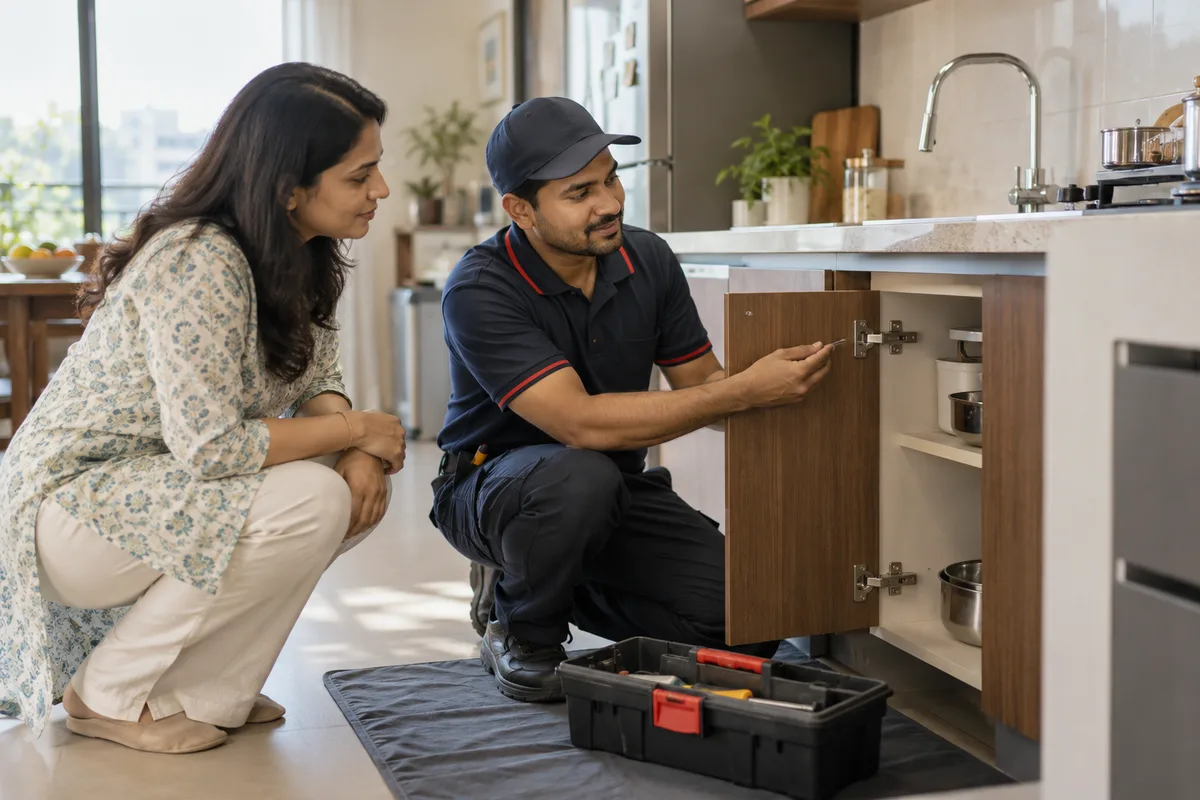
What digital marketing means
Digital marketing is the combined work of search, social media, advertising and website channels running together rather than as separate projects with separate people. GullySales runs these as one connected system so a change in one channel, such as a new offer, is reflected everywhere at once.
Also for appliance repair technicians
- Buyer persona for appliance repair technicians
- Lead generation for appliance repair technicians
- SEO for appliance repair technicians
- Local SEO for appliance repair technicians
- Social media for appliance repair technicians
- Content marketing for appliance repair technicians
- CRM for appliance repair technicians
- Follow-up systems for appliance repair technicians
Sales and marketing for appliance repair technicians, the overview.
Last updated 14 Nov 2026.
For appliance repair technicians
Where it usually goes wrong, and what we would do.
“A technician cannot feed every channel”
With jobs to do and parts to fetch, there is no time for posts everywhere. Choosing the few channels that already send calls, and leaving the rest, is the plan that survives a busy season.
“Paid reach should stay inside the area you serve”
Advertising across a whole city brings calls you will not travel for. Reach limited to the localities you cover costs less and sends calls you can serve, which matters more than the size of the audience.
“The plan should follow the appliance in season”
Geyser calls rise when the weather cools, and mixers and chimneys are busy near festivals. A plan that shifts effort toward the appliance in season matches the work you will actually be asked to do.
“You cannot manage what you do not count”
Without a note of where each call came from, every channel looks equally useful or equally useless. A simple source field on each job tells you what to keep and what to drop.
What we do
What we deliver for appliance repair technicians.
The work available for this need. We agree the deliverables and responsibilities for your engagement in writing.
A channel choice written down
A short note on which channels you will use, which you will leave and why, based on where your calls have come from.
Result: You know where your effort goes.
A small paid test for one appliance
A modest, area-limited advertisement for the appliance in season, with a call tracked to its source.
Result: You see whether paid reach sends paid repairs.
A seasonal calendar
A year laid out by appliance and season, with the message or post planned for each.
Result: The year's work is not decided in a rush.
A source count
A tally of calls and paid repairs by channel, taken from the job record.
Result: You can see which channel earns its time.
A review of what to drop
A plain look at channels that sent nothing, and a decision to stop them.
Result: Effort is not spent on channels that do not call.
How the result is measured
- Enquiries across channels
- Cost per enquiry overall
- Channel mix by contribution
Recorded as a baseline before work starts, so every later report has an honest comparison.
Searches your buyers type
A technician needs only a few channels, each placed where the appliance searches begin.
A technician cannot feed every channel. The plan names the few that matter and drops the rest.
- geyser repair near me
- The Maps listing, kept current in the cold months.
- chimney service at home
- A website page and a short post in society groups.
- mixer grinder repair shop
- A listing entry and a page naming drop-off options.
- water pump repair for apartment
- A building manager page and a direct approach.
- appliance repair open now
- Hours that are true and a number that is answered.
Who it is for
This is written for these appliance repair technicians.
- Geyser and water heater repair technicians
- Chimney and kitchen hob repair specialists
- Microwave, OTG and induction cooktop technicians
- Mixer grinder, wet grinder and small appliance repairers
- Water pump and motor repair technicians
- Technicians with a small workshop who also take home visits
- Independent multi-brand technicians who service whatever walks in
- Technicians on annual contracts with societies and restaurants
Before you decide
When this may not be the right fit.
- You have no way to count which channel a call came from, so spend could not be judged
- You cannot serve the areas that ads would reach, so paid clicks would be wasted
- Your calls come from word of mouth and you have no time to answer more
Before you decide
Agree the work. Know how to judge it.
Digital marketing for appliance repair technicians: use these checks to prepare, choose the scope, and review what changes.
Bring the right evidence
Bring a recent won order and an enquiry that went nowhere. Trace how each buyer found you, what they asked, and who handled the next step. A channel list alone will not explain the difference.
Make the scope clear
Choose one offer and one buyer group first. Agree which part needs attention: being found, getting a useful enquiry, or turning an enquiry into an order. Separate recommendations from the work required to carry them out.
Check the work in use
A useful plan names the first change, its owner, the evidence behind it, and the number that will show whether it worked. Ask what has deliberately been left out and why.
Know when to change course
If your team cannot answer the enquiries it already receives, improve that handover before buying more traffic. If the offer itself is unclear, test it with buyers before adding channels.
These are discussion points, not a fixed package. GullySales confirms the deliverables, responsibilities, fee, and term in writing after reading your brief and speaking with you.
Before we start
What to have ready before the work starts.
The records, access and decisions this work needs from appliance repair technicians. Anything missing is noted in the written scope, with who will supply it.
- Your job slips marked by source
- Go through the slips and write against each how the customer found you. A rough marking is enough. Without it, the plan rests on guesses about which channel brings work. Write the source beside each, and mark the jobs you cannot place. Even a rough tick is good. The more slips you bring, the clearer the picture.
- An honest list of your free hours
- Write the times you can look at messages, update a listing or post. The plan fits them. If you promise more than you have, the channels go stale and customers see it. Include the hours you lose on the road, because they are not free. Be honest, not hopeful. Someone else's help is counted only if they agree.
- The appliances you want more work on
- Say which appliances are your best earners and which you want to grow. The calendar and the test follow. If everything is equal, we start with the appliance that fails first in the coming season. If two are equal, tell us which one fails sooner in the season. Say if one earns well on the first visit.
- A spend limit for any paid test
- Decide how much you will spend, if anything, and the point at which you stop. We do not run a test without it. A limit protects your cash on the days when work is slow. The limit can be nothing, and then no test runs. Pick it before you see any advertisement. Cash is tight in slow months, so the limit protects you.
- Access to your listings and chat numbers
- Keep the login for your map listing, social profile and business chat ready. We cannot align them without access. If someone else holds a login, you must get it back first. Include any shared login, since a rival or a cousin may still hold one. Note the phone number each is tied to.
How it works
How the digital marketing work runs
The work itself, in order. How an engagement starts, from your brief to a written scope, is set out on our method page.
- 1
Trace where each of your last customers came from
We go through your job slips and ask, for each, how the customer found you: a neighbour, a listing, a society group or a building contact. We build a count by source, and you correct the entries you remember differently. Where a customer found you through two sources, we note both. The sheet is kept to one page.
- 2
Count the hours you really have for this
We talk through your working day to see how much time you can give to listings, messages and posts when you are not on a ladder. The plan is cut to fit that time, not an imaginary one. We also note the days when work is slow, because that is the time you can give to messages.
- 3
Choose the two or three channels to keep
From the count and the hours, we choose the few channels worth feeding, such as a map listing, a message line and a society group. You agree, and we write what you will stop doing so the effort does not scatter. Anything you have posted for months without a single call is added to the stop list.
- 4
Build the calendar around the appliance in season
We make a simple calendar of which appliance to speak of when, from geyser faults in the cold to cooler faults in the heat. You adjust it to your locality, and we attach each channel's task to it. Each appliance gets a note on the sort of customer who calls for it. The calendar is one page again.
- 5
Set a small paid test for one appliance
If you want to try paid reach, we plan a small test for one appliance in the streets you serve, with a stop point you set in advance. You approve the limit, and we note the calls it brings. The test runs only in the streets you chose, never in the whole city. Its words come from your own call note.
- 6
Read the counts and drop what does not work
We compare the source count with the start and the calls from the paid test. You see which channel brought paid repairs and which did not, and decide which one to drop. We read the source count and the call note together, because one without the other misleads. Channels that cost time but brought no paid repair are dropped first.
Where this fits
Three pieces of sales work, in this order.
This work sits inside sales process design, at stage 0, foundation. The audit comes before it, and sales management keeps it running.
Step 1
Sales audit
Find where deals are being lost and what to fix first.
Start here if you cannot say where orders are lost.
Step 2 · you are here
Sales process design
One written way to sell, from first enquiry to repeat order.
Start here if every salesperson sells differently.
Step 3
Sales management
A target, a review routine and someone who owns the number.
Start here if the team has targets and no routine.
FAQ
Questions owners ask before they call.
Not here? More answers, or ask on WhatsApp.
How much should I spend on ads?
Is digital marketing enough or do I still need word of mouth?
Should I hire an agency?
Is word of mouth enough without digital work?
Is it worth paying for a few days of ads before a festival?
Can I do this alone or do I need a helper?
How long is the contract?
How soon will we see results?
Who will actually do the work?
What do you need from us?
More for appliance repair technicians
Related work to consider.
Closest to this: strategy and research
Also for appliance repair technicians
Or start from the overview: sales and marketing for appliance repair technicians.
Your next practical step
Tell us what you are trying to grow, and we will read it before we call.
Eight short steps, mostly taps. Skip anything you would rather answer on the call.