Garage door companies · Local SEO
You rank near your yard, which is why the outer towns go quiet.
Local SEO for a garage door company is the map pack and the ads block, where the emergency calls get handed out. Distance from the searcher counts for a great deal, so GullySales works on the profile, the review flow and the towns your yard sits too far from.
Scope, fee, reporting and term are agreed in writing after we have read your brief and spoken to you.
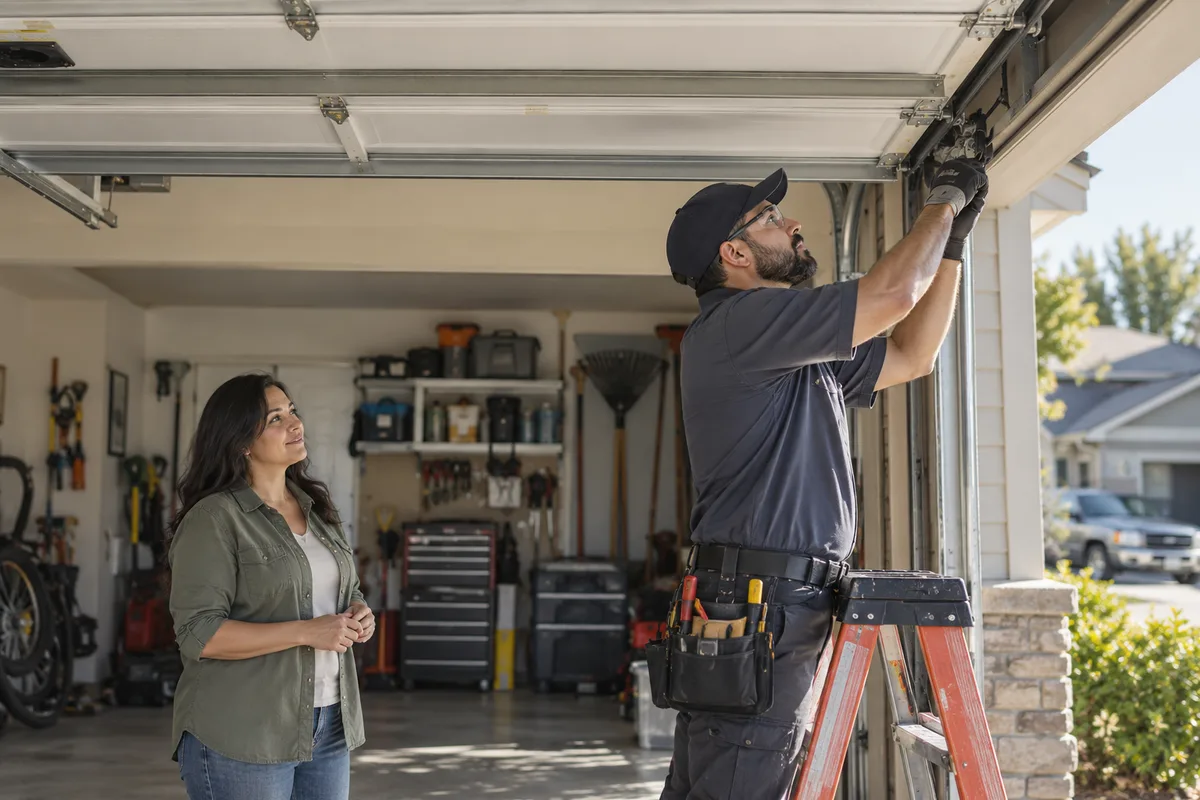
What local SEO means
Local SEO is the work of making your business show up for searches that name your town or locality, such as a service plus an area name. GullySales sets up locality pages, local citations and map listings so nearby customers find you before a competitor across town.
Also for garage door companies
- SEO for garage door companies
- Websites for garage door companies
- PPC ads for garage door companies
- Lead generation for garage door companies
- Digital marketing for garage door companies
- Reputation management for garage door companies
- Branding and identity for garage door companies
- Social media marketing for garage door companies
Sales and marketing for garage door companies, the overview.
Last updated 14 Nov 2026.
For garage door companies
Where it usually goes wrong, and what we would do.
“A service area business has no shopfront to show”
With the address hidden, the profile is judged on reviews, photographs and categories. The pictures should be trucks in driveways and doors you have fitted, not a stock house.
“The towns at the edge need something other than the map”
You will not beat a company based in that town on distance alone. Those towns are won with pages, reviews from customers who live there and referrals from people who work there.
“The primary business category sends the wrong calls”
Chosen carelessly, it lists you beside gate operators and door dealers and brings calls for another trade. Set it to what the trucks do and put the rest in the services list.
“Job photographs outrank any stock image”
A picture with the house, the truck and the technician in it tells a homeowner exactly what is coming. It is also the cheapest thing on the list.
What we do
What we deliver for garage door companies.
The work available for this need. We agree the deliverables and responsibilities for your engagement in writing.
A profile built for a company with no shopfront
The address hidden the way the platform requires, the towns and ZIP codes listed truthfully, and hours matching who is picking up the phone.
Result: You appear where the trucks can go.
Categories set to the work you do
A primary category for garage door work and a services list covering springs, openers, cables and installation, without the trades you do not run.
Result: The wrong-trade calls fall away.
Photographs taken on real jobs
Trucks in driveways, doors fitted locally, the technicians and the shop, added as jobs are done rather than once at the start.
Result: A homeowner sees who is coming.
A review flow that never stops
A request from the tablet on every job, so reviews arrive steadily rather than in a burst after a campaign and then nothing.
Result: Your standing in the ads block keeps its footing.
Questions and posts kept current
The pricing and arrival window questions answered on the profile by your own office, with posts for storm weeks and seasonal work.
Result: Callers arrive with fewer doubts.
Calls from the profile counted
Calls, direction requests and messages from the listing tracked apart from advertising, read beside the baseline.
Result: You can see what the profile alone brings in.
How the result is measured
- Map pack ranking
- Local search visibility
- Enquiries by locality
Recorded as a baseline before work starts, so every later report has an honest comparison.
What Google weighs here
How a homeowner or a shop owner finds a shutter and gate company nearby, and what to fix first.
- Words customers use
- Some customers say rolling shutter, sliding gate or remote gate, not garage door. Add the words people actually type to the services and the description.
- Repair against new installation
- List repair, spring and motor change, new shutter and automatic gate as separate services. A person with a stuck shutter and one planning a new building search very differently.
- Shutter repair or installer
- Pick the nearest category to what most income comes from. A repair-led firm and an installer-led firm should not use the same one.
- Photographs on real jobs
- Use your own pictures of finished doors, with the locality named. A buyer compares a shutter with one on a street they know.
- Hours that match the phone
- A breakdown call is made at once. If the profile says open and nobody answers, the caller moves to the next listing.
- Justdial and Sulekha
- Both are still used for repair calls. Keep the name, number and service list the same as the profile.
Who it is for
This is written for these garage door companies.
- Residential repair and service companies running one to five trucks
- Garage door dealers with a showroom
- Opener and smart-opener specialists
- Commercial door companies working rolling steel and dock equipment
- New construction installers working for homebuilders
- Spring and cable repair specialists
- Custom carriage and wood door builders
- Franchise locations that need local work beyond the brand's leads
Before you decide
When this may not be the right fit.
- The company has not decided which towns it will really drive to, so a page for every town would promise service it cannot give.
- The profile address is a home that the owner does not want shown, and nobody has set up the service-area option yet.
- No customer has been asked for a review or a job photograph, so the listing has nothing to show beyond its name.
Before you decide
Agree the work. Know how to judge it.
Local SEO for garage door companies: use these checks to prepare, choose the scope, and review what changes.
Bring the right evidence
Confirm the real business address, service area, contact details, and who controls the business listings. Keep examples of calls that came from the wrong location or asked for a service you do not provide.
Make the scope clear
Choose the locations you actually serve and the information each needs. Agree who approves listing changes, responds to enquiries, and keeps opening hours accurate.
Check the work in use
Check the journey from a local search to a call or enquiry on a phone. The address, service area, and description should agree across your website and listings.
Know when to change course
Do not create an office claim for a place where you only serve customers remotely. Clear service coverage is more useful than a misleading local presence.
These are discussion points, not a fixed package. GullySales confirms the deliverables, responsibilities, fee, and term in writing after reading your brief and speaking with you.
Before we start
What to have ready before the work starts.
The records, access and decisions this work needs from garage door companies. Anything missing is noted in the written scope, with who will supply it.
- Owner access to the map profile
- Primary owner or manager rights, or the email that recovers the profile. Every change needs it. If a past vendor holds it, claiming it back comes first.
- A decision on showing your address
- Whether the yard may be shown, or the profile set as a service area. The profile follows it. Without a decision, we set it hidden, which is the safer choice for a company with no shopfront.
- Photographs taken on completed jobs
- Sharp pictures of doors fitted, with the town known. The profile uses them. If none exist, a crew takes them on the next jobs. Note the street or town in the file name, and tell us which customers asked not to appear, so those pictures are kept off every platform.
- A list of the services you really perform
- Repair, springs, openers, new doors, commercial if any. The profile lists only these. Anything unclear is left off until confirmed.
How it works
How the local SEO work runs
The work itself, in order. How an engagement starts, from your brief to a written scope, is set out on our method page.
- 1
Settle whether the address is shown or hidden
We ask where your yard is, whether customers visit it and whether the profile shows an address or only a service area. You decide. A service area business without a shopfront needs the profile set to match, so the platform does not suspend it. If you work from home or a shared yard, we also check the landlord or the neighbours are not affected by the address appearing, and you confirm the decision in writing before the profile is saved.
- 2
Set the primary business type and services
We choose the primary type that matches the work you do and add the services you sell, separating repair from new installation. You confirm that each item is real. The wrong primary type sends the wrong calls.
- 3
Photograph real jobs in the service towns
A crew member takes photographs at the end of each job: the door, the street, the opener, the old door removed. You check that no house number or customer face appears. Pictures are uploaded with the town in the name.
- 4
Find the towns at the edge of your reach
We look at which outer towns the profile does not reach and where calls fall off. You tell us whether you want those jobs. For those you want, we plan pages and ads, since the map alone will not serve them. We write a short page for each of those towns and link it from the profile, so a caller who searches there lands on words about their own street.
- 5
Put the review request into the invoice flow
We add a review request that reaches the customer as the job closes, naming the technician. You approve the wording and promise no reward for a rating. Replies are written for both praise and complaint.
Where this fits
Three pieces of sales work, in this order.
This work sits inside sales process design, at stage 1, prospecting and lead generation. The audit comes before it, and sales management keeps it running.
Step 1
Sales audit
Find where deals are being lost and what to fix first.
Start here if you cannot say where orders are lost.
Step 2 · you are here
Sales process design
One written way to sell, from first enquiry to repeat order.
Start here if every salesperson sells differently.
Step 3
Sales management
A target, a review routine and someone who owns the number.
Start here if the team has targets and no routine.
FAQ
Questions owners ask before they call.
Not here? More answers, or ask on WhatsApp.
Our address is hidden. Does that hurt us?
Can we list a second address in the next town?
Should we list repair and new installation as separate services?
Do we write garage door or rolling shutter on the profile?
Can we list a second location in the next town?
How do we show that we do both repair and new doors?
How much does it cost?
How long is the contract?
How soon will we see results?
Who will actually do the work?
More for garage door companies
Related work to consider.
Closest to this: search and visibility
Also for garage door companies
Or start from the overview: sales and marketing for garage door companies.
Your next practical step
Tell us what you are trying to grow, and we will read it before we call.
Eight short steps, mostly taps. Skip anything you would rather answer on the call.