Garage door companies · Lead generation
The lead is a phone call, and second place pays nothing.
In this trade the lead rings rather than arrives, and the homeowner is calling three companies from the driveway. GullySales fixes what the phone does in the first thirty seconds, gets the replacement quote out before the truck leaves, and keeps that quote alive for months.
Scope, fee, reporting and term are agreed in writing after we have read your brief and spoken to you.
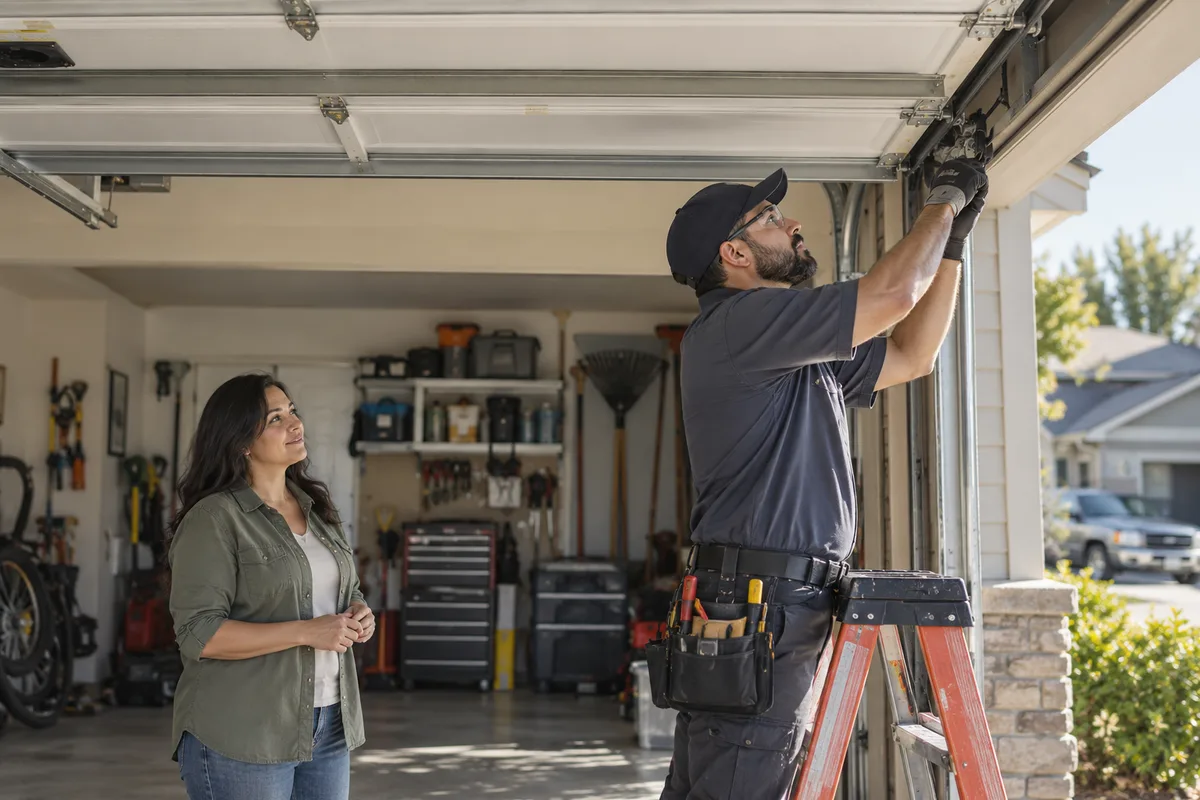
What lead generation means
Lead generation is the combined work of every channel that brings in a new enquiry, whether from search, adverts, referrals or a stall at an exhibition. GullySales runs these channels together and reports the number of enquiries each one produced, not the activity behind it.
Also for garage door companies
- CRM for garage door companies
- Follow-up systems for garage door companies
- SEO for garage door companies
- PPC ads for garage door companies
- Digital marketing for garage door companies
- Reputation management for garage door companies
- Local SEO for garage door companies
- Branding and identity for garage door companies
Sales and marketing for garage door companies, the overview.
Plan the next part of the work
Last updated 21 Nov 2026.
For garage door companies
Where it usually goes wrong, and what we would do.
“The first question is the price, and both easy answers lose”
A flat figure gets compared with a bait advertisement, and silence sends the caller to the next number. Ask what the door is doing, then give a range and an arrival window.
“Two leads come out of one visit”
The spring is today's invoice; the twenty-year-old door above it is next year's. Both have to be written down before the truck backs out of the driveway.
“Nobody fills in a form with a car stuck inside”
Forms belong on the replacement side, where somebody is browsing door styles on a Sunday. Emergency traffic needs a number at the top of the screen and a person behind it.
“Shared leads test your dispatch, not the directory”
Four companies get the same name at the same second, and the job goes to whoever calls back within a minute. Buying more of them without fixing the call-back buys the same loss twice.
What we do
What we deliver for garage door companies.
The work available for this need. We agree the deliverables and responsibilities for your engagement in writing.
A call script that survives the price question
Wording that moves a caller from what a spring costs to what the door is doing, how old the opener is and which arrival window suits.
Result: Fewer calls end with the homeowner dialling the next company.
An overflow plan agreed in writing
Who picks up when both dispatchers are on a call, in which hours, and what the caller hears when nobody can. Settled before the next storm rather than during it.
Result: Missed calls turn into booked jobs.
A replacement quote sent from the driveway
A photograph of the homeowner's own door, two or three options with the insulation figures, and the finance line, sent before the truck leaves.
Result: The replacement conversation gets a document.
A follow-up schedule that runs for months
A call, a text and an email on set dates with consent recorded first, and a note of the season the homeowner asked you to come back in.
Result: March quotes are still alive in September.
Commercial work asked for deliberately
A list of property managers, builders and complexes inside your radius, a service agreement offer and a named contact for each.
Result: Work arrives between the emergency calls.
Every call counted by source and outcome
Tracking numbers on each source, recordings kept, and a count of answered, missed, booked and sold.
Result: You can see which advertising fills the trucks.
How the result is measured
- Relevant enquiries by source
- Duplicate and unsuitable enquiries
- Time to the first response
- Accepted enquiries reaching an agreed next step
Recorded as a baseline before work starts, so every later report has an honest comparison.
Where enquiries come from
The places a garage door company's enquiries arrive, and what to record at each.
- A call from a homeowner whose door will not open
- Take the address, the door type, what it is doing and who else they have called. Offer an arrival window before the price question comes, and write the call time in the log.
- Google Business Profile call or message
- Check the profile's call history against the dispatcher's log at the end of each shift. Any call with no entry is a missed customer, so call back and log it.
- Text asking about an opener
- Record the brand, the age and whether the remote or the wall button has failed. Reply with two questions and an arrival window, since texts come from callers who are comparing.
- Homebuilder or developer asking for a door supply and fit
- Log the builder, the number of homes, the door style and the handover date. Ask who signs off the specification, and note the date the quote was sent.
- Property manager or residents' committee
- Record the building, the number of doors and the maintenance history. Offer a survey of all the doors, and note the date they review vendors.
- Past customer whose door is ageing
- Use the job record to note the door's age and the last repair. Call before the next failure with a replacement quote, since a worn door fails in cold or rain.
Who it is for
This is written for these garage door companies.
- Residential repair and service companies running one to five trucks
- Garage door dealers with a showroom
- Opener and smart-opener specialists
- Commercial door companies working rolling steel and dock equipment
- New construction installers working for homebuilders
- Spring and cable repair specialists
- Custom carriage and wood door builders
- Franchise locations that need local work beyond the brand's leads
Before you decide
When this may not be the right fit.
- Nobody owns the call-back list, so a new source of enquiries would join the pile of unreturned calls.
- The company cannot yet tell a repair caller from a replacement shopper at the first question, so every lead gets the same reply.
- Technicians leave the job without writing down the old door they saw, so new leads would not add to the replacement list.
Before you decide
Agree the work. Know how to judge it.
Lead generation for garage door companies: use these checks to prepare, choose the scope, and review what changes.
Bring the right evidence
Define the organisations or buyers you can serve and the reasons they would consider a conversation. Bring examples of accepted and rejected prospects so the selection rule is visible.
Make the scope clear
Agree the research sources, contact approach, qualification rules, and handover. Clarify which meetings count as accepted and what happens to replies that are not ready to buy.
Check the work in use
Review why a prospect was selected and what was learned from the response. Count held, relevant conversations separately from contacts found, messages sent, or meetings booked.
Know when to change course
If the same objection appears repeatedly, adjust the offer or buyer group before increasing outreach. Respect a request to stop contact and keep the exclusion in the record.
These are discussion points, not a fixed package. GullySales confirms the deliverables, responsibilities, fee, and term in writing after reading your brief and speaking with you.
Before we start
What to have ready before the work starts.
The records, access and decisions this work needs from garage door companies. Anything missing is noted in the written scope, with who will supply it.
- Recordings or notes of recent calls
- A set of calls from several days, with the outcome of each. They show where callers drop. Without them, we begin by recording calls and judge the script after a spread of real ones.
- Your overflow arrangement in writing
- Who takes calls when the desk is full: an answering service, a partner company or a call-back. The plan uses it. If none exists, we help you pick one before launch.
- A decision on service fee and quoting
- What you charge to come out, whether it is credited to the repair and what a technician may quote on site. The script repeats it. Without it, the script says a technician will explain on arrival.
- Photographs and styles for the quote
- Door styles you fit with sample pictures the technician can send. Without them the quote has words alone, which a homeowner finds hard to picture when choosing between two quotes on a kitchen table.
How it works
How the lead generation work runs
The work itself, in order. How an engagement starts, from your brief to a written scope, is set out on our method page.
- 1
Listen to a day of inbound calls
We listen to a sample of recorded calls, or sit by the dispatcher, noting what the caller says first, how the price question is answered and how many callers hang up before a booking. You tell us which callers are repair and which are replacement. This is the record from which the work begins.
- 2
Count how many calls go unanswered
We take the phone log and mark calls during a storm, at night and when every truck is out. You tell us what happens to them now. We write an overflow plan with you, either an answering service or a set time to call back, and you sign it before it starts.
- 3
Write the price answer with the dispatcher
With the dispatcher we draft what is said when a caller asks for a price: what is quoted, what needs a look, the service fee. You decide what can be promised. The script is read aloud on the phone until it sounds like your dispatcher.
- 4
Prepare the replacement quote for the driveway
We set up the quote the technician sends before the truck leaves, with door styles, a photograph and the next step. You decide the offer. A technician tests it on a job so the quote is sent from the driveway, and not remembered at night.
- 5
Ask for the property managers and builders
We list property managers, apartment complexes, builders and realtors in your area, and you strike out the ones you know or will not serve. For each we write a short note offering scheduled service. Outreach starts from the list, with no bought contacts, and each note names one service the building actually needs.
Where this fits
Three pieces of sales work, in this order.
This work sits inside sales process design, at stage 1, prospecting and lead generation. The audit comes before it, and sales management keeps it running.
Step 1
Sales audit
Find where deals are being lost and what to fix first.
Start here if you cannot say where orders are lost.
Step 2 · you are here
Sales process design
One written way to sell, from first enquiry to repeat order.
Start here if every salesperson sells differently.
Step 3
Sales management
A target, a review routine and someone who owns the number.
Start here if the team has targets and no routine.
FAQ
Questions owners ask before they call.
Not here? More answers, or ask on WhatsApp.
We cannot answer every call during a freeze. What then?
How long should we chase a replacement quote?
A caller wants a price for a spring and nothing else. Do we quote?
How do we tell a repair customer from a replacement customer?
Do we buy leads from a lead-selling site?
How long is the contract?
Who will actually do the work?
What do you need from us?
What if we are not happy with the work?
More for garage door companies
Related work to consider.
Closest to this: leads and follow-up
Also for garage door companies
Or start from the overview: sales and marketing for garage door companies.
Your next practical step
Tell us what you are trying to grow, and we will read it before we call.
Eight short steps, mostly taps. Skip anything you would rather answer on the call.