Garage door companies · Reputation management
Every review names a technician, including the ones you never read.
Reviews in this trade are about the person who turned up, the trip charge and whether the number changed on the driveway. GullySales puts the request at the moment the invoice closes on the tablet, ties each review to the technician, and writes the reply to a pricing complaint.
Scope, fee, reporting and term are agreed in writing after we have read your brief and spoken to you.
What reputation management means
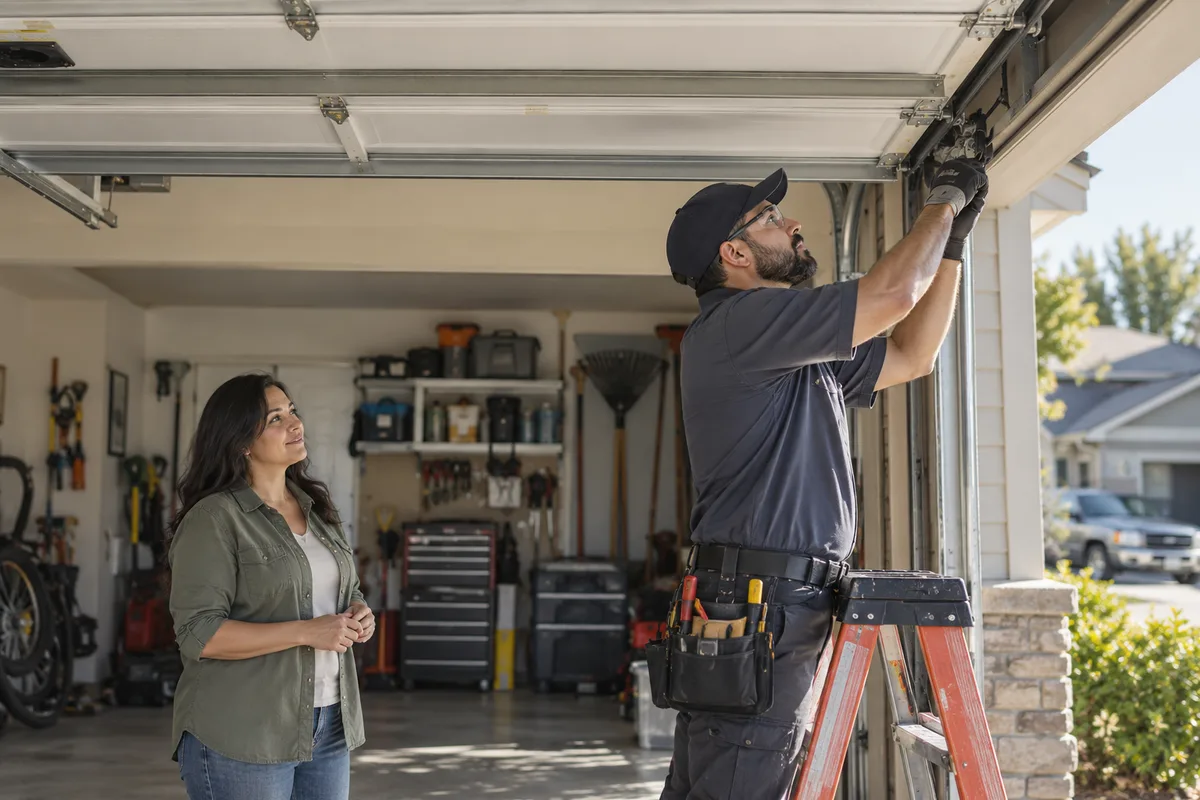
Reputation management is watching what is said about your business across Google, social media and review sites, and responding to it before it changes a buyer's mind. GullySales monitors mentions, drafts responses to negative reviews and flags recurring complaints back to your team.
Also for garage door companies
- SEO for garage door companies
- PPC ads for garage door companies
- Lead generation for garage door companies
- Digital marketing for garage door companies
- Local SEO for garage door companies
- Branding and identity for garage door companies
- Social media marketing for garage door companies
- Content marketing for garage door companies
Sales and marketing for garage door companies, the overview.
Last updated 14 Nov 2026.
For garage door companies
Where it usually goes wrong, and what we would do.
“The complaint is nearly always the number changing”
A figure given on the phone, a different one on the invoice, and a one-star review that evening. The fix belongs in the call, not in the reply written afterwards.
“Reviews decide the ads block as well as the map”
The same reviews feed both, so a month without any is a month of quietly slipping. A technician asking at the tablet collects more than any email ever sent.
“You are mistaken for the outfits people read about”
Homeowners have seen the stories about a spring quoted at one price and billed at five times it, and arrive suspicious. Answering that plainly, in your pricing and your replies, separates you from them.
What we do
What we deliver for garage door companies.
The work available for this need. We agree the deliverables and responsibilities for your engagement in writing.
The request sent as the invoice closes
The technician triggers it on the tablet before leaving, so it reaches the homeowner while the door is working and the driveway is clear.
Result: Reviews arrive dated this month.
Every review tied to a technician
Reviews matched to whoever ran the call, counted per person and read in the same meeting as the job numbers.
Result: You know who needs a ride-along.
A written reply for the pricing complaint
A standard answer giving what was quoted on the call, what was found on the door and what the invoice covered, without naming the customer.
Result: The next reader sees a company that explains itself.
The phone quote and the invoice reconciled
A check on how the range given on the call compares with what was billed, run over a sample of jobs.
Result: The complaint stops being created in the first place.
Alerts across the platforms that matter here
The map profile, the ads block, the neighbourhood app and the review sites, watched under your name and its misspellings.
Result: Nothing sits unanswered.
A read of the themes
Whether complaints are about the arrival window, the trip charge, the price or the clean-up, taken to the crew rather than filed.
Result: The cause gets fixed instead of answered.
How the result is measured
- Average rating
- Response time to reviews
- Negative mentions resolved
Recorded as a baseline before work starts, so every later report has an honest comparison.
What to do with each review
How to answer each kind of review a garage door company gets.
- Praise that names a technician
- Thank them and pass the review to the technician. Do not use the technician's name in the reply if you have not checked. Ask whether they would mention the kind of job, such as a spring or an opener.
- A complaint that the price changed on site
- Reply that a written estimate is given before work starts, then check what the phone quote said and what the technician wrote. Make the written estimate part of every visit.
- A repair that failed again soon after
- Check the job card and the warranty on the repair. Reply that you will return and look at it. Keep a list of callbacks by technician and part, to see what repeats.
- A technician who was late or did not come
- Check the dispatch log and the call time. Apologise, say what happened, and offer a new slot. Tell customers when the technician is on the way.
- A scratch or a dent on the car, wall or floor
- Ask for photographs and compare them with your pre-work photos. Reply with how damage claims are handled. Take a picture before and after each job.
- A review meant for a company with a similar name
- Check your job records. If there is no match, reply politely that you cannot find the job, and give your own address and number. Report the review through the platform if it breaks the rules.
Who it is for
This is written for these garage door companies.
- Residential repair and service companies running one to five trucks
- Garage door dealers with a showroom
- Opener and smart-opener specialists
- Commercial door companies working rolling steel and dock equipment
- New construction installers working for homebuilders
- Spring and cable repair specialists
- Custom carriage and wood door builders
- Franchise locations that need local work beyond the brand's leads
Before you decide
When this may not be the right fit.
- Technicians do not yet agree on a written price before the work starts, so the reviews would keep naming the bill.
- Nobody is free to answer a bad review within the working day, so a reply programme would go unread.
- The company has not decided what it will refund or redo, so a public reply would promise something the owner cannot honour.
Before you decide
Agree the work. Know how to judge it.
Reputation management for garage door companies: use these checks to prepare, choose the scope, and review what changes.
Bring the right evidence
Collect recurring public feedback and the internal record of how the issue was handled. Separate factual corrections from genuine complaints that need a response.
Make the scope clear
Agree who checks facts, approves replies, and resolves problems outside marketing. Any request for reviews or testimonials must fit the trade's rules and the customer's permission.
Check the work in use
Read the response from the customer's point of view. It should address the issue without exposing private information or promising an outcome the team cannot provide.
Know when to change course
Do not buy or invent reviews. If the same complaint keeps returning, resolve its cause before publishing more positive material.
These are discussion points, not a fixed package. GullySales confirms the deliverables, responsibilities, fee, and term in writing after reading your brief and speaking with you.
Before we start
What to have ready before the work starts.
The records, access and decisions this work needs from garage door companies. Anything missing is noted in the written scope, with who will supply it.
- Access to every listing and review platform
- Owner logins for the map listing and the other review sites where you appear. Replies and alerts need them. If a platform is held by a past vendor, we ask you to claim it back.
- A list of technicians and their jobs
- Names, the job type each does and the dates they work. Reviews are tied to it. Without it, reviews cannot be matched to the person who attended.
- Sample phone quotes and the invoices after
- A few pairs showing what was said and what was charged. They reveal where the number moves. Without them, we start recording quotes so the first pairs exist.
- Your approval to reply on the business's behalf
- A decision on who posts replies and what may be said about a dispute. Replies follow it. If undecided, we draft replies and you post them. Name the person who signs off a reply to a dispute about money, since that reply is read by every later customer.
- The customer's email or number in the job record
- A working contact held in the job software. The request needs it. When missing, the request is sent from the invoice link instead.
How it works
How the reputation management work runs
The work itself, in order. How an engagement starts, from your brief to a written scope, is set out on our method page.
- 1
Read every review and tag the technician
We read your existing reviews on the map listing and other platforms, and tag each to the technician it names or the job it describes. You tell us which ones you recognise. This shows where the praise and the complaints really sit. We also count how many reviews are left by property managers and landlords, because their comments carry different worries.
- 2
Sort the complaints by what changed on the driveway
We group complaints into the number changing, a late arrival, a cash dispute and a job not finished. You tell us what your technicians say happened. The groups decide what the replies and the office process must address.
- 3
Reconcile the phone quote with the invoice
We set a sample of phone quotes beside the invoices that followed and find where they differ. You decide what the dispatcher may say and what a technician may change. This is the cause of the commonest complaint and has to be settled before replies.
- 4
Set the request to fire as the invoice closes
We configure the tablet or job software to send the review request the moment an invoice is closed, tied to the technician. You approve the wording. No discount or favour is attached to a rating.
- 5
Write the reply for a pricing complaint
We draft a calm reply you can adapt, stating the facts and an invitation to call, never accusing the customer. You choose who posts. A reply to a false review is checked against the platform's current rules.
- 6
Read themes against the earlier reviews
We read new reviews against those tagged at the start, count the complaints about price changes, and see which technician is named. You tell us what the crews have changed. We then adjust the request or the reply.
Where this fits
Three pieces of sales work, in this order.
This work sits inside sales management. A target, a review routine and someone who owns the number.
Step 1
Sales audit
Find where deals are being lost and what to fix first.
Start here if you cannot say where orders are lost.
Step 2
Sales process design
One written way to sell, from first enquiry to repeat order.
Start here if every salesperson sells differently.
Step 3 · you are here
Sales management
A target, a review routine and someone who owns the number.
Start here if the team has targets and no routine.
FAQ
Questions owners ask before they call.
Not here? More answers, or ask on WhatsApp.
One technician gets every bad review. What do we do?
A competitor is leaving fake reviews. Can we get them removed?
A customer says they paid the technician in cash and the job was not done. What next?
A review is about a door we did not install. Should we still reply?
May we request that a customer delete a poor review?
How much does it cost?
How long is the contract?
How soon will we see results?
Who will actually do the work?
What do you need from us?
More for garage door companies
Related work to consider.
Or start from the overview: sales and marketing for garage door companies.
Your next practical step
Tell us what you are trying to grow, and we will read it before we call.
Eight short steps, mostly taps. Skip anything you would rather answer on the call.