Plumbing contractors · Search engine optimisation
Rank for water coming through the downstairs ceiling.
Search engine optimisation for a plumbing contractor means pages in the words a panicking flat owner uses, and a project record a builder can check. GullySales writes both, puts your licence where a compliance search will find it, and reports which page brought the call.
Scope, fee, reporting and term are agreed in writing after we have read your brief and spoken to you.
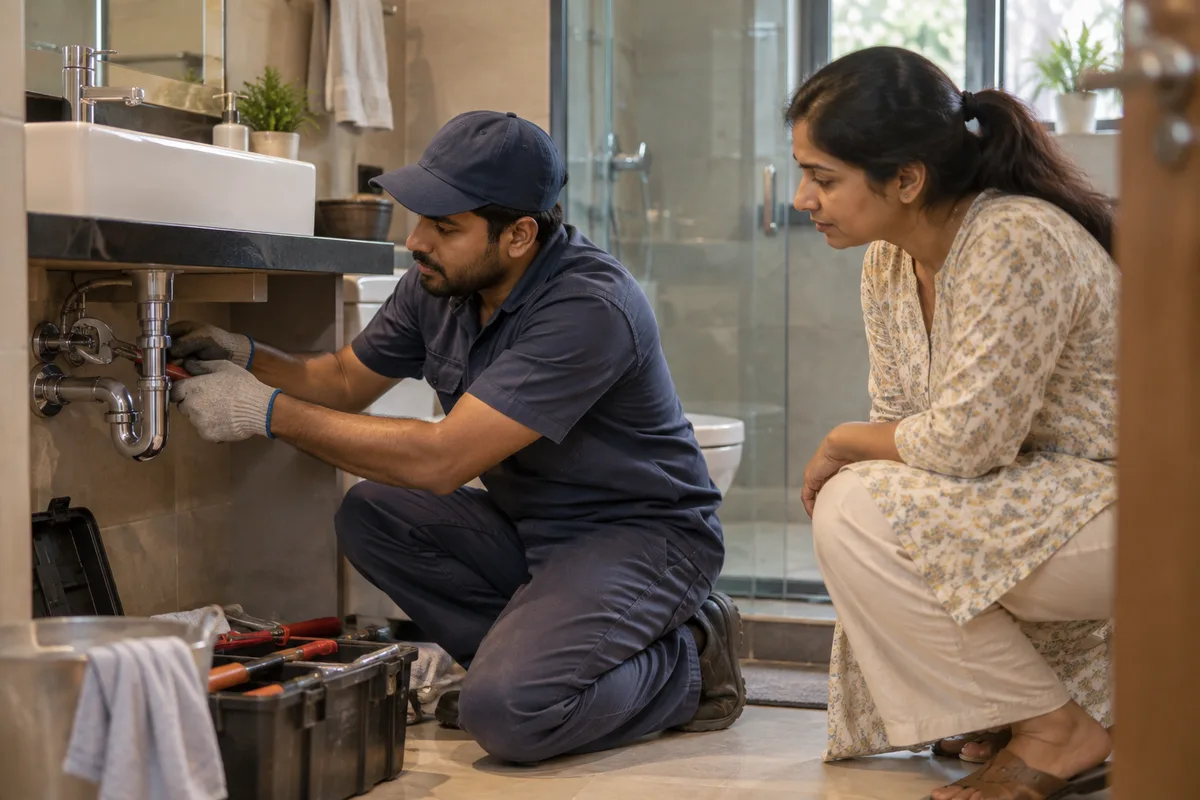
What search engine optimisation means
Search engine optimisation (SEO) is the work of getting your website to appear when a buyer searches Google for what you sell. GullySales builds pages around real search terms, fixes technical issues that block ranking, and tracks which searches actually bring enquiries.
Also for plumbing contractors
- Local SEO for plumbing contractors
- Website for plumbing contractors
- Location page and local content writing for plumbing contractors
- PPC ads for plumbing contractors
- Lead generation for plumbing contractors
- Digital marketing for plumbing contractors
- Reputation management for plumbing contractors
- Branding and identity for plumbing contractors
Sales and marketing for plumbing contractors, the overview.
Last updated 14 Nov 2026.
For plumbing contractors
Where it usually goes wrong, and what we would do.
“The homeowner types what the neighbour said”
Water coming from the ceiling, wall seepage, bathroom leaking into the flat below. Nobody searches for plumbing solutions.
“A purchase officer searches, then looks for a tower”
The officer wants a contractor who has plumbed a building like theirs. A page listing towers with the test record is what they are hunting for.
“Rainwater harvesting is a compliance search”
The person typing it has a notice or a penalty coming, and is looking for a licensed plumber rather than an explanation.
What we do
What we deliver for plumbing contractors.
The work available for this need. We agree the deliverables and responsibilities for your engagement in writing.
A page for each problem, in the customer's words
Seepage, ceiling leak, blocked drain, low pressure and mixer replacement, each written the way the call actually comes in.
Result: The search finds a page about the real problem.
A project page for every tower you have plumbed
Building type, scope, the test followed, photographs of concealed lines before tiling, and a reference who will take a call.
Result: A builder can check you before inviting a rate.
A rainwater harvesting page written for a notice
What the rule asks for in your city, what an inspection involves, and the licence you hold to carry out the work.
Result: The owner facing a penalty rings a licensed contractor.
Licence and registrations stated plainly
The BWSSB licence, trade registrations and GST shown where a builder or an owner looks, rather than explained on a call.
Result: You clear the first check without being asked.
Repair pages and project pages kept apart
Homeowner problems on one path and builder work on another, because a leak call and a plumbing BOQ are different businesses.
Result: Neither visitor lands on the wrong page.
Reporting by page and by kind of work
Calls and forms traced to problem pages, project pages and the harvesting page, against the starting figures.
Result: You can see which page earns its place.
How the result is measured
- Ranking positions
- Organic traffic
- Enquiries from organic search
Recorded as a baseline before work starts, so every later report has an honest comparison.
Searches your buyers type
What a flat owner or a builder types when water is the problem, and the page that answers it.
- plumber near me for urgent leak
- A call-out page. Give the areas you cover, the hours the phone is answered, what a visit charge covers and how a fault is diagnosed before the quote, and show the van and the identity badge.
- bathroom leakage repair in flat without breaking tiles
- A leak page. Explain how you find the source, the repairs that need no breaking and those that do, and when the upstairs neighbour's flat is the cause, so the owner knows what to expect.
- CPVC plumbing contractor for apartment project
- A project page. Name the pipe systems and standards you fit, the pressure test you carry out before closing walls, and show a completed building with the handover documents.
- overhead tank and pump installation
- A pump page. List the pump makes and sizes you fit, the float and the piping, the electrical work involved, and what you check on site, such as the tank location and head.
- drain blockage clearing service
- A drainage page. Describe the machines you use, the typical causes of a blocked line, how you show the owner the result and the advice you give to stop a repeat.
- water tank cleaning and sump cleaning for society
- A society page. Say how a cleaning is planned with the committee, the safety steps, the treatment and the record you give to the secretary after the work.
Who it is for
This is written for these plumbing contractors.
- Plumbing contractors for apartment and villa projects
- Commercial, hospital and hotel plumbing contractors
- Sanitary and bathroom installation specialists
- Drainage, sewer line and STP contractors
- Rainwater harvesting and borewell recharge specialists
- Pump, tank and pressure system installers
- Emergency and repair plumbing services
- Apartment and building maintenance contract providers
Before you decide
When this may not be the right fit.
- Your phone is not answered on site, so a page that ranks for seepage would only bring calls you miss.
- You hold no written record of any tower you have plumbed, so a project page would have nothing to show a builder.
- Your licence and registrations are not in order, so a page that states them would raise questions you cannot answer.
Before you decide
Agree the work. Know how to judge it.
SEO for plumbing contractors: use these checks to prepare, choose the scope, and review what changes.
Bring the right evidence
Bring the pages for the products or services you want to sell, the search queries available in your reports, and examples of enquiries from search. Separate branded searches from buyers discovering you for the first time.
Make the scope clear
Agree which pages and technical fixes come first, who can publish changes, and who supplies subject knowledge. Link search work to a relevant enquiry route on each priority page.
Check the work in use
Follow the trail from a relevant query to its landing page and then to an enquiry. Review whether those enquiries fit your offer, alongside indexing and search visibility.
Know when to change course
A ranking movement alone is not a buying signal. If traffic grows but relevant enquiries do not, revisit page intent and the offer before producing more pages.
These are discussion points, not a fixed package. GullySales confirms the deliverables, responsibilities, fee, and term in writing after reading your brief and speaking with you.
Before we start
What to have ready before the work starts.
The records, access and decisions this work needs from plumbing contractors. Anything missing is noted in the written scope, with who will supply it.
- Your plumbing contractor licence papers
- The licence and any registration with the local water board are what a compliance search is looking for, so we need to see them as issued. Clear photographs are fine. If a registration has lapsed or is in a partner's name, the page states only what is current, and the harvesting page waits.
- Written permission to name each tower
- A project page that names a builder who has not agreed can damage a relationship you still need. Bring a message or a letter for each tower you want shown. Where none exists, the page describes the work by type and locality without the name.
- A month of missed and answered calls
- The page list is built from what callers actually said, so the phone's call history and the JustDial lead sheet matter more than any keyword guess. Raw is acceptable. Without them we fall back on a generic problem list, and the pages will sound like every other plumber's.
- A supervisor free to check facts
- Someone who knows the pipe sizes, the test method and the usual fault in an old flat must read the drafts. This is a person's time, not a document. If nobody can, we publish fewer pages, because a wrong technical claim on a plumbing site loses the builder.
How it works
How the search engine optimisation work runs
The work itself, in order. How an engagement starts, from your brief to a written scope, is set out on our method page.
- 1
Collect the calls your phone already holds
We start with the call log, the JustDial lead messages and the WhatsApp chats from the last season, and read how people describe the fault before they know the word for it. You tell us which jobs paid well and which were a waste of a visit. From that we draw up the list of problems that each get their own page.
- 2
Confirm the licence and the tower list
We ask for your contractor licence, any water board plumbing registration and the names of towers you have plumbed, together with whether the builder is happy to be named. You decide which projects can appear. Anything the builder has not agreed to stays off the site, and we mark those gaps on the plan.
- 3
Rank the leak pages against the project pages
We sit with you and the person who answers the phone and decide which problem pages go live first, based on which calls turn into attended jobs. The project pages and the rainwater harvesting page are scheduled separately, so a builder's search and a flat owner's search never land on the same page.
- 4
Read each draft with a supervisor
A supervisor who has stood in the flat reads every problem page and corrects anything a plumber would not say. Photographs from your own sites replace anything generic. You approve the licence wording yourself, and the pages go live only after your sign-off on the facts.
- 5
Match each call to the page behind it
Before the pages go live we record the number of calls and enquiries you receive now, split into repair and project. Afterwards we read the call and form record page by page and tell you which problem page, project page or harvesting page the caller had opened, so you decide what to write next.
Where this fits
Three pieces of sales work, in this order.
This work sits inside sales process design, at stage 1, prospecting and lead generation. The audit comes before it, and sales management keeps it running.
Step 1
Sales audit
Find where deals are being lost and what to fix first.
Start here if you cannot say where orders are lost.
Step 2 · you are here
Sales process design
One written way to sell, from first enquiry to repeat order.
Start here if every salesperson sells differently.
Step 3
Sales management
A target, a review routine and someone who owns the number.
Start here if the team has targets and no routine.
FAQ
Questions owners ask before they call.
Not here? More answers, or ask on WhatsApp.
We get calls from JustDial. Do we still need a website?
What should a project page show a builder?
Should the pages show our contractor licence?
Should emergency plumbing and project work share a website?
Who writes the problem pages, us or GullySales?
Will the site replace the calls we get from JustDial?
How much does it cost?
How soon will we see results?
Who will actually do the work?
What do you need from us?
From the blog
Further reading for plumbing contractors.
 8 min read · 21 Sept 2026How to advertise to contractorsA contractor is on site, on a phone, with one hand free. Settle whether the contractor or the owner chooses your product, because that decides the plan.
 5 min read · 17 Jul 2026Wording a warranty or guarantee that the customer believes and you can keepA plain-words home service warranty template: what is covered, for how long, what is not and how to claim, so customers trust it and crews can honour it.
More for plumbing contractors
Related work to consider.
Closest to this: search and visibility
Also for plumbing contractors
Or start from the overview: sales and marketing for plumbing contractors.
Your next practical step
Tell us what you are trying to grow, and we will read it before we call.
Eight short steps, mostly taps. Skip anything you would rather answer on the call.