Fine dining restaurants · Lead generation
A fine dining lead is a dated occasion with a party size, not a vague interest.
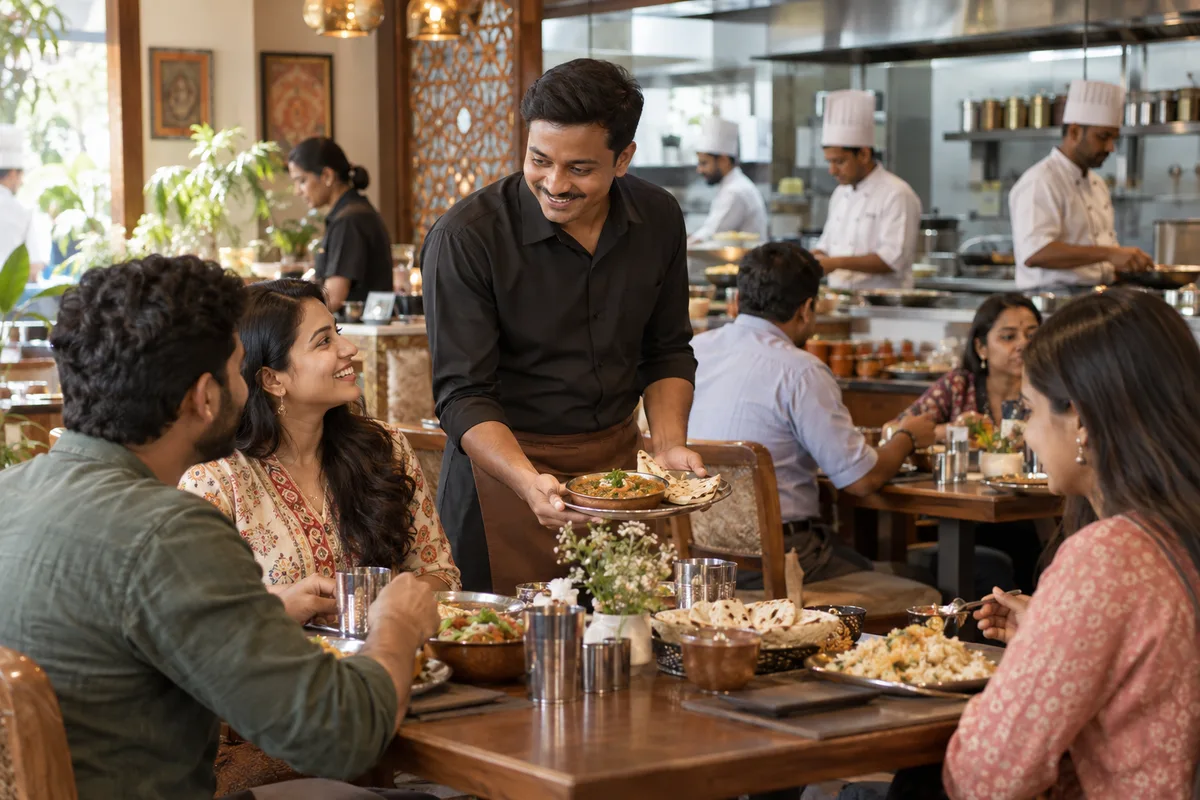
Lead generation for a fine dining restaurant means collecting enquiries that name an occasion, a date and a number of guests, whether for a table, a tasting menu or the private room. GullySales works on the routes that bring those enquiries to your host and on the questions that make each one ready to confirm.
Scope, fee, reporting and term are agreed in writing after we have read your brief and spoken to you.
What lead generation means
Lead generation is the combined work of every channel that brings in a new enquiry, whether from search, adverts, referrals or a stall at an exhibition. GullySales runs these channels together and reports the number of enquiries each one produced, not the activity behind it.
Also for fine dining restaurants
- CRM for fine dining restaurants
- Follow-up systems for fine dining restaurants
- SEO for fine dining restaurants
- Local SEO for fine dining restaurants
- Social media marketing for fine dining restaurants
- Content marketing for fine dining restaurants
- Buyer personas for fine dining restaurants
- WhatsApp marketing for fine dining restaurants
Sales and marketing for fine dining restaurants, the overview.
Last updated 18 Oct 2026.
For fine dining restaurants
Where it usually goes wrong, and what we would do.
“The valuable enquiry names an occasion”
A guest asking about a table for two on a Tuesday is worth less to plan around than a couple marking an anniversary or a host entertaining a visiting client. The enquiry that states the occasion tells the host what to prepare, so lead capture must ask for it.
“Private dining comes from a different buyer”
The person booking the private room is an executive assistant, an HR head or a family organiser, comparing three venues for a set number of guests. They want capacity, a per-head menu and room terms in one place, not a general reservation page.
“Concierges and planners are lead sources you never see”
A hotel desk or a wedding planner recommends a restaurant on the spot, and the guest then books without mentioning who sent them. Without a simple way to record where a booking began, the best sources look like they send nothing.
“Discount platforms deliver covers, not necessarily leads”
A guest who books through a deal arrives for the offer. The restaurant has a name and a phone number but no occasion and no reason to return at full price, so platform covers need a route into your own guest list.
What we do
What we deliver for fine dining restaurants.
Every deliverable, what it covers for you, and the result it is there to produce. Nothing here is an extra.
Enquiry form that asks the occasion
A reservation and enquiry form for the website and the Maps profile that asks date, party size, occasion and any dietary needs, and passes them to the host as one message.
Result: The host opens each enquiry knowing the occasion before replying.
Private dining brief page
A page for the private room with capacity, set menu options, audiovisual details and a form that arrives as a brief for the dinner.
Result: A dinner for twenty reaches the team as a brief, not as a phone call asking if the room is free.
Source record at the host stand
A one-line question at booking, asking how the guest heard of the restaurant, with set options for Maps, a concierge, a planner, a friend and a platform.
Result: Booking sources are counted from a record, not guessed by the manager.
Concierge and assistant outreach list
A list of hotel desks, planners and corporate assistants within reach of the room, each sent a one-page note on the menu and how to book.
Result: The outreach list shows who was approached and who has since sent a booking.
Platform guests moved to your own list
A polite request at the table for permission to message the guest about new menus, so a deal booking becomes a contact you hold.
Result: Every platform booking has a field showing whether the guest agreed to hear from you.
How the result is measured
- Enquiries generated
- Cost per enquiry
- Enquiries by source
Recorded as a baseline before work starts, so every later report has an honest comparison.
Who it is for
This is written for these fine dining restaurants.
- Standalone chef-led restaurants
- Restaurants inside five-star hotels
- Rooftop and terrace fine dining rooms
- Tasting-menu and chef's table concepts
- Fine dining in heritage havelis and palaces
- Wine and whisky pairing restaurants
- Fine dining with a private dining room
- Single-cuisine fine dining, such as Japanese or modern Indian
How it works
How the lead generation work runs
The work itself, in order. How an engagement starts, from your brief to a written scope, is set out on our method page.
- 1
Understand your capacity
We agree how many enquiries your sales team can actually handle well, so the system is not built to overwhelm it.
- 2
Audit current sources
We check what already brings in enquiries today, even informally, before adding anything new.
- 3
Strategise the channel mix
Content, search and paid channels are chosen based on where your buyers already look.
- 4
Implement capture and follow-up
Pages, forms and a follow-up process are built and connected end to end.
- 5
Measure and optimise
We track enquiry volume and quality and adjust the channel mix to match.
Where this fits
Three pieces of sales work, in this order.
This work sits inside sales process design, at stage 1, prospecting and lead generation. The audit comes before it, and sales management keeps it running.
Step 1
Sales audit
Find where deals are being lost and what to fix first.
Start here if you cannot say where orders are lost.
Step 2 · you are here
Sales process design
One written way to sell, from first enquiry to repeat order.
Start here if every salesperson sells differently.
Step 3
Sales management
A target, a review routine and someone who owns the number.
Start here if the team has targets and no routine.
FAQ
Questions owners ask before they call.
Not here? More answers, or ask on WhatsApp.
Should we pay for leads or build our own route?
How do we tell a serious private dining enquiry from a casual one?
How much does it cost?
How long is the contract?
How soon will we see results?
Who will actually do the work?
What do you need from us?
What if we are not happy with the work?
More for fine dining restaurants
Everything else we would do for you.
Closest to this: leads and follow-up
Also for fine dining restaurants
Or start from the overview: sales and marketing for fine dining restaurants.
Your next practical step
Tell us what you are trying to grow, and we will read it before we call.
Eight short steps, mostly taps. Skip anything you would rather answer on the call.