Casual dining restaurants · Social media
Show the table people want to be sitting at before the plan is made.
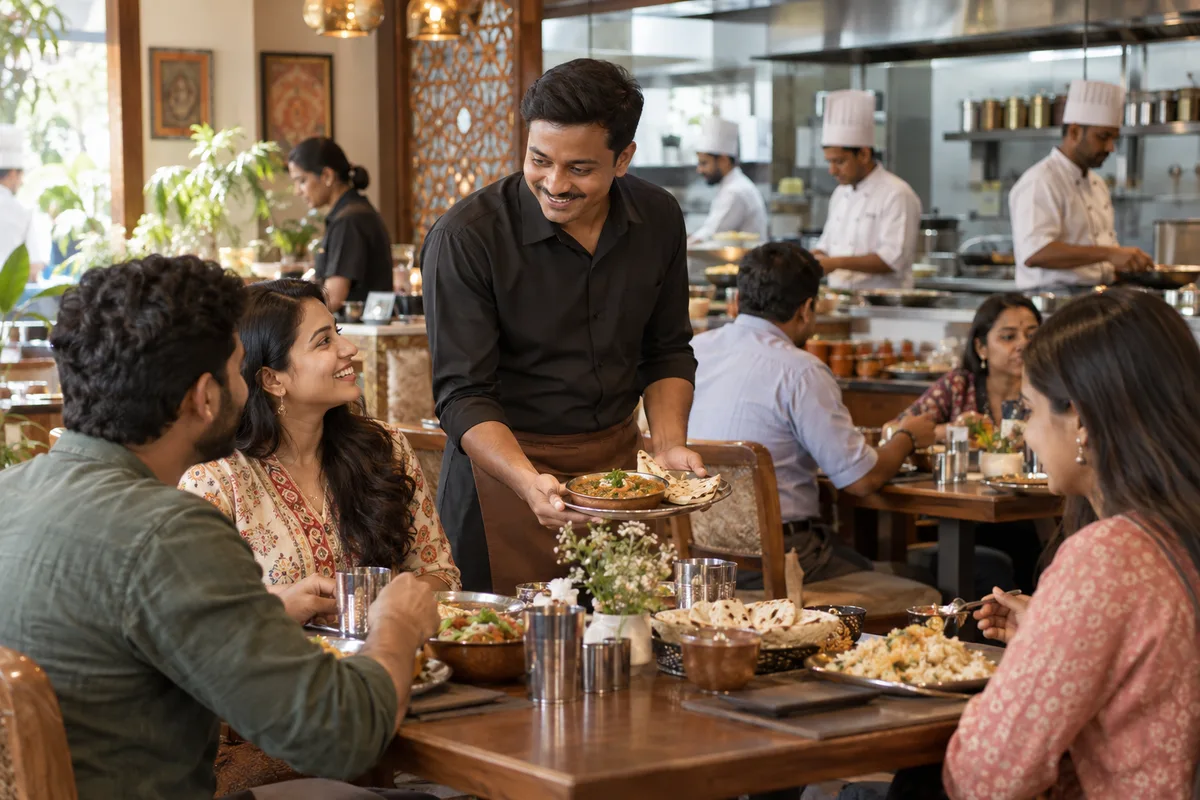
Social media marketing for a casual dining restaurant is posting the food, the room and the evening so friends who see it think of you when a plan forms. GullySales works on the posts, the reels and the replies that turn a view into a booking.
Scope, fee, reporting and term are agreed in writing after we have read your brief and spoken to you.
What social media means
Social media is the ongoing posting your business does on platforms such as Instagram, Facebook and LinkedIn to stay visible to customers and prospects between purchases. GullySales plans a posting calendar, writes captions and designs the images so the page looks active and answers what a visitor would ask.
Also for casual dining restaurants
- Content marketing for casual dining restaurants
- Lead generation for casual dining restaurants
- SEO for casual dining restaurants
- Local SEO for casual dining restaurants
- Buyer personas for casual dining restaurants
- CRM for casual dining restaurants
- Follow-up systems for casual dining restaurants
- WhatsApp marketing for casual dining restaurants
Sales and marketing for casual dining restaurants, the overview.
Last updated 18 Oct 2026.
For casual dining restaurants
Where it usually goes wrong, and what we would do.
“The feed is a window onto Friday night”
A guest scrolling Instagram wants to see what an evening here looks like: the group laughing, the dish arriving, the lights at eight. A feed of menu cards and discount banners shows a shop, not a night out.
“A reel must name the dish and the place”
A video that looks good but never says what the dish is or where the restaurant stands gets a like and no table. The dish name, the area and how to book belong inside the first view.
“Comments and messages are the front door”
Guests ask on a post whether there is a table for ten or if a dish is vegetarian. A slow answer loses the booking, so someone must own the inbox during service hours.
“Creators bring followers, not tables”
A food creator's followers may live in another city. Pick people whose audience is in yours, brief them on one dish and one evening, and ask them to disclose any free meal or fee.
What we do
What we deliver for casual dining restaurants.
The work available for this need. We agree the deliverables and responsibilities for your engagement in writing.
Content plan around evenings
Posts built around the nights you want to fill: quiz night, live music, a celebration setup.
Result: Each slow night has posts leading up to it.
Dish-and-place reels
Short videos of one dish at a time, with the name, the area and the booking route on screen.
Result: Each reel tells a viewer what to order and where.
Booking link in the bio
A link that opens WhatsApp or the booking page, with group enquiries clearly offered.
Result: A viewer can reach a table in one tap.
Inbox reply guide
Short written answers for dietary, group, timing and parking questions, with a named owner.
Result: The team replies the same way every time.
Creator shortlist and brief
Local creators chosen by where their audience lives, each briefed on a single dish and evening.
Result: You know whose followers are your neighbours.
How the result is measured
- Posts published
- Engagement rate
- Enquiries from social profiles
Recorded as a baseline before work starts, so every later report has an honest comparison.
Posts and pieces to plan
Plan posts that show the evening a group would choose.
- A dish with its name and outlet
- A reel of one dish arriving at a table, with the dish, the price and the outlet written on screen.
- The table for twelve
- A post showing how a large group is seated and served, with the set menu and a booking link.
- Weeknight offer
- A post for a slow evening with a clear reason to come, such as a set menu, and the days it applies.
- Inside the kitchen at service
- A short clip of the line at work, kept clean and brief, so the viewer trusts the food before they visit.
- The terrace or the live night
- A post showing the seating or the act, with the hours and the advice to book on busy evenings.
Who it is for
This is written for these casual dining restaurants.
- Bar and kitchen restaurants
- Mall food court and mall-floor restaurants
- Standalone neighbourhood casual diners
- Pub-style and brewery restaurants
- Theme and concept restaurants
- Rooftop and lounge restaurants
- Regional chains with several outlets
- Casual dining attached to a multiplex or entertainment zone
Not for
It is not the right fit if.
- Nobody answers the messages and comments on posts during the evening, so reach would turn into unanswered enquiries.
- The restaurant plans to pay a creator for a post with no offer or booking route to give viewers.
- The photographs are dark or old, and a reel built from them would promise a restaurant that has changed.
Before you decide
Agree the work. Know how to judge it.
Social media marketing for casual dining restaurants: use these checks to prepare, choose the scope, and review what changes.
Bring the right evidence
Review the posts that produced useful conversations, not only the ones with the most views. Gather buyer questions and decide which team member can contribute credible material.
Make the scope clear
Choose the audience and channel before setting a posting volume. Agree who supplies material, approves posts, and handles messages, including complaints or questions the agency cannot answer.
Check the work in use
Follow a post through to the profile, website, and response. A useful report explains the quality of conversations and enquiries, alongside reach and engagement.
Know when to change course
If publishing takes time away from unanswered buyer messages, fix the response routine first. Do not expand to another channel without a clear reason for being there.
These are discussion points, not a fixed package. GullySales confirms the deliverables, responsibilities, fee, and term in writing after reading your brief and speaking with you.
How it works
How the social media work runs
The work itself, in order. How an engagement starts, from your brief to a written scope, is set out on our method page.
- 1
Platform and access agreement
We confirm the audience and platforms covered, then check account ownership. You retain control of the pages and grant the access needed for the agreed work.
- 2
Content input handover
Your team supplies approved product information and usable images or footage. We review existing posts and agree who will answer factual questions during drafting.
- 3
Calendar approval
You review the proposed themes and response routes. Missing information is identified before posts enter production, rather than holding up a finished calendar.
- 4
Draft approval and publication
The named approver checks captions and creative files before scheduling. We also agree which replies can be sent directly and which need your team's decision.
- 5
Sales handover and content decisions
Buying questions go to the agreed sales contact with the conversation attached. Reported enquiries and sales feedback guide changes to the next calendar.
Where this fits
Three pieces of sales work, in this order.
This work sits inside sales process design, at stage 0, foundation. The audit comes before it, and sales management keeps it running.
Step 1
Sales audit
Find where deals are being lost and what to fix first.
Start here if you cannot say where orders are lost.
Step 2 · you are here
Sales process design
One written way to sell, from first enquiry to repeat order.
Start here if every salesperson sells differently.
Step 3
Sales management
A target, a review routine and someone who owns the number.
Start here if the team has targets and no routine.
FAQ
Questions owners ask before they call.
Not here? More answers, or ask on WhatsApp.
Should we run paid ads on Instagram?
Do we need to post on every platform?
Can a casual dining restaurant promote a bar offer on social media?
Should a restaurant respond to every Instagram comment?
How much does it cost?
How long is the contract?
How soon will we see results?
Who will actually do the work?
What do you need from us?
What if we are not happy with the work?
More for casual dining restaurants
Related work to consider.
Closest to this: content and social
Also for casual dining restaurants
Or start from the overview: sales and marketing for casual dining restaurants.
Your next practical step
Tell us what you are trying to grow, and we will read it before we call.
Eight short steps, mostly taps. Skip anything you would rather answer on the call.