Investment casting companies · Social media
Show the part that left the foundry, not the ladle that poured it.
Social media marketing for a foundry means posting finished castings and the stages behind them where design and sourcing engineers will see them. GullySales plans the posts around parts, alloys and process explanations, and keeps the profile consistent with the website.
Scope, fee, reporting and term are agreed in writing after we have read your brief and spoken to you.
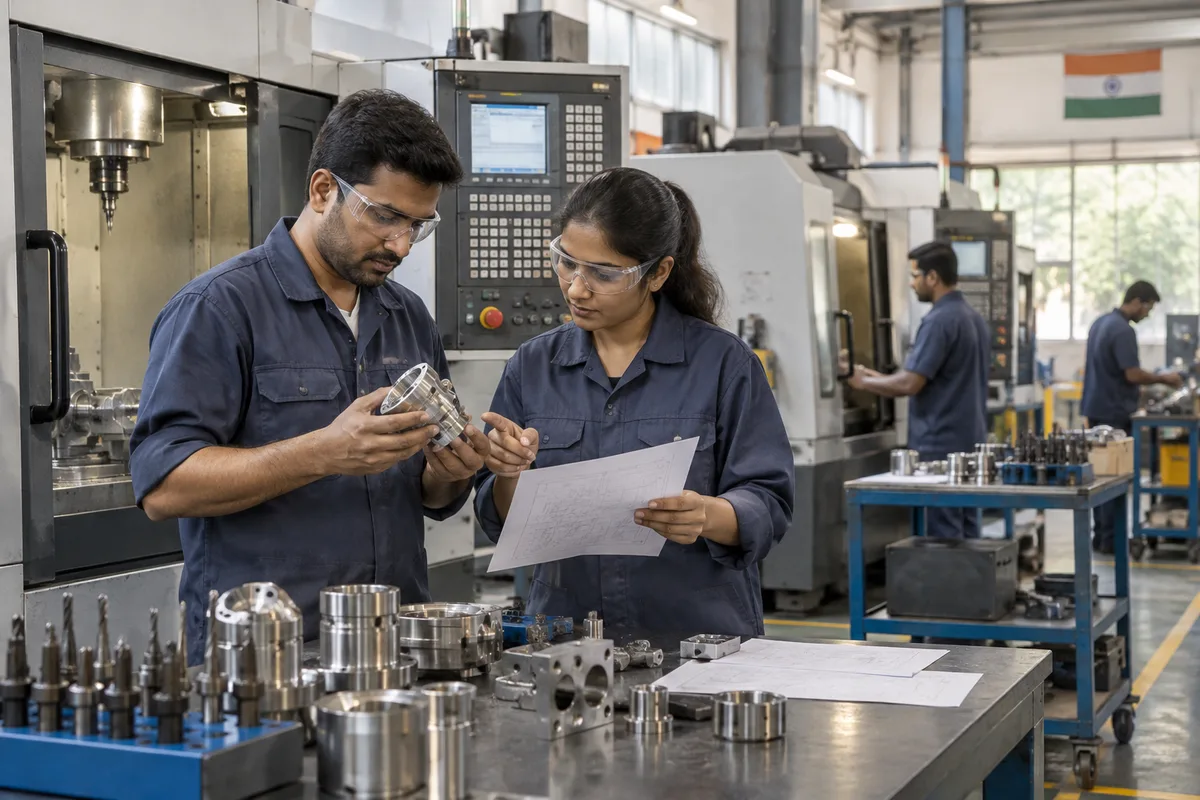
What social media means
Social media is the ongoing posting your business does on platforms such as Instagram, Facebook and LinkedIn to stay visible to customers and prospects between purchases. GullySales plans a posting calendar, writes captions and designs the images so the page looks active and answers what a visitor would ask.
Also for investment casting companies
- Content marketing for investment casting foundries
- Lead generation for investment casting foundries
- SEO for investment casting foundries
- Buyer personas for investment casting foundries
- CRM for investment casting foundries
- Follow-up systems for investment casting foundries
- WhatsApp for investment casting foundries
- Digital marketing for investment casting foundries
Sales and marketing for investment casting companies, the overview.
Last updated 18 Oct 2026.
For investment casting companies
Where it usually goes wrong, and what we would do.
“LinkedIn is where the buyer's colleagues are”
Design heads, quality managers and purchase heads at valve, pump and defence suppliers are on LinkedIn. A company page that posts finished parts reaches the people who forward a vendor name to a colleague.
“A process in stages is a post a buyer saves”
Wax pattern, tree assembly, shell, dewax, pour and knock-out each make a short post. An engineer unfamiliar with the route learns what a wax tool pays for, and remembers the foundry that explained it.
“Pour footage attracts the wrong audience”
A glowing pour draws views from students and enthusiasts. For the buyer, the finished part beside its drawing is the more useful post, so lead with that and use pour footage sparingly.
“Customer parts need permission”
A part made for a named valve maker is that maker's design. Post it only with written agreement, or describe the part type without the customer or drawing.
What we do
What we deliver for investment casting companies.
Every deliverable, what it covers for you, and the result it is there to produce. Nothing here is an extra.
A page profile that states what you cast
A company page with alloys, weight range, finishing and the sectors served, matching the website.
Result: A visitor to the profile knows in a glance whether to send a model.
A part-and-process post series
Posts that pair a finished casting with its alloy, process stage and finishing.
Result: A bank of posts a sales team can share by hand.
Employee and founder profiles set up for B2B
Guidance on how the owner and engineers can post about parts and the foundry, in their own words.
Result: The people a buyer meets online match the foundry's page.
A permissions sheet
A record of which parts and customers may be shown, in what form and with what written agreement.
Result: No post goes out without a recorded permission.
Short explainer posts on tooling
Notes on what the wax tool is, who holds it and why a design review comes first.
Result: The tooling question is answered before the buyer asks it.
How the result is measured
- Posts published
- Engagement rate
- Enquiries from social profiles
Recorded as a baseline before work starts, so every later report has an honest comparison.
Who it is for
This is written for these investment casting companies.
- Valve and pump body foundries for process industries
- Defence and aerospace casting suppliers
- Surgical and orthopaedic instrument casting units
- Golf club head, hardware and fitting foundries
- Auto and railway precision cast part makers
- Stainless steel food and dairy fitting foundries
- Foundries with in-house machining and heat treatment
- Small jobbing investment casters serving machining shops
How it works
From your first message to the first report.
No open-ended retainer. Every step gives you something in writing.
First
Your brief
You tell us what you need in a few short steps: your business, what you want, where enquiries come from and how they are handled.
After the brief
A conversation and a written scope
We read it, then talk with whoever handles your enquiries. If you want our help, the scope, the fee and the reporting come in writing, and nothing starts before you have read them.
Before work starts
Baseline recorded
The numbers this work is meant to move, such as enquiries, quotations, orders, visits or renewals, written down so every later report has an honest comparison.
After the baseline
The first fix goes live
The fix we agreed to start with is put in place and measured against the baseline, whether that is a reply, a follow-up, a page, a listing or the handover between marketing and sales.
As agreed
Report against the baseline
What moved, what did not, and what changes next, in plain words. How often you get it is set in writing before work starts.
At renewal
Renew on the numbers
The term ends and you decide whether to continue from the results. The length is agreed in writing before anything starts.
How the social media work runs
- 1
Understand your audience and platforms
We identify which platforms your specific buyers actually use and what kind of content they respond to.
- 2
Audit current presence
We review existing pages, past content performance and any gaps in consistency.
- 3
Build the content calendar
A plan is created, balancing genuine value with occasional direct offers.
- 4
Implement and post
Content is created and published consistently on the agreed schedule.
- 5
Measure and optimise
We track enquiries alongside engagement and adjust the content mix based on what actually performs.
Why us
Why owners pick GullySales over an agency.
Marketing and sales, as one job
Most agencies stop at the enquiry. We also fix what happens after it: the reply, the follow-up, the quote and the CRM.
The person on the first call does the work
No account managers in between. You are never handed to someone you have not met.
A baseline before anything starts
Your numbers are written down on day one, so every later report compares against something honest.
The fee in writing, split three ways
Our time, your media spend and production on separate lines. You always see what goes to us.
No guarantees we cannot keep
The term is agreed in writing and never a default twelve months. We never promise a ranking or a lead count, because nobody controls those.
One office, and we say so
Nagarbhavi, Bengaluru. We work across India by call and WhatsApp and travel when a session needs to be in person.
#257, 3rd floor, Sri Nanjundeshwara Complex, Nagarbhavi 8th Block, Outer Ring Road. How we work.
Your brief
Tell us what you need, and we will read it before we call.
Eight short steps about your business, what you want and who decides. Most questions are a tap, and you can skip any you would rather answer on the call.
FAQ
Questions owners ask before they call.
Not here? More answers, or ask on WhatsApp.
Is Instagram worth it for a foundry?
Should we post about our certifications?
Who should post, the company or the owner?
How much does it cost?
How long is the contract?
How soon will we see results?
Who will actually do the work?
What do you need from us?
What if we are not happy with the work?
More for investment casting companies
Everything else we would do for you.
Closest to this: content and social
Also for investment casting companies
Or start from the overview: sales and marketing for investment casting companies.
Your next practical step
Tell us what you are trying to grow, and we will read it before we call.
Eight short steps, mostly taps. Skip anything you would rather answer on the call.