Plastic component manufacturers · Social media
Show the shop floor and the parts so vendor teams see a supplier worth a trial.
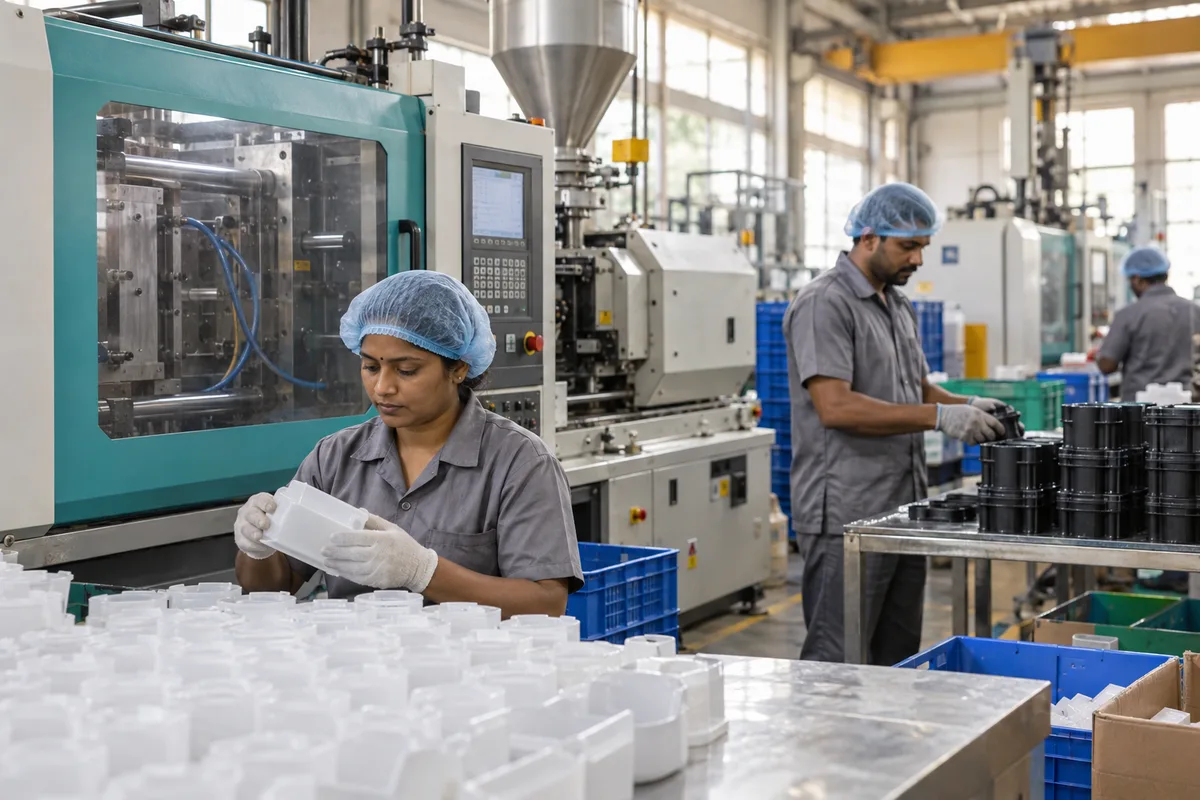
Social media marketing for a plastic component maker is a way of showing buyers and their colleagues what your shop makes and how it works, mostly on LinkedIn and YouTube. It is not a place for viral posts. GullySales works on a plain, regular presence that gives a vendor development engineer something to check before they reply.
Scope, fee, reporting and term are agreed in writing after we have read your brief and spoken to you.
What social media means
Social media is the ongoing posting your business does on platforms such as Instagram, Facebook and LinkedIn to stay visible to customers and prospects between purchases. GullySales plans a posting calendar, writes captions and designs the images so the page looks active and answers what a visitor would ask.
Also for plastic component manufacturers
- Content marketing for plastic component manufacturers
- Lead generation for plastic component manufacturers
- SEO for plastic component manufacturers
- Buyer personas for plastic component manufacturers
- CRM for plastic component manufacturers
- Follow-up systems for plastic component manufacturers
- WhatsApp marketing for plastic component manufacturers
- Digital marketing for plastic component manufacturers
Sales and marketing for plastic component manufacturers, the overview.
Last updated 18 Oct 2026.
For plastic component manufacturers
Where it usually goes wrong, and what we would do.
“The buyer checks you before calling back”
A purchase executive who receives your capability file looks you up on LinkedIn the same evening. A page with no posts and a blurred logo suggests a trading outfit. A page with parts, machines and process photographs suggests a working shop.
“Process pictures answer questions that text cannot”
A turned PTFE seal beside a calliper, a moulded housing on the inspection table, or a row of gears before packing says more about capability than a paragraph. These pictures also give a buyer something to forward to a colleague.
“Your audience is a few hundred named people”
Reach does not matter for a part supplier. What matters is that the right purchase heads, maintenance managers and design engineers see the posts. Connecting with named people from your prospect list beats chasing followers.
“Customer parts need permission”
A photograph of a part made to a customer drawing can reveal the customer's design. Get the buyer's consent, or show only parts of your own design and standard wear parts, before anything is posted.
What we do
What we deliver for plastic component manufacturers.
Every deliverable, what it covers for you, and the result it is there to produce. Nothing here is an extra.
A LinkedIn company page set up for buyers
Page description, part families, materials and process photographs arranged so a vendor development engineer sees capability first.
Result: The page answers what you make, in what materials, and where.
A content plan from the shop floor
A list of post ideas drawn from real jobs: a worn sample matched, a new material handled, a fixture built, an inspection step.
Result: The team has a list of posts that can be photographed in the normal course of work.
A photo routine for the shop
A short guide on angles, light and backgrounds so phone photographs of parts look clean and consistent.
Result: Photographs of parts are usable without a studio.
A connection list from your prospect research
Named purchase and maintenance contacts at target plants, approached with a short note rather than a pitch.
Result: Your posts reach people on your target list.
A video outline for the YouTube channel
Short outlines for videos showing a part being made or matched from a sample, with permission handled.
Result: One or two process videos can be filmed on a phone and published.
How the result is measured
- Posts published
- Engagement rate
- Enquiries from social profiles
Recorded as a baseline before work starts, so every later report has an honest comparison.
Who it is for
This is written for these plastic component manufacturers.
- Engineering plastic machining shops (nylon, POM, PTFE)
- Insulator and electrical component makers
- Gears, bushes, rollers and wear parts makers
- Appliance and consumer durable component suppliers
- Automotive tier-two plastic part suppliers
- Textile and packaging machine spares makers
- Assembly and sub-assembly suppliers
- Pump, valve and fluid system component makers
How it works
From your first message to the first report.
No open-ended retainer. Every step gives you something in writing.
First
Your brief
You tell us what you need in a few short steps: your business, what you want, where enquiries come from and how they are handled.
After the brief
A conversation and a written scope
We read it, then talk with whoever handles your enquiries. If you want our help, the scope, the fee and the reporting come in writing, and nothing starts before you have read them.
Before work starts
Baseline recorded
The numbers this work is meant to move, such as enquiries, quotations, orders, visits or renewals, written down so every later report has an honest comparison.
After the baseline
The first fix goes live
The fix we agreed to start with is put in place and measured against the baseline, whether that is a reply, a follow-up, a page, a listing or the handover between marketing and sales.
As agreed
Report against the baseline
What moved, what did not, and what changes next, in plain words. How often you get it is set in writing before work starts.
At renewal
Renew on the numbers
The term ends and you decide whether to continue from the results. The length is agreed in writing before anything starts.
How the social media work runs
- 1
Understand your audience and platforms
We identify which platforms your specific buyers actually use and what kind of content they respond to.
- 2
Audit current presence
We review existing pages, past content performance and any gaps in consistency.
- 3
Build the content calendar
A plan is created, balancing genuine value with occasional direct offers.
- 4
Implement and post
Content is created and published consistently on the agreed schedule.
- 5
Measure and optimise
We track enquiries alongside engagement and adjust the content mix based on what actually performs.
Why us
Why owners pick GullySales over an agency.
Marketing and sales, as one job
Most agencies stop at the enquiry. We also fix what happens after it: the reply, the follow-up, the quote and the CRM.
The person on the first call does the work
No account managers in between. You are never handed to someone you have not met.
A baseline before anything starts
Your numbers are written down on day one, so every later report compares against something honest.
The fee in writing, split three ways
Our time, your media spend and production on separate lines. You always see what goes to us.
No guarantees we cannot keep
The term is agreed in writing and never a default twelve months. We never promise a ranking or a lead count, because nobody controls those.
One office, and we say so
Nagarbhavi, Bengaluru. We work across India by call and WhatsApp and travel when a session needs to be in person.
#257, 3rd floor, Sri Nanjundeshwara Complex, Nagarbhavi 8th Block, Outer Ring Road. How we work.
Your brief
Tell us what you need, and we will read it before we call.
Eight short steps about your business, what you want and who decides. Most questions are a tap, and you can skip any you would rather answer on the call.
FAQ
Questions owners ask before they call.
Not here? More answers, or ask on WhatsApp.
Is Instagram useful for a plastic component shop?
Who should post, the owner or an agency?
How much does it cost?
How long is the contract?
How soon will we see results?
Who will actually do the work?
What do you need from us?
What if we are not happy with the work?
More for plastic component manufacturers
Everything else we would do for you.
Closest to this: content and social
Also for plastic component manufacturers
Or start from the overview: sales and marketing for plastic component manufacturers.
Your next practical step
Tell us what you are trying to grow, and we will read it before we call.
Eight short steps, mostly taps. Skip anything you would rather answer on the call.