Bakery product manufacturers · Social media
Let a hotel purchase head see your ovens, your range and your van in one scroll.
Social media marketing for a bakery manufacturer means showing the factory, range and festival offers to the buyers who place wholesale and bulk orders, not only to households. GullySales works on which channels suit those buyers, what is posted and how a comment or message reaches the order desk.
Scope, fee, reporting and term are agreed in writing after we have read your brief and spoken to you.
What social media means
Social media is the ongoing posting your business does on platforms such as Instagram, Facebook and LinkedIn to stay visible to customers and prospects between purchases. GullySales plans a posting calendar, writes captions and designs the images so the page looks active and answers what a visitor would ask.
Also for bakery product manufacturers
Sales and marketing for bakery product manufacturers, the overview.
Last updated 14 Nov 2026.
For bakery product manufacturers
Where it usually goes wrong, and what we would do.
“Right pictures, wrong crowd”
Bakery photographs draw household likes, and a like count tells you nothing about a cafe owner. Posts aimed at buyers show the pack, the cut, the stacked rack and the loading bay, with the sizes written beside them.
“A festival post needs a booking door”
A Christmas cake post with no booking form or closing date sends the viewer to the comments, where the question sits unanswered while the oven fills. Every festival post should carry the way to book.
“The process earns trust”
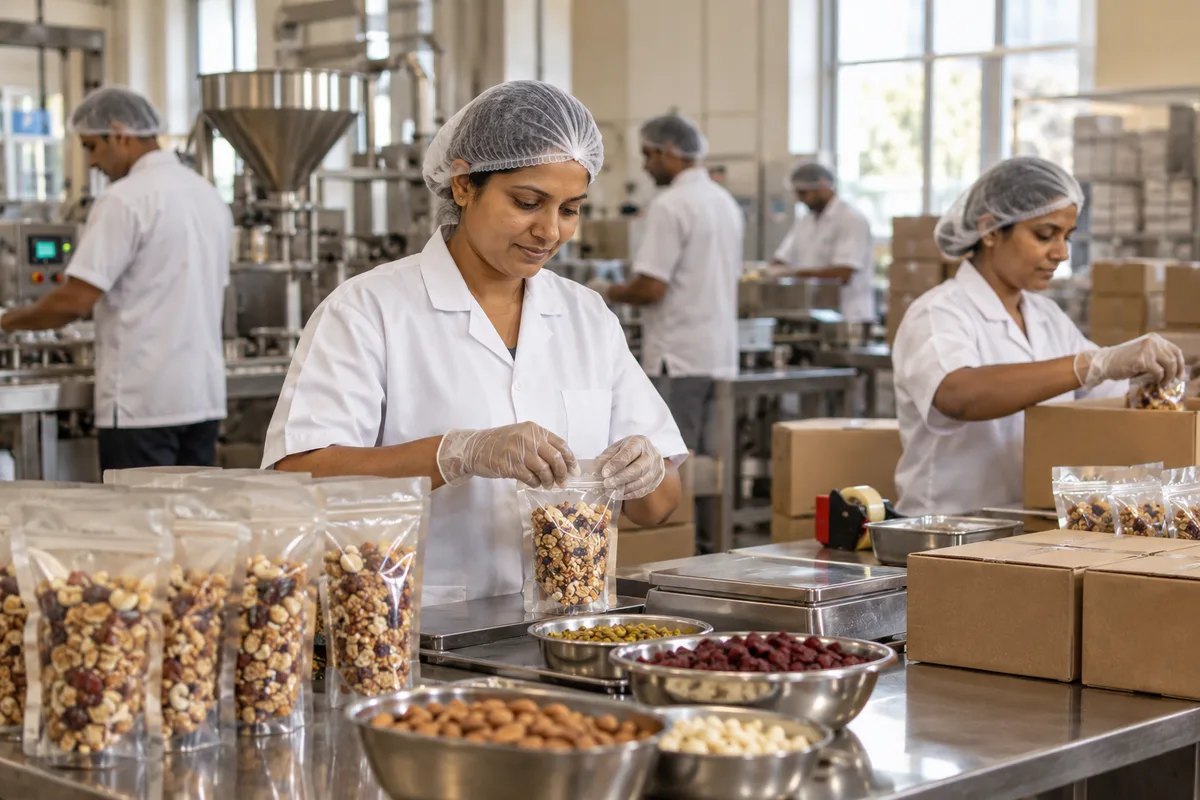
Hotel and institution buyers want to see a clean packing line, labelled crates and an orderly dispatch bay. Pictures of the working floor answer what a brochure cannot, so the shoot plan starts there.
“Messages land on three apps”
Instagram messages, Facebook comments and WhatsApp replies reach different people in the office. With no single place where they are logged, a cafe's question about custom buns is answered by nobody.
What we do
What we deliver for bakery product manufacturers.
The work available for this need. We agree the deliverables and responsibilities for your engagement in writing.
A channel decision
A one-page choice of platforms, based on where cafe, hotel, caterer and gifting buyers look, with the reason for each one skipped.
Result: The channels you run and those you leave are written down with reasons.
A seasonal post plan
Festival, monsoon tea-time and everyday range posts laid against the production calendar, each with an order or booking route.
Result: Each planned post names the way a viewer orders.
A factory shoot list
Shots worth taking at the line, the pack table and the van, with notes on hygiene and what not to show.
Result: The photographer works from a list and the plant knows what will be shown.
Inbox rules
A rule for who answers a comment, a message or a WhatsApp reply, and where each is logged.
Result: Every message has a named owner and a line in the enquiry log.
Wholesale-ready profiles
Bio, link and a pinned post that state the wholesale order contact and the areas supplied.
Result: A buyer opening the profile finds the order contact without scrolling.
How the result is measured
- Posts published
- Engagement rate
- Enquiries from social profiles
Recorded as a baseline before work starts, so every later report has an honest comparison.
Posts and pieces to plan
Posts that show a purchase head the range and the bakery floor.
- The morning bake
- A short video of loaves leaving the oven and loading onto vans. Needs the floor to be clean and staff in their kitchen gear.
- Range of the week for cafes
- A photo of buns, pav or rolls with pack sizes written on it. Needs a clear pack photo and the contact route.
- Festival cake booking
- A dated post with the cut-off for orders and the pack types. Needs a booking route that someone answers.
- A route van loading
- A photo set of the dispatch bay at the hour vans leave, which shows how fresh product reaches the shelf.
- Behind the dough room
- A short clip on mixing and proofing, shot with permission from the people shown.
Who it is for
This is written for these bakery product manufacturers.
- Bread, bun and pav manufacturers supplying general stores and supermarkets
- Cake and pastry makers supplying cafes, hotels and retail counters
- Rusk, toast and tea-time bakery manufacturers
- Plum cake and festival cake specialists
- Bakery makers supplying QSR chains and burger buns
- Biscuit and cookie bakeries linked to bakery retail
- Frozen dough and par-baked product suppliers
- Bakeries that run their own outlets and also supply wholesale
Before you decide
When this may not be the right fit.
- You have no staff member who can answer a message on the day it arrives, so festival bookings would stall in the inbox.
- The bakery floor is not ready to be filmed, and a poor clip would put off the very hotel kitchen you want to win.
- You want posts to replace the route salesperson's visits, when a new outlet still needs a person to call.
Before you decide
Agree the work. Know how to judge it.
Social media marketing for bakery manufacturers: use these checks to prepare, choose the scope, and review what changes.
Bring the right evidence
Review the posts that produced useful conversations, not only the ones with the most views. Gather buyer questions and decide which team member can contribute credible material.
Make the scope clear
Choose the audience and channel before setting a posting volume. Agree who supplies material, approves posts, and handles messages, including complaints or questions the agency cannot answer.
Check the work in use
Follow a post through to the profile, website, and response. A useful report explains the quality of conversations and enquiries, alongside reach and engagement.
Know when to change course
If publishing takes time away from unanswered buyer messages, fix the response routine first. Do not expand to another channel without a clear reason for being there.
These are discussion points, not a fixed package. GullySales confirms the deliverables, responsibilities, fee, and term in writing after reading your brief and speaking with you.
Before we start
What to have ready before the work starts.
The records, access and decisions this work needs from bakery product manufacturers. Anything missing is noted in the written scope, with who will supply it.
- Access to every social account
- We cannot edit or schedule anything without admin rights on the accounts you own. Bring the logins, or add us as managers. Accounts set up by a former employee are recovered first, because the plan depends on controlling what buyers see. Include the page that holds the business phone number and the one that holds the photographs.
- The festival booking cut-off dates
- Seasonal posts must state when bulk orders close, and only the owner knows the limits of the plant. Bring the cut-off date for each festival. Without it, posts invite orders you may have to refuse, and a refused buyer remembers the refusal for the next season.
- A supervisor who can walk the plant
- The shoot needs someone from production to open doors and say what may be shown. Name that person and a time when the line is quiet. Without one, we photograph only the outside of the building, and the account says little about how your bread is made.
- Your rule on photographs of staff
- Decide who may appear in pictures and who may not, and tell the whole team before the shoot. A short written note is enough. Without a rule, a person who never agreed may see a face online, and the post has to come down. Write it where the team can read it, such as on the notice board by the packing hall.
- The numbers messages should lead to
- Messages on each app must lead to a phone that someone answers. Name the numbers and the hours they are watched. If the lines are unattended, the profile says when a reply will come, so that a trade buyer is not left in silence. Test each number once from an outside phone before the posts go out.
How it works
How the social media work runs
The work itself, in order. How an engagement starts, from your brief to a written scope, is set out on our method page.
- 1
Decide which platform buyers actually use
We ask your sales staff and drivers where shop owners, kitchen heads and gifting buyers spend time online, and look at which accounts they follow. You tell us what has been tried before. The channel choice is made on this evidence, so that effort goes to the place where wholesale buyers really are.
- 2
Walk the factory with a shoot list
We prepare a list of pictures worth taking: ovens, proving, packing, the vans loading and the labels. You or your supervisor walks the plant with a phone, and we agree what stays off camera. Staff who prefer not to appear are left out, and recipes are never shown.
- 3
Plan seasonal posts around order windows
With the festival dates and the last day for bulk orders in hand, we plan posts that begin before demand peaks. You confirm what the plant can supply. Every festival post ends in a plain way to book, either a call or a message to the business number.
- 4
Set the rules for the inbox
Messages reach three apps, so we agree who reads which and who answers. You name the person and their hours. We write replies for price, minimum order and delivery area, and anything about a quality complaint is passed to you at once for a personal reply.
- 5
Rewrite the profiles for trade buyers
We rewrite the profile text so that a shop owner or kitchen head sees at once that you supply trade buyers, with the area, the range and the contact. You approve the wording. Language written for household shoppers is replaced, since it tells a purchase head that you are not their kind of supplier.
- 6
Read bookings against the posts
After the season we count the enquiries, calls and orders that mention a post against the figures noted before the work began. You tell us which posts a buyer brought up in conversation. The next plan keeps the post types that led to a booking and drops those that only collected approval.
Where this fits
Three pieces of sales work, in this order.
This work sits inside sales process design, at stage 0, foundation. The audit comes before it, and sales management keeps it running.
Step 1
Sales audit
Find where deals are being lost and what to fix first.
Start here if you cannot say where orders are lost.
Step 2 · you are here
Sales process design
One written way to sell, from first enquiry to repeat order.
Start here if every salesperson sells differently.
Step 3
Sales management
A target, a review routine and someone who owns the number.
Start here if the team has targets and no routine.
FAQ
Questions owners ask before they call.
Not here? More answers, or ask on WhatsApp.
Should we post every day?
Can we show customers eating our products?
Which platform suits a bakery that sells wholesale?
Can we claim our products are made with pure ingredients?
Who in the plant should hold the social accounts?
What should we do with a complaint posted publicly by a shop owner?
How much does it cost?
How long is the contract?
How soon will we see results?
Who will actually do the work?
More for bakery product manufacturers
Related work to consider.
Closest to this: content and social
Also for bakery product manufacturers
Or start from the overview: sales and marketing for bakery product manufacturers.
Your next practical step
Tell us what you are trying to grow, and we will read it before we call.
Eight short steps, mostly taps. Skip anything you would rather answer on the call.