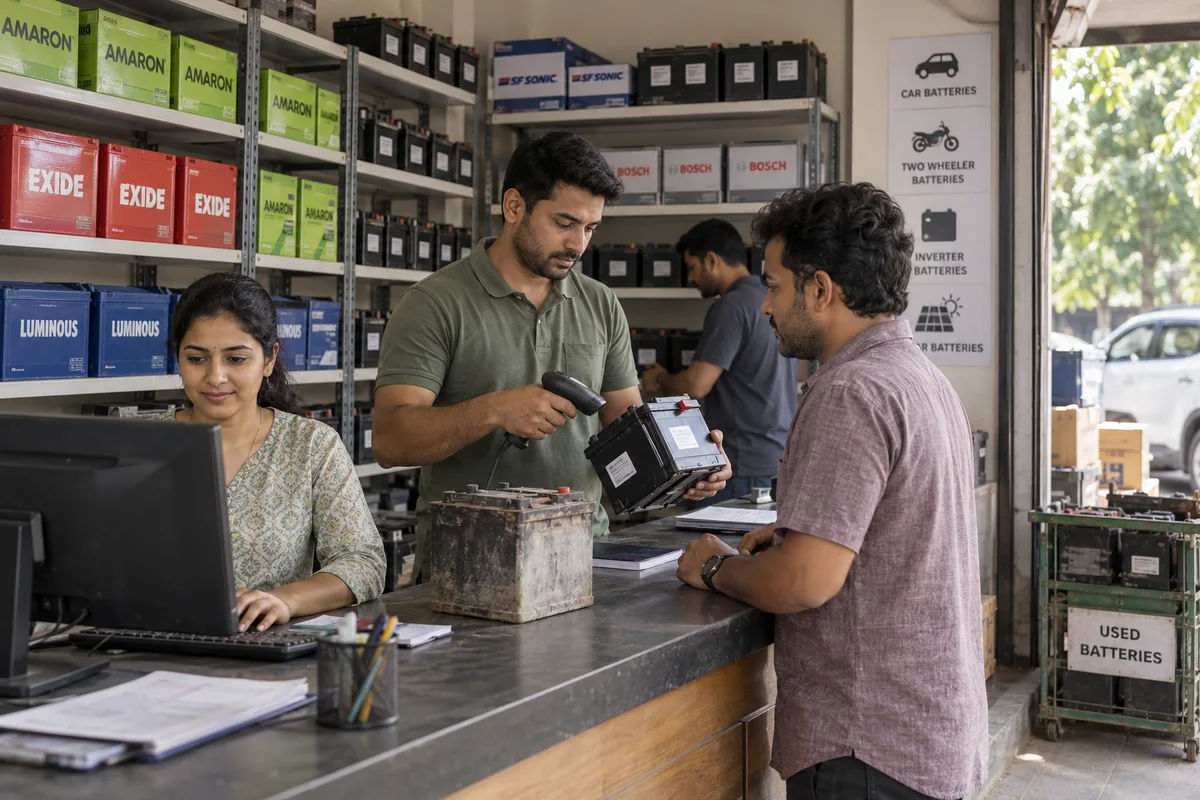
How people choose in this industry
In the replacement market, the dealer decides, weighing margin, the old-battery exchange rate, how fast warranty claims are settled, and whether the maker sends stock on time in the season. A brand with an advertising name but a slow claim record loses the shop.
OEMs choose through trials and approvals. A two-wheeler, e-rickshaw or inverter maker tests samples, checks safety and cycle life against its own specification, audits the plant and negotiates a supply agreement. For lithium packs, the buyer also asks about the cell source and the battery management system.
Industrial and telecom buyers write a specification and compare approved vendors. Service response and an installed base they can visit count as much as price. Rules on batteries, recycling and safety differ by product and change, so check with your own compliance adviser.
The decision before implementation
Define the process and access permissions before changing software settings or adding automation.
Existing industry priorities to review
- Inverter batteries through retail dealers
- Two-wheeler and car battery replacement
- E-rickshaw and low-speed EV battery supply
- Lithium packs for energy storage
- Industrial batteries for telecom and UPS
These describe the industry's wider priorities. The written scope identifies which this service will address.