Bedsheet manufacturers · Lead generation
Find the wholesalers, sellers and purchase heads who order bedsheets by the carton.
Lead generation for a bedsheet maker means putting your range in front of buyers who order in volume, and recording each enquiry with its fabric, size and quantity. GullySales works on the sources, the catalogue request and the record that follows.
Scope, fee, reporting and term are agreed in writing after we have read your brief and spoken to you.
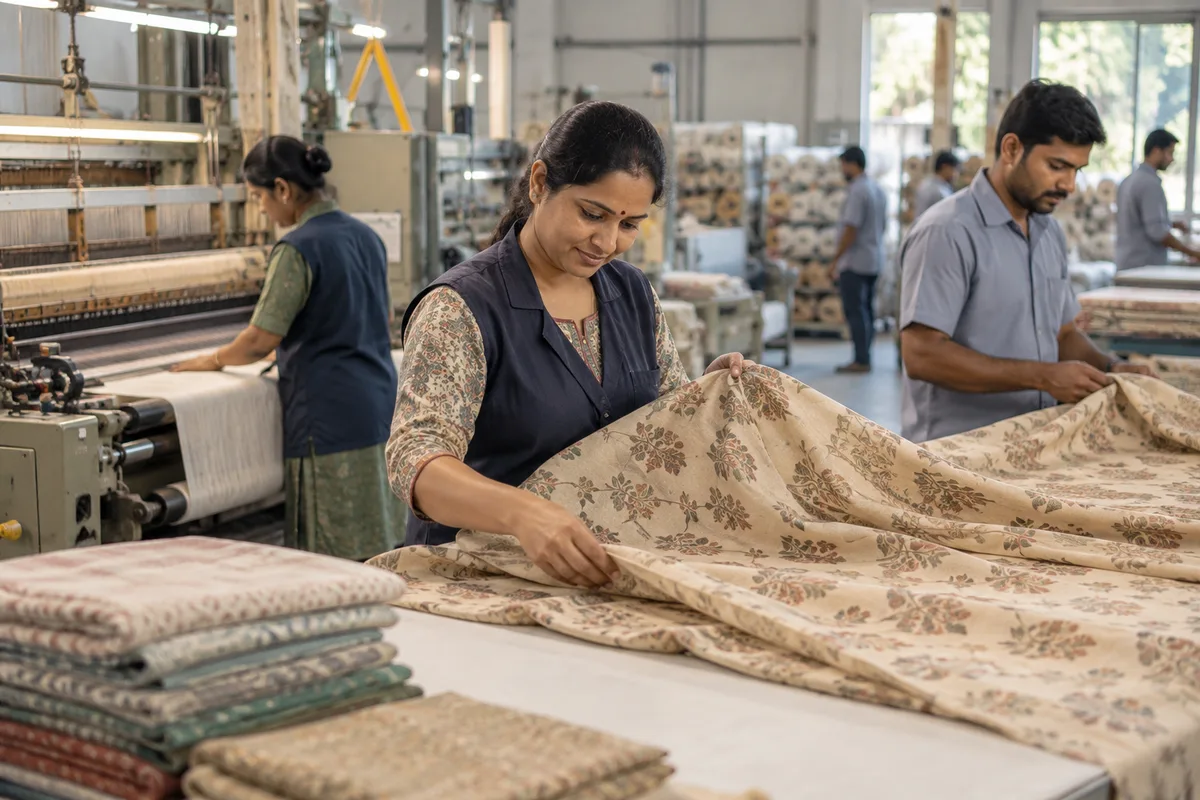
What lead generation means
Lead generation is the combined work of every channel that brings in a new enquiry, whether from search, adverts, referrals or a stall at an exhibition. GullySales runs these channels together and reports the number of enquiries each one produced, not the activity behind it.
Also for bedsheet manufacturers
- CRM for bedsheet manufacturers
- Follow-up systems for bedsheet manufacturers
- SEO for bedsheet manufacturers
- Social media marketing for bedsheet manufacturers
- Content marketing for bedsheet manufacturers
- Buyer personas for bedsheet manufacturers
- WhatsApp marketing for bedsheet manufacturers
- Digital marketing for bedsheet manufacturers
Sales and marketing for bedsheet manufacturers, the overview.
Last updated 13 Nov 2026.
For bedsheet manufacturers
Where it usually goes wrong, and what we would do.
“A rate query is not yet a lead”
A message that says only "rate for double bedsheet" tells you nothing about fabric, pack or quantity. Until someone asks those questions and writes the answers down, the enquiry cannot be compared with the one that arrived yesterday.
“Each buyer group arrives from a different place”
Textile market wholesalers come through trade contacts and listings, online sellers through marketplaces and sourcing groups, and hostel purchase staff through direct introductions. One source count hides which group is actually paying.
“A catalogue request shows more intent than a click”
A buyer who fills a form asking for the printed cotton range has named what they want to stock. That is a stronger signal than a visit to a page, and it hands you a design to talk about.
What we do
What we deliver for bedsheet manufacturers.
The work available for this need. We agree the deliverables and responsibilities for your engagement in writing.
A catalogue request form
A short form asking for the buyer's business type, fabric interest and usual order size before the catalogue is sent.
Result: Every catalogue sent has a buyer type and a quantity band beside it.
An enquiry log by source
One sheet noting where each enquiry came from, which design it named and what happened next.
Result: You can read off which source produced paying wholesalers and which produced only rate queries.
Buyer group landing pages
Separate pages for wholesalers, private label sellers and institutions, each showing the pack sizes and minimums that group asks about.
Result: A hostel purchase officer lands on a page written for them, not for a trader.
A qualifying question set
Four or five questions the first reply always asks: fabric, size, quantity, packing and delivery town.
Result: A rate quote goes out only after the answers are on record.
A listings review
A check of how your products appear on trade portals and marketplaces, with the photographs and details corrected.
Result: Each listing carries fabric, size range and minimum quantity.
How the result is measured
- Enquiries generated
- Cost per enquiry
- Enquiries by source
Recorded as a baseline before work starts, so every later report has an honest comparison.
What to capture
Record these details when a trader or seller asks for rates.
- Buyer group
- Wholesaler, retail chain, online seller or institution. The group decides the sample set, the rate sheet and who follows up.
- Fabric and size asked for
- Pure cotton, polycotton or microfibre, in double, king or single. A vague query is answered with the wrong cartons.
- Quantity in cartons
- Tells you whether the buyer is a trial order, a regular trader or a private label seller with a set order plan.
- Market or city of resale
- Shows whether the buyer overlaps a trader you already supply, and whether to offer the design to them.
- Catalogue or sample requested
- A catalogue request is lighter intent than a sample set, and the follow-up call should match which one came in.
Who it is for
This is written for these bedsheet manufacturers.
- Pure cotton bedsheet makers
- Polycotton and microfibre bedsheet units
- Printed and block-print bedsheet manufacturers
- Double, king and single bedsheet specialists
- Bedding set and comforter cover makers
- Hotel, hostel and hospital linen suppliers
- Private label units for online sellers
- Wholesale suppliers to textile market traders
Not for
It is not the right fit if.
- You cannot supply a sample set without disturbing production, so each sample request would delay the cartons already promised.
- Nobody keeps the rate list current, and a lead answered with an old rate becomes a dispute.
- You have not decided which buyer groups you will serve, and the enquiries would arrive for sizes and fabrics you do not make.
Before you decide
Agree the work. Know how to judge it.
Lead generation for bedsheet manufacturers: use these checks to prepare, choose the scope, and review what changes.
Bring the right evidence
Define the organisations or buyers you can serve and the reasons they would consider a conversation. Bring examples of accepted and rejected prospects so the selection rule is visible.
Make the scope clear
Agree the research sources, contact approach, qualification rules, and handover. Clarify which meetings count as accepted and what happens to replies that are not ready to buy.
Check the work in use
Review why a prospect was selected and what was learned from the response. Count held, relevant conversations separately from contacts found, messages sent, or meetings booked.
Know when to change course
If the same objection appears repeatedly, adjust the offer or buyer group before increasing outreach. Respect a request to stop contact and keep the exclusion in the record.
These are discussion points, not a fixed package. GullySales confirms the deliverables, responsibilities, fee, and term in writing after reading your brief and speaking with you.
Before we start
What to have ready before the work starts.
The records, access and decisions this work needs from bedsheet manufacturers. Anything missing is noted in the written scope, with who will supply it.
- A year of enquiry records
- Whatever you hold counts: a sales diary, a WhatsApp export, a phone's call history or a sheet kept by an agent. We use it to learn which buyers have asked for what. If no record exists, we begin the log from today and say that no comparison with last year is possible.
- Sample and catalogue stock on hand
- A catalogue request is a promise, so a printed catalogue, a digital file or a swatch card must be ready to send. Check the current prints and sizes. Without a catalogue you can stand behind, we switch the page to a plain contact form and the buyer is called instead.
- Your minimum order and carton terms
- A buyer who asks for rates needs to know the smallest lot you will make and how it is packed. You decide these, since they come from your looms and your margins. If they are not settled, we collect the enquiry and leave your salesperson to quote each case by hand.
- The person who calls back
- Trade buyers judge a supplier by how soon the first reply comes, and by who gives it. Name the person and the hours they are reachable on the phone. Without a named caller, enquiries sit in the log and the sources look weaker than they are.
- A list of buyers you do not want
- Some enquiries are from traders who want only the lowest rate, resellers who copy designs, or buyers who failed to pay before. Give us the kinds you wish to decline, in your own words. We will then filter on those answers rather than treat all enquiries as welcome.
How it works
How the lead generation work runs
The work itself, in order. How an engagement starts, from your brief to a written scope, is set out on our method page.
- 1
Read the last year's rate queries
We open the enquiry sheet, the WhatsApp chats and the call notes from the past year and mark each one by buyer type: wholesaler, chain buyer, online seller, hotel or hospital purchaser. You correct our guesses from what you remember of the account. The result is a plain picture of who actually asks for rates today.
- 2
Choose the first buyer group with you
We set the groups side by side against your looms or stitching capacity, your margins and the sample cost, and ask which group you would be glad to win ten more of. You decide, and the choice is written down. The other groups are kept for later so effort is not scattered across all four at once.
- 3
Write the questions a buyer must answer
We draft the short set of questions that turns a bare rate request into a usable enquiry: fabric, size, quantity, pack type, destination and whether they want private labelling. You cut anything your sales staff would not read. A buyer who skips the questions still reaches you, but is placed in a lower tier of attention.
- 4
Set up the catalogue request and the log
We build the catalogue request page, the enquiry log with its source column, and the alert that reaches whoever answers. Your staff send themselves a test request from a phone and a laptop. We confirm the log shows the source and that the catalogue file reaches the sender the same day it is asked for.
- 5
Hand over the first week of live enquiries
Once the page is live, we sit with your sales staff over the first enquiries that arrive, reading each against the questions and showing how to mark it as qualified, parked or closed. You decide who calls which. We adjust any question that buyers consistently leave blank or misunderstand.
- 6
Compare the log with orders and samples
We take the sources recorded in the enquiry log and set them against samples sent and orders booked in your own register, then compare with the counts taken before the work began. Together we decide which source earns more attention, which is dropped, and which buyer group comes next.
Where this fits
Three pieces of sales work, in this order.
This work sits inside sales process design, at stage 1, prospecting and lead generation. The audit comes before it, and sales management keeps it running.
Step 1
Sales audit
Find where deals are being lost and what to fix first.
Start here if you cannot say where orders are lost.
Step 2 · you are here
Sales process design
One written way to sell, from first enquiry to repeat order.
Start here if every salesperson sells differently.
Step 3
Sales management
A target, a review routine and someone who owns the number.
Start here if the team has targets and no routine.
FAQ
Questions owners ask before they call.
Not here? More answers, or ask on WhatsApp.
Should we chase every rate query?
Which buyer group should come first?
Is a rate query from a stranger worth a call?
Which buyer group should come first?
Do you call the buyers who enquire?
How do we avoid giving rates to design copiers?
How much does it cost?
How long is the contract?
How soon will we see results?
Who will actually do the work?
More for bedsheet manufacturers
Related work to consider.
Closest to this: leads and follow-up
Also for bedsheet manufacturers
Or start from the overview: sales and marketing for bedsheet manufacturers.
Your next practical step
Tell us what you are trying to grow, and we will read it before we call.
Eight short steps, mostly taps. Skip anything you would rather answer on the call.