Cleaning chemical manufacturers · Search engine optimisation
Write the page that answers the housekeeping manager's search for a washroom smell.
SEO for a cleaning chemical maker is the work of making your site appear when a buyer searches for a product, a surface or a supplier. GullySales works on pages written by use and surface, on how your products are named for searchers, and on the technical basics of your site.
Scope, fee, reporting and term are agreed in writing after we have read your brief and spoken to you.
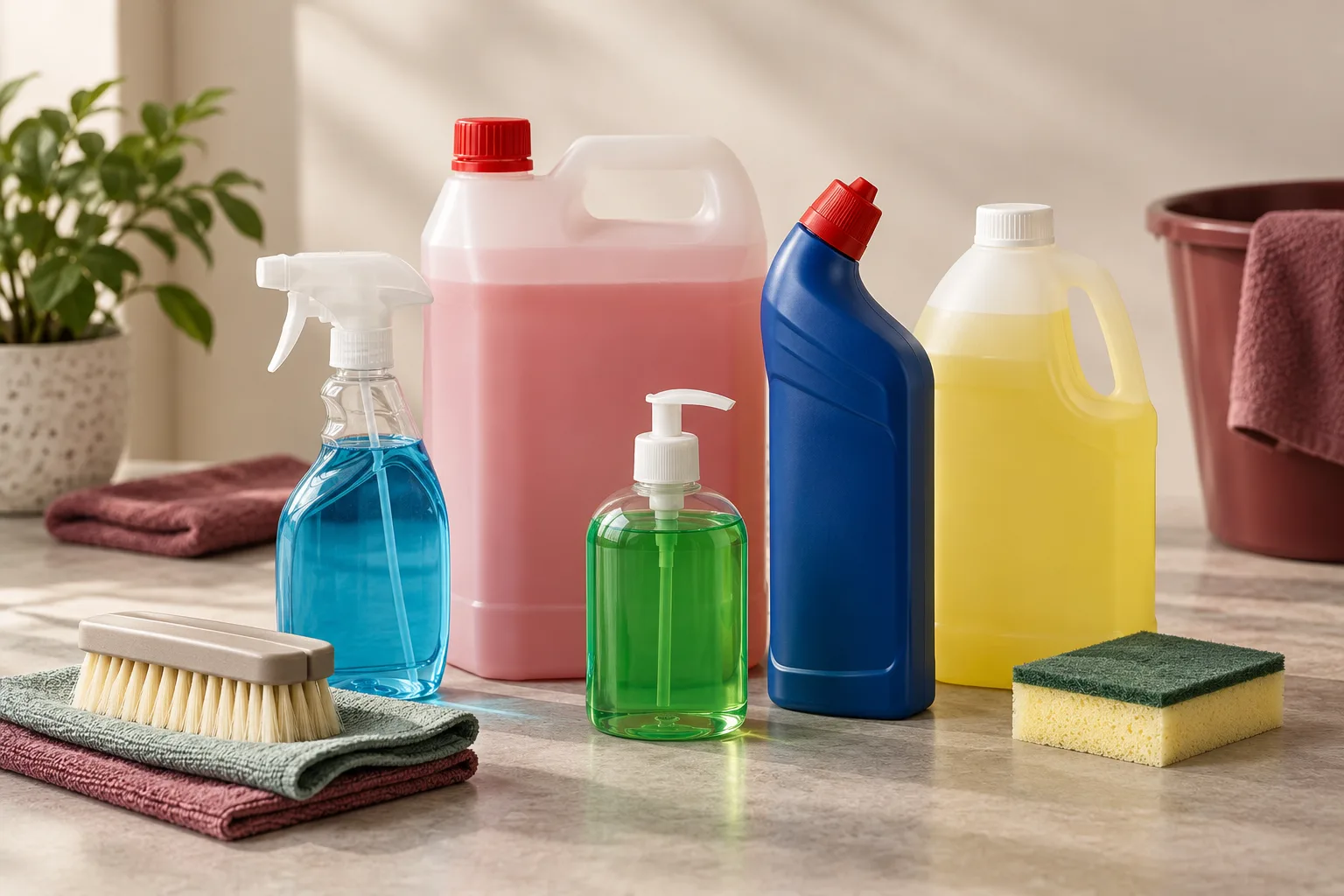
What search engine optimisation means
Search engine optimisation (SEO) is the work of getting your website to appear when a buyer searches Google for what you sell. GullySales builds pages around real search terms, fixes technical issues that block ranking, and tracks which searches actually bring enquiries.
Also for cleaning chemical manufacturers
- Local SEO for cleaning chemical manufacturers
- Website for cleaning chemical manufacturers
- Lead generation for cleaning chemical manufacturers
- Social media marketing for cleaning chemical manufacturers
- Content marketing for cleaning chemical manufacturers
- Buyer persona for cleaning chemical manufacturers
- CRM for cleaning chemical manufacturers
- Follow-up systems for cleaning chemical manufacturers
Sales and marketing for cleaning chemical manufacturers, the overview.
Last updated 14 Nov 2026.
For cleaning chemical manufacturers
Where it usually goes wrong, and what we would do.
“Buyers search by the problem, not the product code”
A supervisor types floor smells after mopping or hospital grade floor cleaner supplier. A catalogue page headed with an internal product code answers neither search, however good the formulation is.
“Safety data sheets and spec pages are search material”
Buyers look for a data sheet before they call. A page that lists the product, its use, its pack sizes and a downloadable sheet gives search something to show and gives the purchase head something to forward.
“Directory listings compete with your own site”
Trade directories rank for supplier searches and take the enquiry. Your site needs pages that are specific enough to rank beside them, and a consistent name, address and product list so the two agree.
What we do
What we deliver for cleaning chemical manufacturers.
The work available for this need. We agree the deliverables and responsibilities for your engagement in writing.
Use and surface page set
One page for each task, such as hospital floors, hotel kitchens, laundry and washrooms, naming the right products and cautions.
Result: A search about a surface lands on a page written for that surface.
Product pages with plain names
Each product named the way buyers say it, with use, dilution, pack sizes and a link to its data sheet.
Result: A product page reads the way a supervisor would describe the job.
Keyword map by buyer type
A list of the phrases used by contractors, purchase heads and distributors, matched to the page that answers each.
Result: Every important phrase has one page responsible for it.
Technical check of the site
A review of page speed on phones, broken links, duplicate pages and how data sheets are linked, reported in a plain list.
Result: The owner gets a written list of faults, in order of importance.
Search Console setup
Google Search Console connected so you can see which searches already bring visitors and which pages are not being found.
Result: You can open the report and see the searches that reached the site.
How the result is measured
- Ranking positions
- Organic traffic
- Enquiries from organic search
Recorded as a baseline before work starts, so every later report has an honest comparison.
Searches your buyers type
Housekeeping buyers search the smell, the stain and the surface.
- how to remove hard water stains from washroom tiles
- A use page for washrooms naming the surface, the product that suits it, the dilution and the safety steps. Link it to the product page.
- floor cleaner for hospital use
- A page on floor cleaners for institutions, written in plain terms and checked by your technical head. Make no claims your test reports do not support.
- kitchen degreaser for hotels bulk
- A degreaser page for hotel and canteen kitchens with pack sizes, dilution and a trial request form.
- safety data sheet for cleaning chemical
- A page listing data sheets by product, if you choose to make them public. A buyer who researches before calling looks for it.
- private label floor cleaner manufacturer
- A page for private label buyers stating what you can make, the minimum batch and the labelling steps. Keep it apart from your brand pages.
Who it is for
This is written for these cleaning chemical manufacturers.
- Floor cleaner, disinfectant and toilet cleaner makers selling to institutions
- Kitchen degreaser and dishwash chemical makers for hotels and canteens
- Laundry chemical makers supplying laundries and hospitals
- Hospital and healthcare-use surface cleaner makers
- Car wash and vehicle cleaning chemical makers
- Household cleaner makers selling in retail packs
- Private label cleaning chemical makers
- Industrial degreaser and workshop cleaner makers
Before you decide
When this may not be the right fit.
- Product claims on the site have not been checked against test reports, so pages would risk saying more than you can prove.
- The range is changing, and pages written now would describe products you are about to retire.
- The site has no trial request form, and search visits would not become enquiries.
Before you decide
Agree the work. Know how to judge it.
SEO for cleaning chemical manufacturers: use these checks to prepare, choose the scope, and review what changes.
Bring the right evidence
Bring the pages for the products or services you want to sell, the search queries available in your reports, and examples of enquiries from search. Separate branded searches from buyers discovering you for the first time.
Make the scope clear
Agree which pages and technical fixes come first, who can publish changes, and who supplies subject knowledge. Link search work to a relevant enquiry route on each priority page.
Check the work in use
Follow the trail from a relevant query to its landing page and then to an enquiry. Review whether those enquiries fit your offer, alongside indexing and search visibility.
Know when to change course
A ranking movement alone is not a buying signal. If traffic grows but relevant enquiries do not, revisit page intent and the offer before producing more pages.
These are discussion points, not a fixed package. GullySales confirms the deliverables, responsibilities, fee, and term in writing after reading your brief and speaking with you.
Before we start
What to have ready before the work starts.
The records, access and decisions this work needs from cleaning chemical manufacturers. Anything missing is noted in the written scope, with who will supply it.
- Login to the website and its host
- We need the site's admin login and the host or domain details, or the name of whoever holds them. Search work depends on editing titles, pages and downloads. If a past vendor controls access, the first step is getting it back, and nothing else on the plan moves until that is done.
- Current safety and technical data sheets
- Provide the latest sheet for each product in the form you hand to a buyer. Out-of-date sheets must be marked. We do not write safety content ourselves; we link to yours. If a sheet is missing, that product's page waits until your technical person supplies one, and we say so.
- A list of surfaces and uses per product
- Ask your technical person to list, for each product, the surfaces it is used on, the people who use it and the dilution that works. A single page of notes is enough. Without it the product pages read like a catalogue, and the searches that name a problem find a competitor's page instead.
- The names buyers actually use for products
- Write down how a supervisor, a contractor and a purchase head describe your products when they ring: floor cleaner, phenyl, acid, degreaser, hand wash. These words are what people type. If we miss them, the site ranks for your code names that no buyer has ever searched.
- Your list of directory and marketplace listings
- Note every directory, trade portal and marketplace where your company or products appear, with the login if you hold one. These listings compete with your own pages and should agree with them. If you do not know where you are listed, we search for you, which costs a little time and shows what buyers see.
How it works
How the search engine optimisation work runs
The work itself, in order. How an engagement starts, from your brief to a written scope, is set out on our method page.
- 1
Search the way a purchase head would
We search for the surfaces and the problems your buyers name, such as hard water scale on a hotel bathroom, grease on a canteen floor or smell in a hospital laundry, and note who appears. You tell us which products and buyer types matter first. The notes become a first map of searches to products, with the gaps visible.
- 2
Get the site login and the old data sheets
We ask for the site login, the domain details and any search account, along with the safety data sheets and technical sheets as they stand today. We record how the site and its downloads look before changing anything. You confirm which sheets may be public and which go only to a buyer who asks.
- 3
Match each product to a surface and a user
With your technical person we write down, for every product, the surface it is meant for, who uses it and how it is diluted. Anything the technical person cannot stand behind is left off the page. This sheet becomes the source for every product and use page we write, so nothing is invented later.
- 4
Draft pages around the buyer's problem
We write a page for each chosen use, such as kitchen degreasing or washroom descaling, with the product that fits, the dilution in plain words and a link to the data sheet. Safety is stated plainly without alarm. Your technical person reads every page, and nothing goes live until that sign-off.
- 5
Fix the technical faults that hide pages
We check how fast the site loads on a phone, whether the data sheet downloads open, and whether the pages can be found by a search engine at all. Broken links, duplicate titles and missing descriptions are listed and corrected in the order you approve. Your web vendor, if you have one, is told what we change.
- 6
Compare search visits with the enquiry record
When the pages have been indexed for a while, we compare visits and enquiries from search against the numbers recorded before the work began, using the lead record the sales head keeps. You decide which use pages to extend, which product names still confuse buyers, and which directory listing needs to agree with the site.
Where this fits
Three pieces of sales work, in this order.
This work sits inside sales process design, at stage 1, prospecting and lead generation. The audit comes before it, and sales management keeps it running.
Step 1
Sales audit
Find where deals are being lost and what to fix first.
Start here if you cannot say where orders are lost.
Step 2 · you are here
Sales process design
One written way to sell, from first enquiry to repeat order.
Start here if every salesperson sells differently.
Step 3
Sales management
A target, a review routine and someone who owns the number.
Start here if the team has targets and no routine.
FAQ
Questions owners ask before they call.
Not here? More answers, or ask on WhatsApp.
Can a small manufacturer rank against big cleaning brands?
Do data sheets need to be public?
Should disinfectant claims appear on the site?
How do we write about safety without alarming the buyer?
How long should a product page be?
Who owns the search work after it is built?
How much does it cost?
How long is the contract?
Who will actually do the work?
What do you need from us?
More for cleaning chemical manufacturers
Related work to consider.
Closest to this: search and visibility
Also for cleaning chemical manufacturers
- Lead generation for cleaning chemical manufacturers
- Social media marketing for cleaning chemical manufacturers
- Content marketing for cleaning chemical manufacturers
- Buyer persona for cleaning chemical manufacturers
- CRM for cleaning chemical manufacturers
- Follow-up systems for cleaning chemical manufacturers
Or start from the overview: sales and marketing for cleaning chemical manufacturers.
Your next practical step
Tell us what you are trying to grow, and we will read it before we call.
Eight short steps, mostly taps. Skip anything you would rather answer on the call.