Dairy producers · Lead generation
Find the booths, kiranas and kitchens that will take your milk on every run.
Lead generation for a dairy means finding the outlets and kitchens that can take your product on every van run, which is a different list from the households who drink it. GullySales works on a prospect list built around your delivery routes, a separate route for bulk enquiries and a record of where each lead came from.
Scope, fee, reporting and term are agreed in writing after we have read your brief and spoken to you.
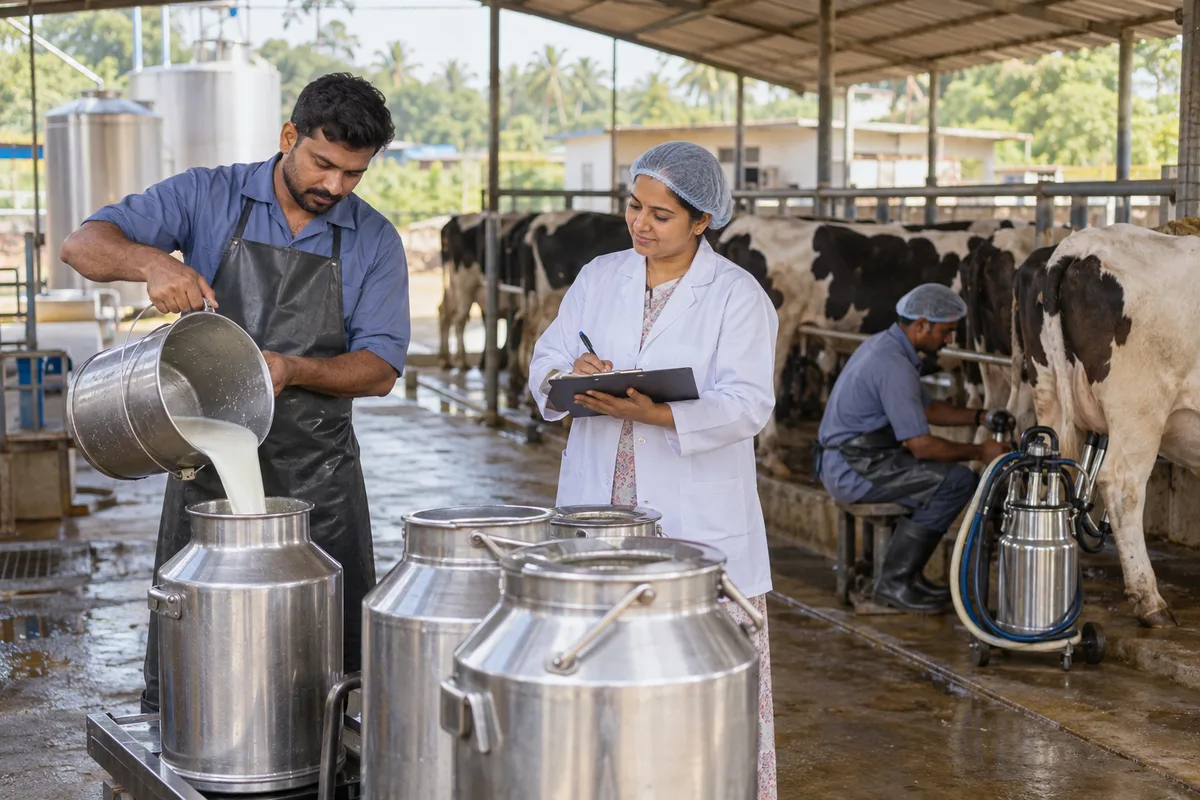
What lead generation means
Lead generation is the combined work of every channel that brings in a new enquiry, whether from search, adverts, referrals or a stall at an exhibition. GullySales runs these channels together and reports the number of enquiries each one produced, not the activity behind it.
Plan the next part of the work
Last updated 21 Nov 2026. Rules for this trade differ by state and professional body, and they change. We describe restrictions in general terms, so check the current position with your own council or adviser before you publish anything.
For dairy producers
Where it usually goes wrong, and what we would do.
“A booth owner and a hotel buyer need different answers”
A booth owner asks about margin, van timing and what happens to unsold pouches. A hotel purchase manager asks about a sample, a rate for volume and proof of steady supply. One enquiry form for both sends each of them an answer written for the other, and the sales team loses the thread.
“A lead outside the van route is not a lead yet”
A sweet shop in a distant town may ask for a rate card and never be reachable by your vans. Counting that enquiry as a lead makes the pipeline look fuller than it is. The list that matters is the outlets inside the areas your routes already cover.
“The sample decides the bulk lead”
A caterer who asks for a sample is judging fat content, taste and whether the van turned up when promised. If the sample goes out without a note of who tasted it and what they said, the follow-up call has nothing to build on.
“A lapsed booth is a lead you already know”
An outlet that stopped stocking your pouch last season is a former buyer, and the reason it left is rarely recorded. A short, friendly call asking what changed reopens more doors than a cold visit to a stranger.
What we do
What we deliver for dairy producers.
The work available for this need. We agree the deliverables and responsibilities for your engagement in writing.
Route-aware prospect list
Booths, kiranas, sweet shops, hotels and caterers, grouped by the areas your vans cover and built from local directories and referrals.
Result: The sales team starts each visit from a named list instead of memory.
Separate dealer and bulk enquiry routes
One short form for shopkeepers asking about stocking, another for hotels and caterers asking about rates and samples, each with its own reply.
Result: Every enquiry gets an answer in the language of the person who asked.
Sample request record
A simple sheet noting who received a sample, which product, who tasted it and what they said.
Result: The follow-up call can refer to the buyer's own comments.
Lapsed outlet list
Booths and kiranas that stopped stocking, with the last order and a short reason after the call.
Result: The owner can see which lost outlets are worth reopening.
Source tag on every lead
Each lead marked as directory, referral, field visit, dealer association or website.
Result: The owner can check which source produced the outlets that actually signed.
How the result is measured
- Relevant enquiries by source
- Duplicate and unsuitable enquiries
- Time to the first response
- Accepted enquiries reaching an agreed next step
Recorded as a baseline before work starts, so every later report has an honest comparison.
What to capture or send
Record each dairy enquiry with the facts that tell a booth lead from a kitchen lead.
- Outlet type and trading name
- Booth, kirana, hotel, sweet shop or caterer, written first because each is priced, visited and followed up differently.
- Locality and nearest van route
- The street or market, checked against the runs your vans already make before anyone promises a start date.
- Products asked for
- Toned milk, curd, paneer, ghee or flavoured milk, so the first call carries the right rate card and sample.
- Daily quantity in the buyer's own unit
- Litres, tubs or kilos as the buyer states them. Never convert it before the buyer confirms.
- Sample requested and sent
- The date a sample left the plant and who took it, so the callback is made while the buyer still remembers the taste.
- Source of the lead
- A stockist referral, a directory, a walk-in or a search. It shows which door brings buyers the van can serve.
Who it is for
This is written for these dairy producers.
- Milk producers and processors
- Paneer, curd and ghee manufacturers
- Flavoured and UHT milk brands
- Co-operative dairy societies
- Bulk suppliers to hotels and sweet shops
- Milk booth and kirana distribution networks
Before you decide
When this may not be the right fit.
- The plant already runs at its limit and no van has room to add a stop, so more leads would only create refusals.
- You have no one to take a sample to a kitchen and call back, since a lead without a callback goes to the next dairy.
Before you decide
Agree the work. Know how to judge it.
Lead generation for dairy producers: use these checks to prepare, choose the scope, and review what changes.
Bring the right evidence
Define the organisations or buyers you can serve and the reasons they would consider a conversation. Bring examples of accepted and rejected prospects so the selection rule is visible.
Make the scope clear
Agree the research sources, contact approach, qualification rules, and handover. Clarify which meetings count as accepted and what happens to replies that are not ready to buy.
Check the work in use
Review why a prospect was selected and what was learned from the response. Count held, relevant conversations separately from contacts found, messages sent, or meetings booked.
Know when to change course
If the same objection appears repeatedly, adjust the offer or buyer group before increasing outreach. Respect a request to stop contact and keep the exclusion in the record.
These are discussion points, not a fixed package. GullySales confirms the deliverables, responsibilities, fee, and term in writing after reading your brief and speaking with you.
Before we start
What to have ready before the work starts.
The records, access and decisions this work needs from dairy producers. Anything missing is noted in the written scope, with who will supply it.
- Route sheets for every van
- Lead generation is only useful where a van can deliver. Route sheets from dispatch, even handwritten, let us limit the work to areas you can serve. Without them, we ask you to confirm each area before any lead is collected and the work slows.
- List of outlets that stopped ordering
- Lapsed booths are your fastest source of leads. Your accounts clerk can pull names and last order dates from the sales register. If no list exists, we build one from the last year's invoices, which takes the clerk's help to read correctly.
- Your margin and credit terms for booths
- Dealers compare offers on margin and payment terms. Tell us what you can offer and what credit you allow. Without terms, the dealer message cannot state anything firm and the first call ends in a promise to come back.
- A sample policy for bulk buyers
- Tell us what size sample you send, to whom, and who delivers it. If you do not give samples, we shape the bulk offer around a visit or a tasting at the buyer's kitchen, and the sample request record is changed to match.
How it works
How the lead generation work runs
The work itself, in order. How an engagement starts, from your brief to a written scope, is set out on our method page.
- 1
List the outlets on each van route
We take your route sheets and mark every booth, kirana, sweet shop and canteen you already serve, then mark the gaps between them. Your route salesperson corrects the map from memory. The result is a route-aware list of places where a new outlet could be served. We also pull out outlets that stopped ordering, with the last order and the reason if known, because a lapsed booth is a lead you already know.
- 2
Write the dealer offer and the bulk offer apart
A booth owner wants margin and reliable delivery, while a hotel buyer wants a sample and a rate. We write one short offer for each, using your actual margin practice and sample policy. You approve both. The two offers are never mixed in a single message or form.
- 3
Set up the sample request record
A bulk lead becomes real when someone requests a sample, so we create a simple record of who asked, who sent it, who followed up. Your sales head decides who owns each step. The record is tested with a few real requests before any lead source is switched on. Your sales head also decides which lapsed outlets receive the dealer offer first.
- 4
Tag every lead with where it came from
Each new lead carries a source label: route visit, referral, lapsed call, form or message. Your salespeople are shown how to enter it with little effort. Without the tag, you cannot tell later which effort brought buyers.
- 5
Read leads against the outlets added to routes
We compare the leads recorded with the outlets that started ordering, using the route sheet and sales register from before the work started. You tell us which sources brought outlets that kept ordering, and we adjust where the next effort goes.
Where this fits
Three pieces of sales work, in this order.
This work sits inside sales process design, at stage 1, prospecting and lead generation. The audit comes before it, and sales management keeps it running.
Step 1
Sales audit
Find where deals are being lost and what to fix first.
Start here if you cannot say where orders are lost.
Step 2 · you are here
Sales process design
One written way to sell, from first enquiry to repeat order.
Start here if every salesperson sells differently.
Step 3
Sales management
A target, a review routine and someone who owns the number.
Start here if the team has targets and no routine.
FAQ
Questions owners ask before they call.
Not here? More answers, or ask on WhatsApp.
Should we advertise to households to get dealers?
Where do bulk buyers such as hotels come from?
How do we avoid chasing enquiries we cannot deliver to?
How do we handle a lead from outside our delivery range?
Should salespeople or an outside team make the first call?
How do we avoid giving rates to a competitor in disguise?
How much does it cost?
How long is the contract?
How soon will we see results?
Who will actually do the work?
From the blog
Further reading for dairy producers.
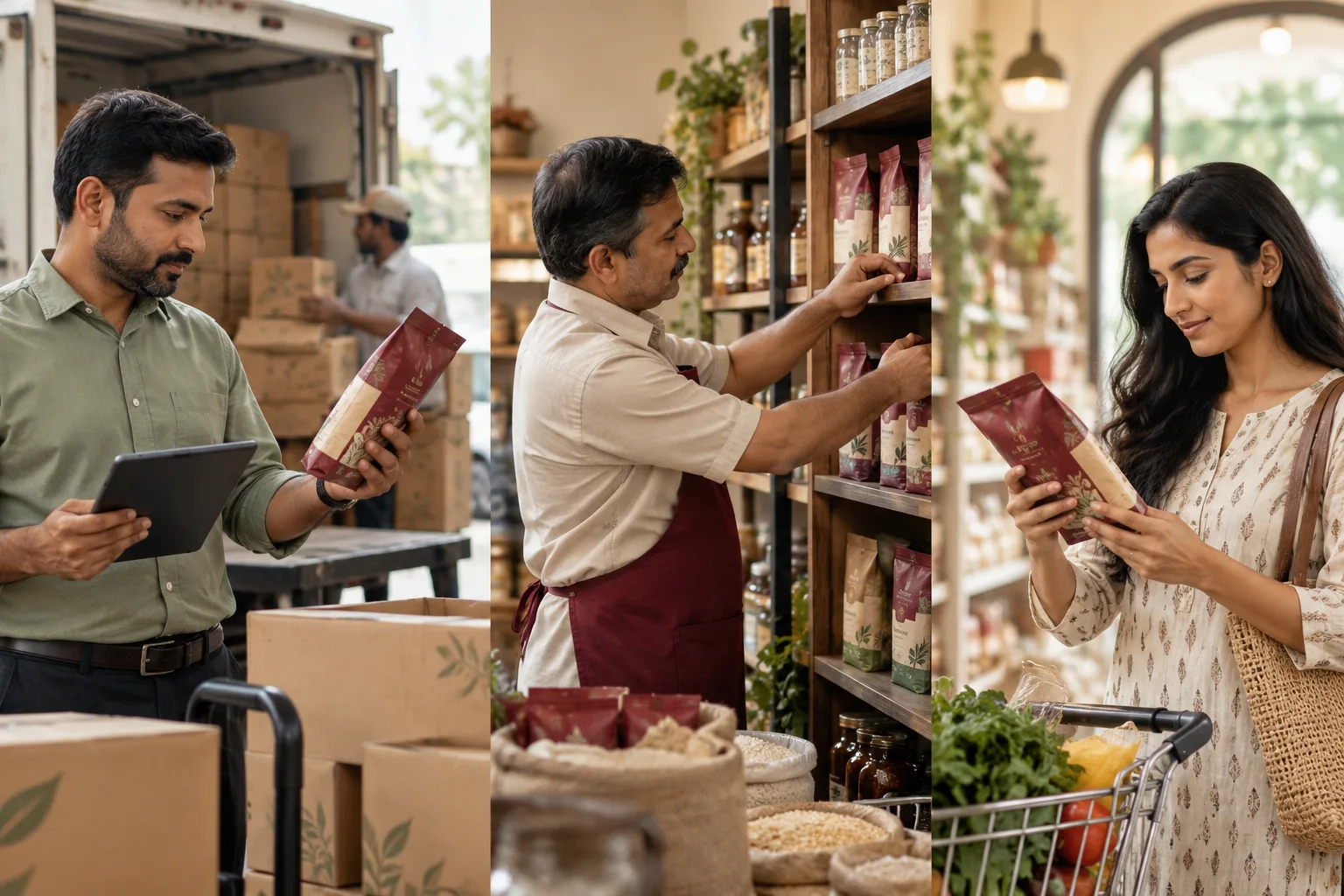 5 min read · 6 Oct 2026How food brands win the trade and the shopperA food or household brand is chosen twice, by the distributor or retailer who stocks it and by the shopper who picks it up. What each buyer checks.
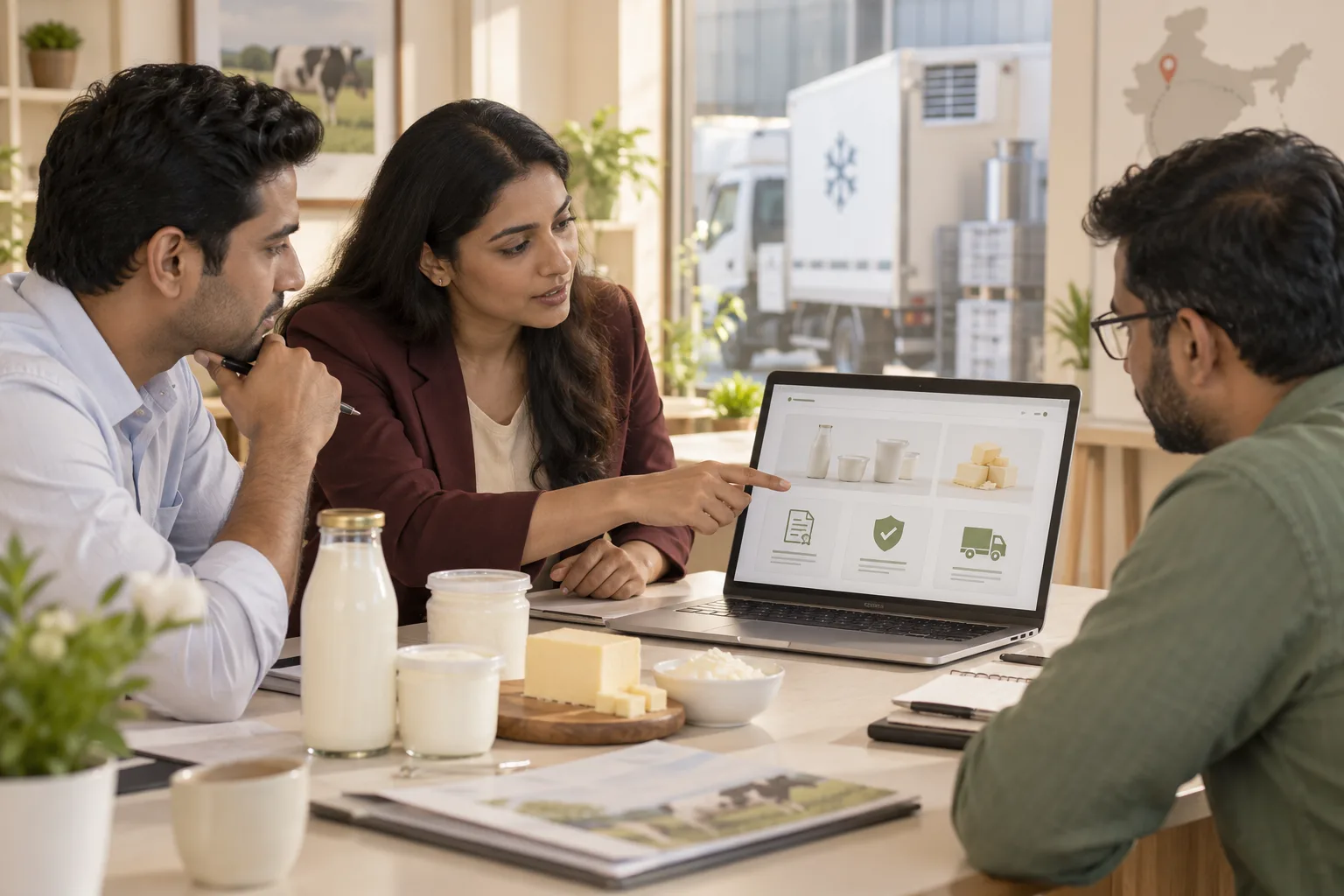 8 min read · 22 Jul 2026What a dairy brand's website must do for distributors and bulk buyersA dairy website is read by distributors and bulk buyers. Here are the pages, the FSSAI details and the cold chain answers they look for.
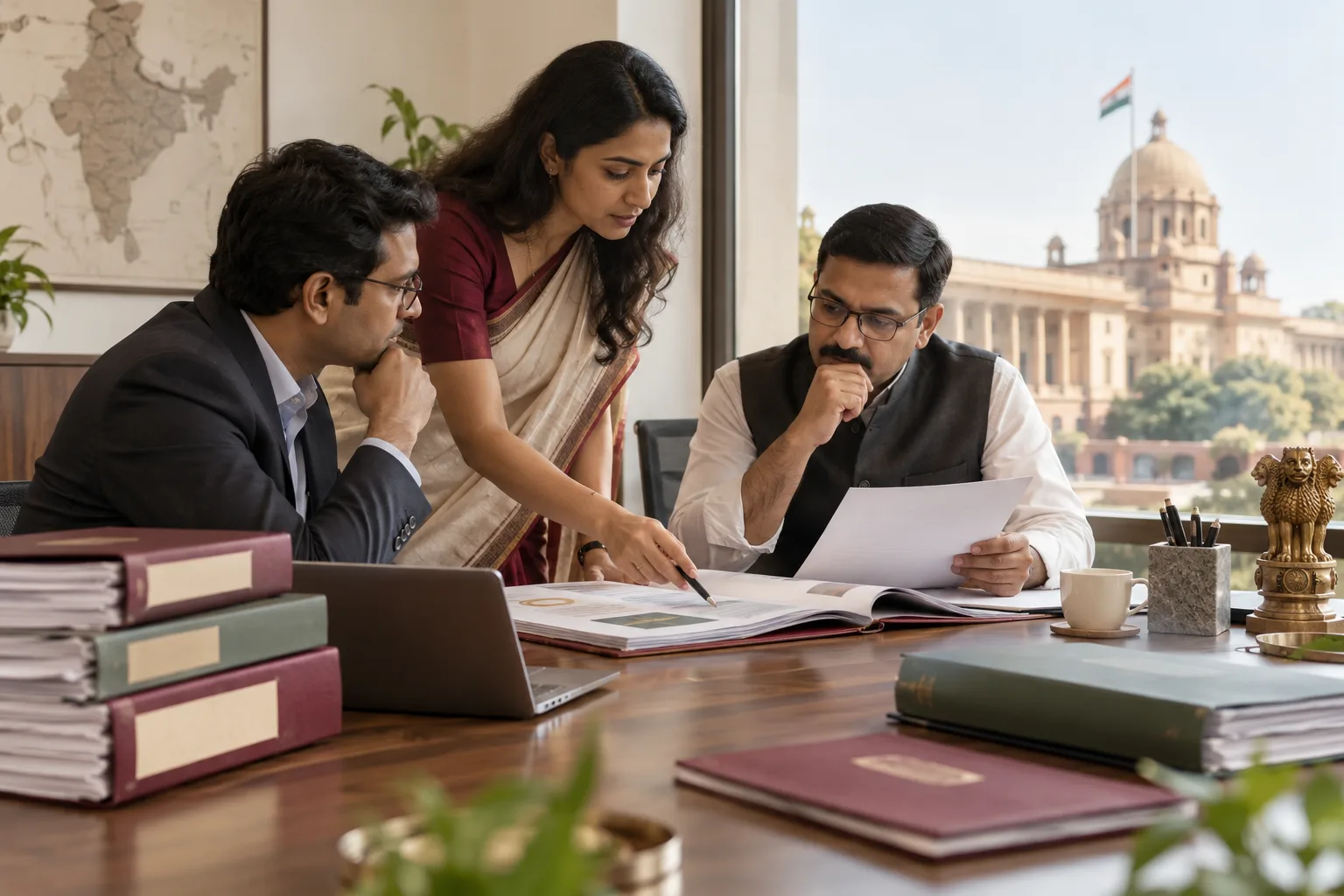 6 min read · 16 Mar 2026How to get on a company's approved vendor list without the file stallingVendor registration runs through four or five desks inside the buyer, each waiting on you. Send complete papers and keep your sponsor informed.
More for dairy producers
Related work to consider.
Closest to this: leads and follow-up
Also for dairy producers
Or start from the overview: sales and marketing for dairy producers.
Your next practical step
Tell us what you are trying to grow, and we will read it before we call.
Eight short steps, mostly taps. Skip anything you would rather answer on the call.