FMCG and beverage brands · Buyer persona
Write down who actually decides whether your bottle or pack reaches the shopper.
A buyer persona for an FMCG or beverage brand is a written profile of each person who can say yes or no on the way from your godown to the shopper's hand. That means the distributor, the retailer, the salesman and the institutional buyer, as well as the shopper. GullySales works with you on profiles built from your own billing records and beat visits, and on what each person needs to hear.
Scope, fee, reporting and term are agreed in writing after we have read your brief and spoken to you.
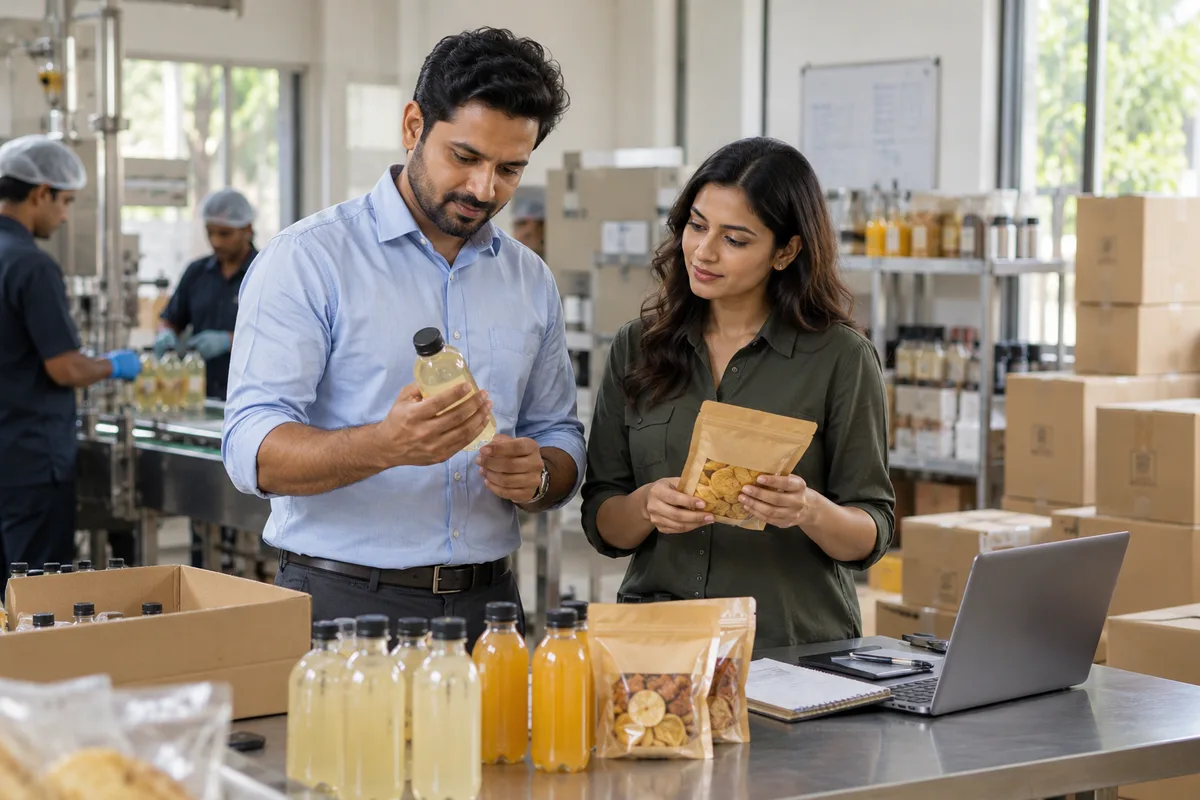
What buyer persona means
A buyer persona is a plain description of the kind of customer who actually buys from you. It includes what they search, what worries them and who else they ask before deciding. GullySales builds this from real enquiries and past sales rather than a generic template, then uses it to write every page and advert.
Also for FMCG and beverage brands
- Digital marketing for FMCG and beverage brands
- SEO for FMCG and beverage brands
- Social media marketing for FMCG and beverage brands
- Influencer marketing for FMCG and beverage brands
- Branding for FMCG and beverage brands
- Content marketing for FMCG and beverage brands
- Lead generation for FMCG and beverage brands
- Sales management for FMCG and beverage brands
Sales and marketing for FMCG and beverage brands, the overview.
Last updated 6 Oct 2026. Rules for this trade differ by state and professional body, and they change. We describe restrictions in general terms, so check the current position with your own council or adviser before you publish anything.
For FMCG and beverage brands
Where it usually goes wrong, and what we would do.
“The distributor is a buyer before the shopper is”
A distributor decides what the van carries and what the salesmen push. The distributor weighs margin, scheme settlement, return of near-expiry stock and how much cash sits in the godown. A brand written for the shopper alone never answers the distributor's questions, so the van carries something else.
“The retailer's reason differs by outlet type”
A paan shop by the bus stand wants a cold bottle that moves and a margin that beats the national brand. A kirana wants credit and a salesman who turns up on the beat day. A supermarket buyer wants barcodes, pricing and a promotion plan. One profile for all three misleads every one of them.
“The salesman is a persona too”
The van salesman sells what the retailer asks for by name, and carries the packs that are comfortable to explain. Those habits decide whether the new flavour is opened. A short profile of how salesmen on each beat work shows where the range stops short of the shelf.
“Institutional buyers decide on supply, not on taste”
A canteen contractor, caterer or marriage hall manager asks about case rates, delivery days and who to call when a delivery is missed. The same flavoured soda that sells by the bottle in a shop reaches this buyer through a very different conversation.
What we do
What we deliver for FMCG and beverage brands.
Every deliverable, what it covers for you, and the result it is there to produce. Nothing here is an extra.
Distributor profile
A one-page profile of the distributors you have and the ones you want: godown and vehicle strength, brands carried, what they ask about margin and claims, and what made them drop a brand before.
Result: The offer to a new distributor answers questions the distributor really asks.
Retailer profiles by outlet type
Separate profiles for paan shops, kiranas, general stores, wholesalers, canteens and supermarkets, each noting what the retailer earns on, what space is available and who places the order.
Result: Each outlet type has its own opening line and its own scheme.
Salesman and beat profile
A short note on how salesmen on each beat sell, which SKUs they carry up the stairs and what stops a new pack being shown.
Result: New SKU training goes where the gap is.
Institutional buyer profile
A profile for canteens, caterers, marriage halls and event organisers, with the questions each asks before the first order.
Result: A supply proposal is written for the person who signs it.
Shopper note by price point
What the shopper buys at ten and twenty rupees, in a wedding crowd or at a bus stand, and what the pack and shelf must show at that moment.
Result: Pack and display choices rest on a written note, not on a guess.
How the result is measured
- Enquiry match to persona
- Conversion rate by persona
- Content aligned to persona
Recorded as a baseline before work starts, so every later report has an honest comparison.
Who is asking
The people who decide whether a drink or home care pack reaches a shopper.
Each of these buyers asks something different before agreeing to carry the brand, and a single profile cannot answer all of them.
- District distributor weighing a new principal
- Wants margin, how fast a scheme claim is settled and whether near-expiry stock is taken back, before putting a van on the brand.
- Paan shop owner by a bus stand
- Asks whether the bottle sells cold, what the margin is against the national brand and whether the salesman will return on the beat day.
- Caterer booking water for a wedding
- Needs bottle sizes, case count, the chilling advice and a confirmed delivery slot, and decides on the first supplier who gives all four.
- Canteen contractor at a factory
- Asks for the licence details, the pack that fits the dispenser and whether a missed delivery is replaced the same day.
- Supermarket category buyer
- Wants the barcode, the printed price, the promotion plan and the shelf-life remaining at delivery, before agreeing a listing fee.
Who it is for
This is written for these FMCG and beverage brands.
- Packaged drinking water and 20-litre can brands
- Regional soft drink, soda and goli soda bottlers
- Juice, fruit drink and nectar brands
- Energy, sports and electrolyte drink brands
- Packaged tea and coffee powder brands
- Flavoured milk, buttermilk and lassi brands
- Home care brands: detergent, dishwash, floor cleaner and phenyl
- Personal care and pooja brands: soap, hair oil and agarbatti
Not for
It is not the right fit if.
- You have not yet recorded which outlet types actually reorder, so the profiles would be guesses and not drawn from your billing.
- You sell one pack through one distributor, so there is no second buyer for a profile to separate.
- No one will brief the sales team on the profiles, so the pages would sit in a folder.
How it works
How the buyer persona work runs
The work itself, in order. How an engagement starts, from your brief to a written scope, is set out on our method page.
- 1
Understand the current view
We start with how your team currently describes the customer, since the gap between belief and reality is the finding itself.
- 2
Audit past enquiries and sales
We look at recent enquiries and closed deals to see who actually bought, not who was assumed to buy.
- 3
Interview customers and staff
Structured conversations with recent buyers, held as talk about the last purchase and not a questionnaire. We ask what happened before they called, who else was involved and what they compared. Customers agree before we contact them, and their answers are reported without names.
- 4
Build the personas
Findings are written into short, usable persona documents rather than a long report.
- 5
Apply to your marketing
We show where each persona should change a page, an ad or a script you already have. The sales team reads the drafts and says which ring true. A persona they do not recognise is rewritten.
Where this fits
Three pieces of sales work, in this order.
This work sits inside sales process design, at stage 0, foundation. The audit comes before it, and sales management keeps it running.
Step 1
Sales audit
Find where deals are being lost and what to fix first.
Start here if you cannot say where orders are lost.
Step 2 · you are here
Sales process design
One written way to sell, from first enquiry to repeat order.
Start here if every salesperson sells differently.
Step 3
Sales management
A target, a review routine and someone who owns the number.
Start here if the team has targets and no routine.
FAQ
Questions owners ask before they call.
Not here? More answers, or ask on WhatsApp.
Where do the profiles come from if we have no research budget?
Do we need a separate profile for every product?
Can we describe shoppers by health or lifestyle?
Do the profiles differ between a drink and a home care product?
How long is the contract?
How soon will we see results?
Who will actually do the work?
What do you need from us?
What if we are not happy with the work?
From the blog
Further reading for FMCG and beverage brands.
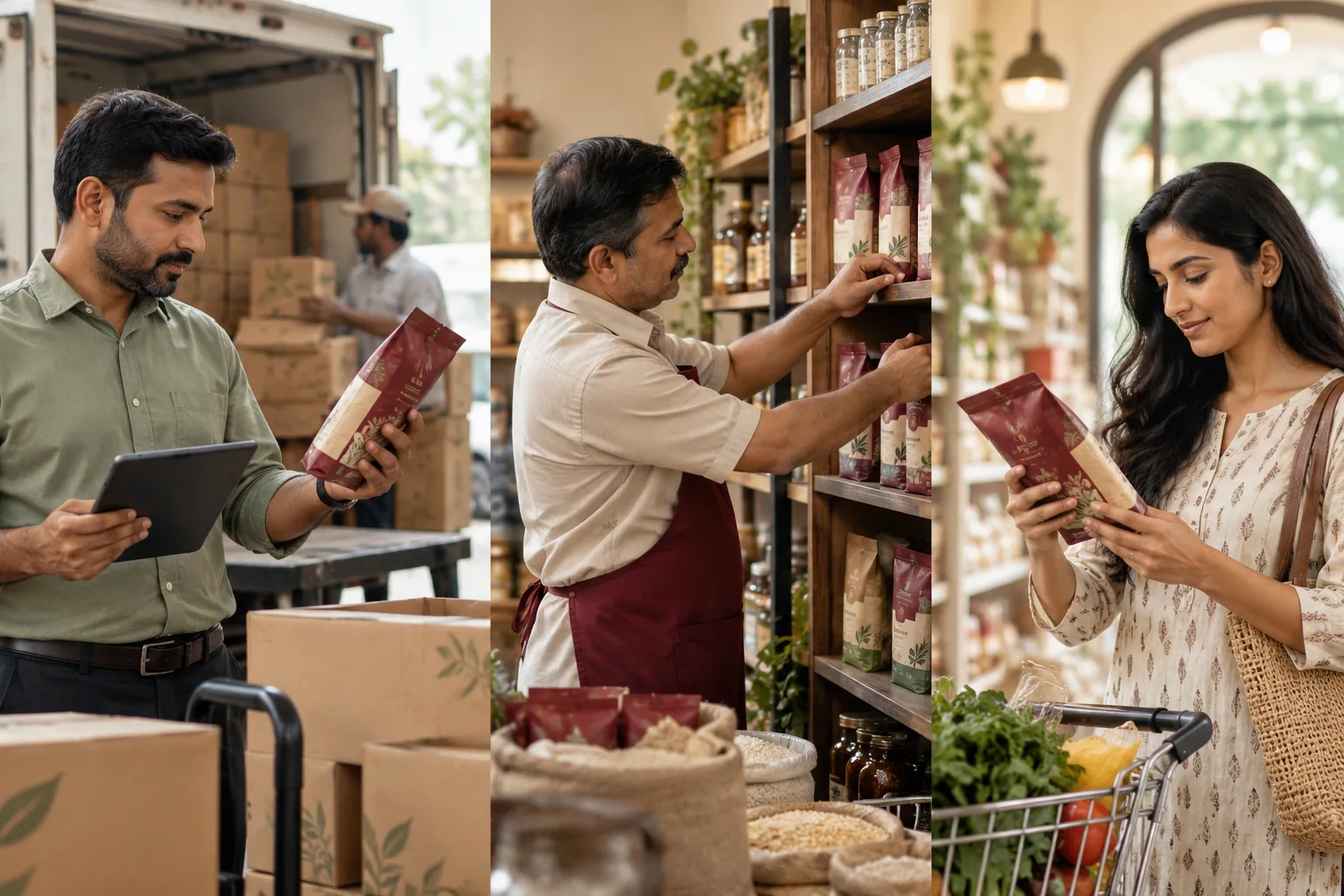 5 min read · 6 Oct 2026How food brands win the trade and the shopperA packed food or household brand is chosen twice: by the distributor, retailer or kitchen that stocks it, then by the shopper who picks it up. Here is what each buyer checks and where brands lose both.
 6 min read · 6 Oct 2026How beverage brands check summer loading against sell-throughA distributor's invoice shows what you pushed into the godown, not what reached shops. Here is how a beverage brand compares summer loading with sell-through before the monsoon arrives.
More for FMCG and beverage brands
Everything else we would do for you.
Closest to this: strategy and research
Also for FMCG and beverage brands
Or start from the overview: sales and marketing for FMCG and beverage brands.
Your next practical step
Tell us what you are trying to grow, and we will read it before we call.
Eight short steps, mostly taps. Skip anything you would rather answer on the call.