FMCG and beverage brands · Follow up systems
Call back the retailer who tried your pack, before a rival's salesman does.
A follow-up system for an FMCG or beverage brand is the set of rules that decide who contacts a new outlet, a distributor prospect or a bulk buyer after the first meeting, and when the next call happens. The second order is the sale that matters, and it depends on the follow-up. GullySales writes the rules, the scripts and the reminders that make the second order likely.
Scope, fee, reporting and term are agreed in writing after we have read your brief and spoken to you.
What follow up systems means
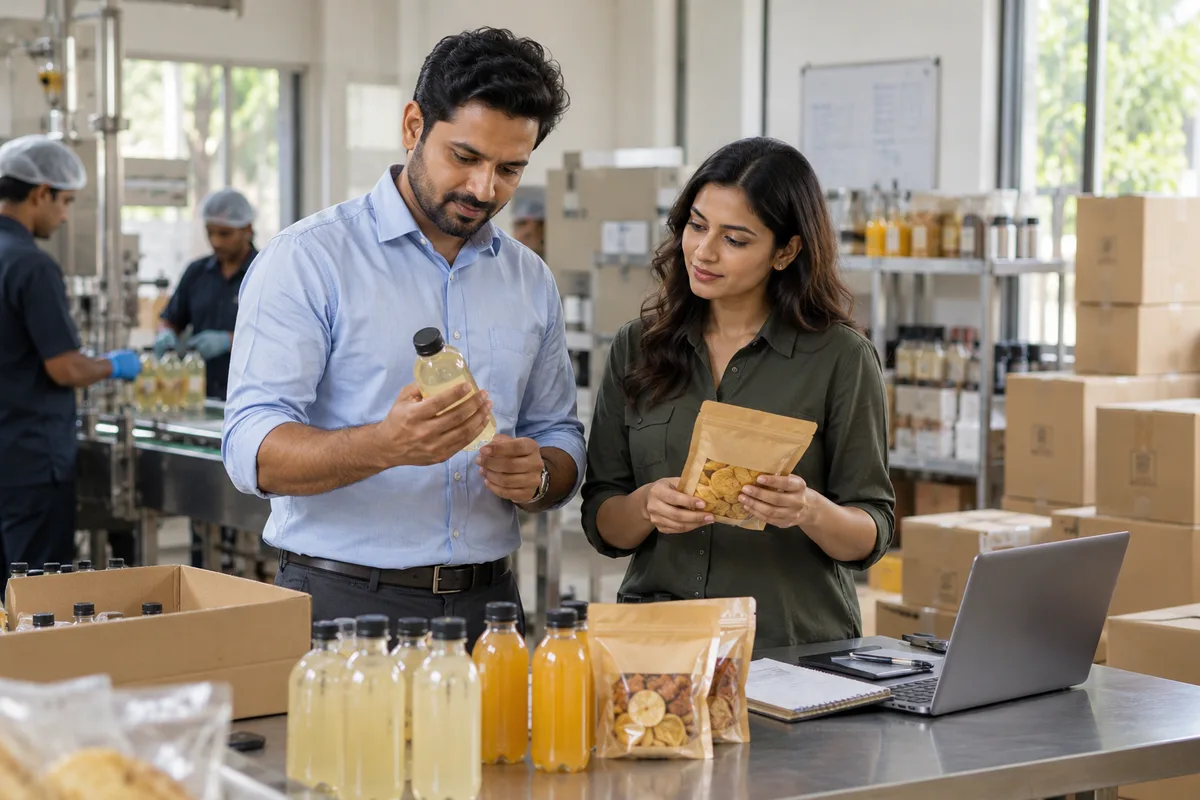
A follow-up system is the set routine for calling, messaging or emailing an enquiry more than once, since most buyers do not decide on the first conversation. GullySales sets the number and timing of follow-ups so an undecided buyer keeps hearing from you until they decide either way.
Also for FMCG and beverage brands
- Lead generation for FMCG and beverage brands
- CRM for FMCG and beverage brands
- SEO for FMCG and beverage brands
- Social media marketing for FMCG and beverage brands
- Influencer marketing for FMCG and beverage brands
- Digital marketing for FMCG and beverage brands
- Branding for FMCG and beverage brands
- Content marketing for FMCG and beverage brands
Sales and marketing for FMCG and beverage brands, the overview.
Last updated 6 Oct 2026. Rules for this trade differ by state and professional body, and they change. We describe restrictions in general terms, so check the current position with your own council or adviser before you publish anything.
For FMCG and beverage brands
Where it usually goes wrong, and what we would do.
“The first order is a trial, and nobody checks the trial”
A retailer takes a case on a scheme, and the salesman moves on to the next shop. Whether the case sold, sat warm or was refused by the shopper is known only on the next beat visit, if the visit happens. A short check call turns the trial into a decision.
“Distributor prospects need more than one meeting”
A distributor in an uncovered district compares offers over weeks, speaks to existing principals and asks about claim settlement. A single presentation followed by silence leaves the brand forgotten at the moment of decision.
“Seasonal buyers return when reminded”
A caterer or a marriage hall that bought cases last wedding season has no reason to remember the brand when the next season starts. A reminder before the season, with the case rate sheet, reaches them while they are still choosing.
“Complaints are the most useful follow-up”
A leaking bottle, a short-filled pack or a missing scheme credit damages the retailer's trust. A reply on the same beat visit, with the claim number noted, keeps the shopkeeper placing orders.
What we do
What we deliver for FMCG and beverage brands.
Every deliverable, what it covers for you, and the result it is there to produce. Nothing here is an extra.
New outlet follow-up rules
What the salesman, the sales officer or the distributor's staff does after the first order: a check call, a visit, a look at the cooler or shelf.
Result: Every new outlet has a named person who checks the second order.
Distributor prospect sequence
A set of touchpoints after the first meeting: a written offer, a reference call from a current distributor, a visit to the godown and a close conversation.
Result: A distributor prospect gets a reply at each step.
Seasonal reminder calendar
Reminders to caterers, canteens, marriage halls and institutions before their buying season, with the case rate sheet and delivery terms attached.
Result: Bulk buyers hear from you before they choose a supplier.
Lapsed outlet list
A list of outlets that bought once or stopped, with the reason noted by the salesman and a plan to reach each.
Result: You can see which shops went quiet and why.
Complaint and claim response routine
A route for a damaged stock or scheme complaint, with who answers, what is promised and how the retailer is told the outcome.
Result: The retailer hears back before ordering stops.
How the result is measured
- Follow-up completion rate
- Average number of follow-ups before close
- Enquiries closed after repeat follow-up
Recorded as a baseline before work starts, so every later report has an honest comparison.
What to capture or send
The moments after a first order that decide whether there is a second.
- Check call after the trial case
- Ask the retailer whether the case moved and what the shopper said. Record the answer, because it tells you whether to push or to swap the pack.
- Cooler visit note
- After a cooler is placed, note whether the bottle is at eye level and cold. A warm bottle in the corner is the usual reason for no reorder.
- Written offer to a distributor prospect
- Send margins, scheme rules and claim handling in one message after the first meeting, so the prospect has it when comparing principals.
- Reference call from a current distributor
- Arrange a call with a distributor already carrying the brand, and note what the prospect asked. It answers the claim question better than a brochure.
- Pre-season reminder to caterers
- Message the caterers and halls before the wedding months with the rate card and last order date, and log who replied.
Who it is for
This is written for these FMCG and beverage brands.
- Packaged drinking water and 20-litre can brands
- Regional soft drink, soda and goli soda bottlers
- Juice, fruit drink and nectar brands
- Energy, sports and electrolyte drink brands
- Packaged tea and coffee powder brands
- Flavoured milk, buttermilk and lassi brands
- Home care brands: detergent, dishwash, floor cleaner and phenyl
- Personal care and pooja brands: soap, hair oil and agarbatti
Not for
It is not the right fit if.
- No one is named to make the check call, so each follow-up would be skipped when the beat gets busy.
- Your retailers have not yet taken a first order, so there is no trial to follow up.
- Your distributor handles all outlet contact and will not allow your team to call, so the follow-up would have no route.
How it works
How the follow up systems work runs
The work itself, in order. How an engagement starts, from your brief to a written scope, is set out on our method page.
- 1
Measure today's reply time
From your recent enquiries, we set the time each arrived against its first reply, using the call log, chats, form entries and portal panel. We also count the follow-ups each one got.
- 2
Agree targets and the sequence
We set reply targets and the follow-up sequence with your team, based on its real hours and workload.
- 3
Write the templates and first-call questions
The first reply, the quote follow-up and the last attempt are written in your voice and loaded as quick replies. The first-call questions are agreed with your best salesperson.
- 4
Set ownership, tasks and alerts
Named owners, cover for leave and CRM or sheet tasks go live. App alerts, such as IndiaMART's, are switched on for the right phones.
- 5
Track and adjust
Reply time and follow-up completion are reported against the baseline, and the routine is changed where it is not kept. How often you are reported to is agreed in writing.
Where this fits
Three pieces of sales work, in this order.
This work sits inside sales process design, at stage 2, qualification. The audit comes before it, and sales management keeps it running.
Step 1
Sales audit
Find where deals are being lost and what to fix first.
Start here if you cannot say where orders are lost.
Step 2 · you are here
Sales process design
One written way to sell, from first enquiry to repeat order.
Start here if every salesperson sells differently.
Step 3
Sales management
A target, a review routine and someone who owns the number.
Start here if the team has targets and no routine.
FAQ
Questions owners ask before they call.
Not here? More answers, or ask on WhatsApp.
Who should do the follow-up, the brand or the distributor?
What do we say on a follow-up call to a retailer?
How many times do we chase a distributor prospect?
Do we follow up through the distributor's salesman or directly?
How much does it cost?
How long is the contract?
How soon will we see results?
Who will actually do the work?
What do you need from us?
What if we are not happy with the work?
From the blog
Further reading for FMCG and beverage brands.
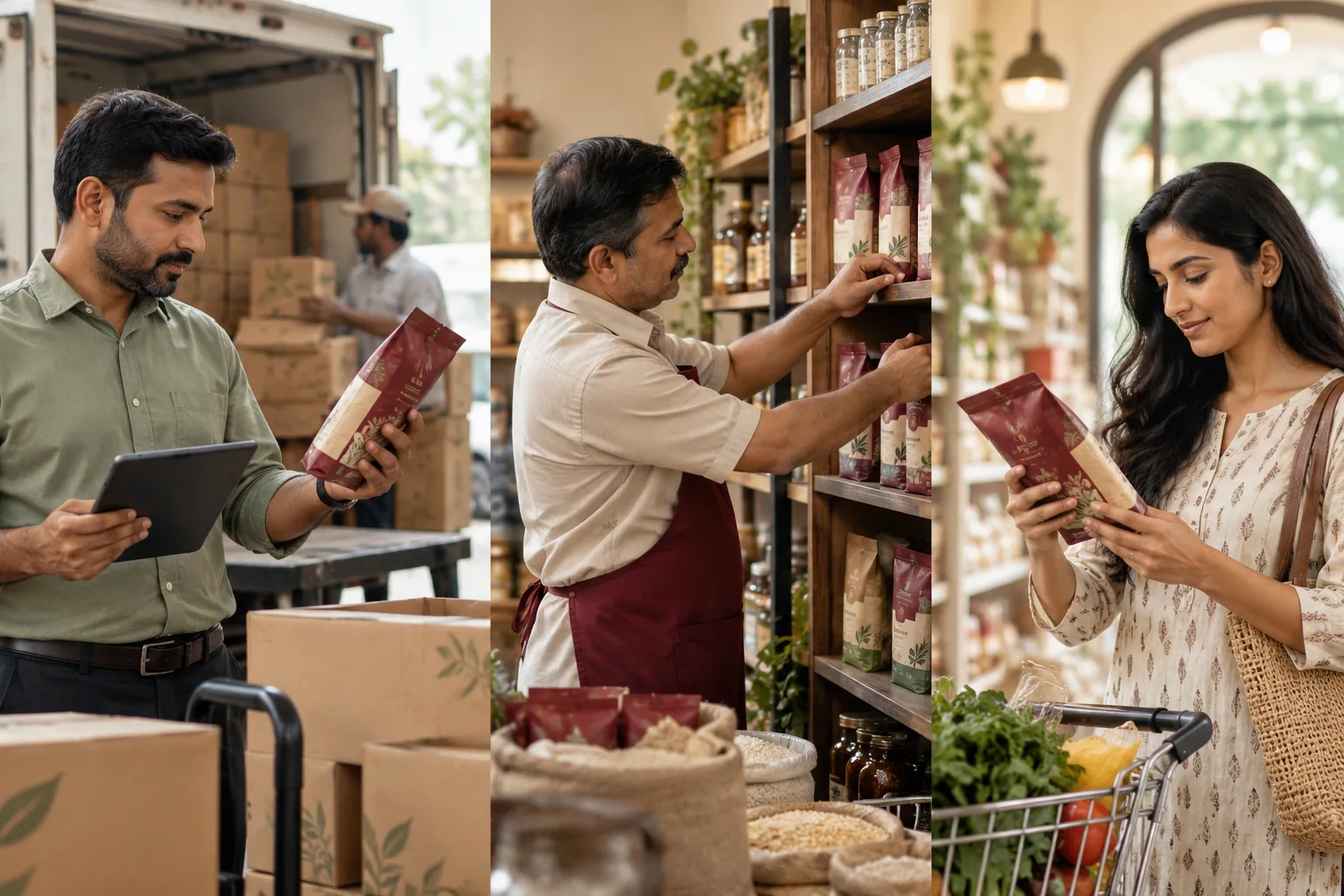 5 min read · 6 Oct 2026How food brands win the trade and the shopperA packed food or household brand is chosen twice: by the distributor, retailer or kitchen that stocks it, then by the shopper who picks it up. Here is what each buyer checks and where brands lose both.
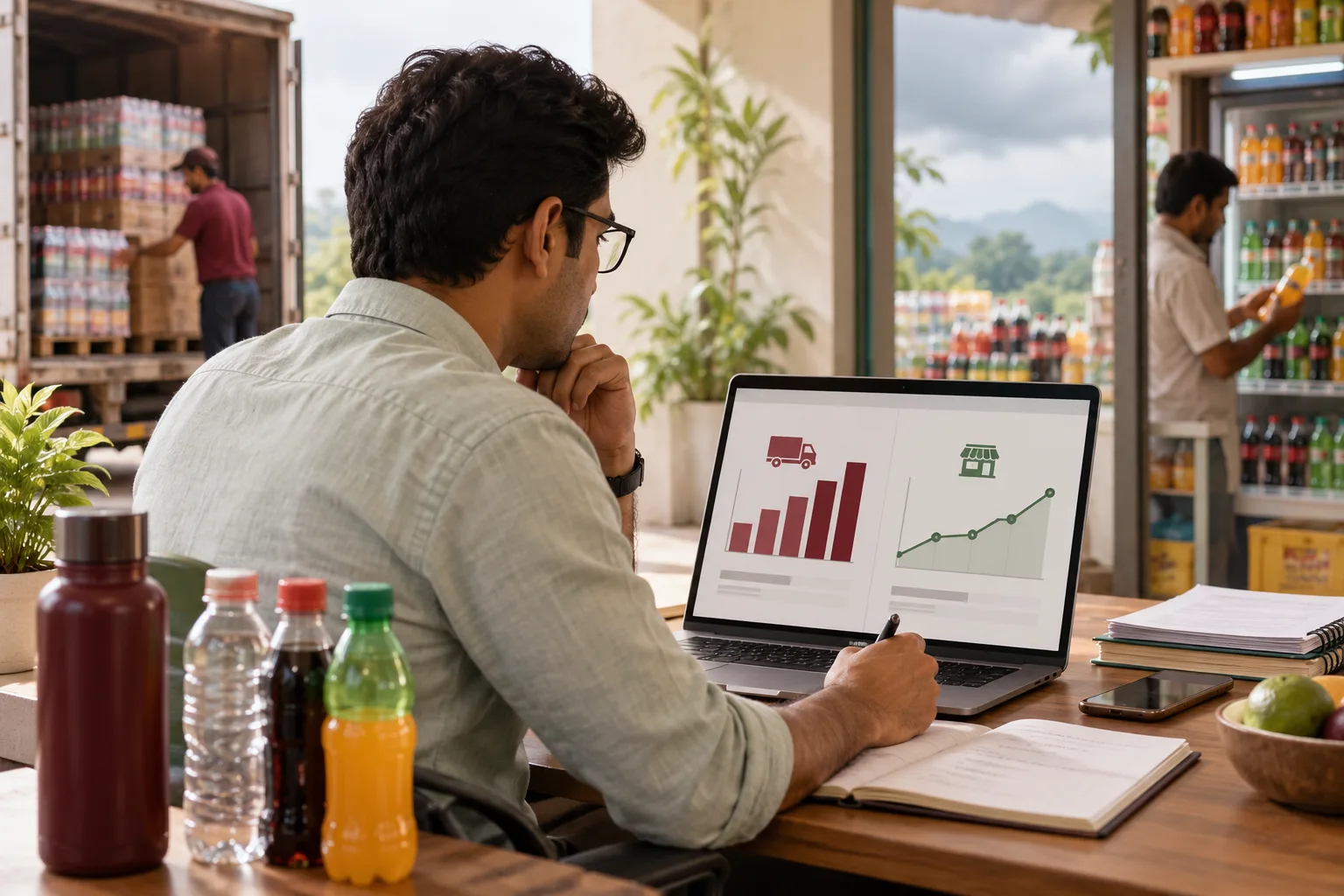 6 min read · 6 Oct 2026How beverage brands check summer loading against sell-throughA distributor's invoice shows what you pushed into the godown, not what reached shops. Here is how a beverage brand compares summer loading with sell-through before the monsoon arrives.
More for FMCG and beverage brands
Everything else we would do for you.
Closest to this: leads and follow-up
Also for FMCG and beverage brands
Or start from the overview: sales and marketing for FMCG and beverage brands.
Your next practical step
Tell us what you are trying to grow, and we will read it before we call.
Eight short steps, mostly taps. Skip anything you would rather answer on the call.