Food product manufacturers · Lead generation
Answer the per kilo enquiry before the buyer rings somebody else.
Lead generation for a food manufacturer is the work of bringing in distributor, HoReCa, private label and export enquiries, then answering them the same day. GullySales builds the lists, writes the reply and records which source produced an order.
Scope, fee, reporting and term are agreed in writing after we have read your brief and spoken to you.
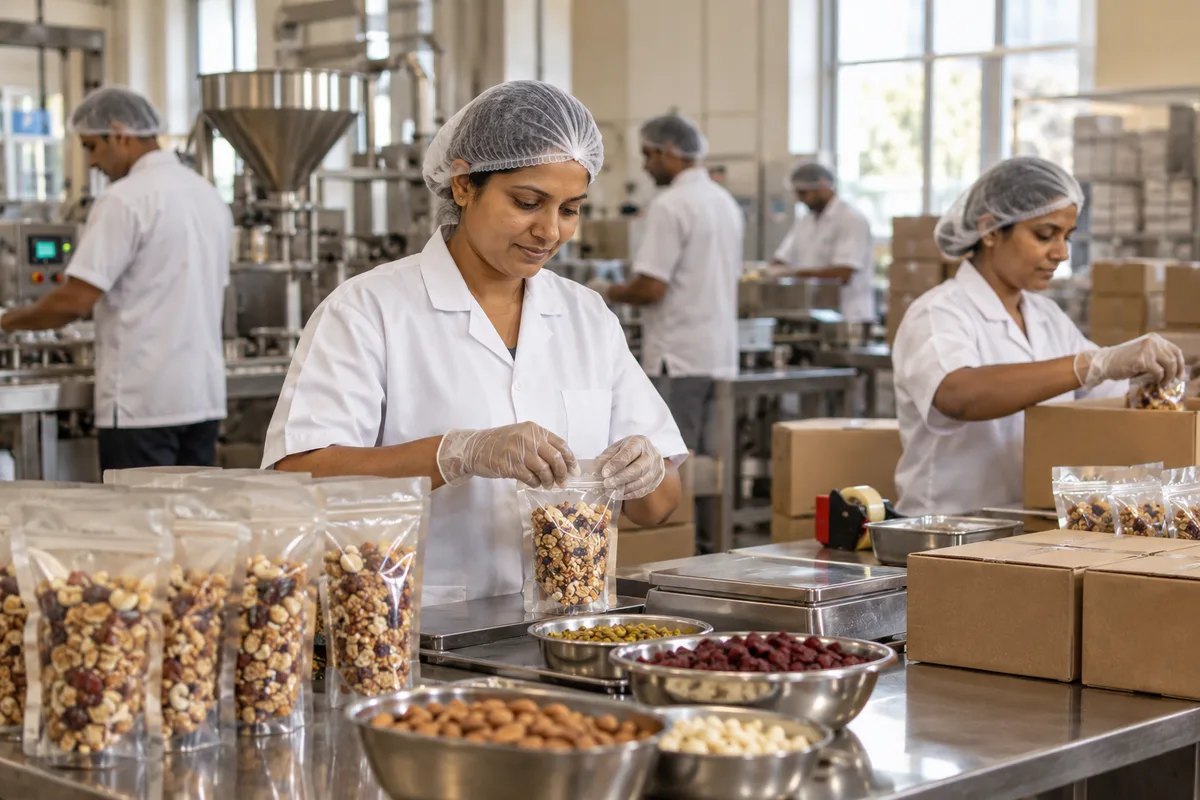
What lead generation means
Lead generation is the combined work of every channel that brings in a new enquiry, whether from search, adverts, referrals or a stall at an exhibition. GullySales runs these channels together and reports the number of enquiries each one produced, not the activity behind it.
Also for food product manufacturers
- CRM for food product manufacturers
- Follow-up systems for food product manufacturers
- SEO for food product manufacturers
- PPC ads for food product manufacturers
- Digital marketing for food product manufacturers
- Local SEO for food product manufacturers
- Social media marketing for food product manufacturers
- Content marketing for food product manufacturers
Sales and marketing for food product manufacturers, the overview.
Last updated 5 Oct 2026. Rules for this trade differ by state and professional body, and they change. We describe restrictions in general terms, so check the current position with your own council or adviser before you publish anything.
For food product manufacturers
Where it usually goes wrong, and what we would do.
“The IndiaMART enquiry has four suppliers on it”
A buyer asking for price per kilo has written to everybody, and the first serious reply usually wins the sample order.
“A sample sent is not a lead followed up”
Cartons go out after a fair and nobody rings a fortnight later to ask what the chef thought of it.
“Distributors are found, not attracted”
The man already carrying a related category in your target district is the enquiry you should be making yourself.
What we do
What we deliver for food product manufacturers.
Every deliverable, what it covers for you, and the result it is there to produce. Nothing here is an extra.
A same-day reply pack for bulk enquiries
A price sheet, pack and case details, minimum order, sample terms and the certificates, ready to send the hour an enquiry arrives.
Result: A serious buyer hears from you first.
A distributor list for each target district
Names, the categories they carry, godown and vehicle strength and the retailers they serve, built before the first sales visit.
Result: Appointment stops depending on who walks in.
A sample tracker with a call date
Every sample logged with who received it, what was said and the date to ring back, whether it went from a fair or the plant.
Result: Cartons stop disappearing after an exhibition.
A qualifying form on the website
A form asking the district, categories carried, monthly volume and whether the enquiry is for distribution, private label or export.
Result: Enquiries arrive sorted before anybody reads them.
A follow-up routine for trade fairs
Every card from AAHAR or a regional expo entered the same week, with a first call, a sample and a second call written into the plan.
Result: The stall pays for itself in the month after.
Enquiries recorded by source and type
Distribution, HoReCa, private label and export enquiries counted separately by source, against the baseline recorded before work starts.
Result: You feed the channel that turned into orders.
How the result is measured
- Enquiries generated
- Cost per enquiry
- Enquiries by source
Recorded as a baseline before work starts, so every later report has an honest comparison.
Where enquiries come from
The places a food manufacturer's enquiries arrive, and what to record at each.
- Distributor's call or WhatsApp
- Record the distributor, the district, the categories they carry and the retailers they supply. Reply with the price sheet and the minimum order, and note whether a sample was asked for.
- IndiaMART bulk enquiry
- Log the buyer, the product, the pack size and the quantity. Reply with the pack and case details and your FSSAI licence number, and note the platform as the source.
- Hotel, restaurant or caterer enquiry
- Record the kitchen, the product, the pack size wanted and the quantity per order. Ask what they pay now, so the quote can be compared with it.
- Private label request
- Write the brand's name, the product, the quantity and the packaging they expect. Ask for their specification and a target price before sampling, and record the sample you sent.
- Export enquiry by email or at a trade fair
- Note the country, the product, the certificates asked for and the order size. Reply with your licences and shelf life, and log the card from the fair against the same record.
- Retailer asking at a kirana visit
- The salesman writes the shop, the product and the quantity asked on the visit sheet that evening. Pass it to the distributor for that area, and note whether the order came.
Who it is for
This is written for these food product manufacturers.
- Spice, masala and blended powder makers
- Pickle, chutney and preserve manufacturers
- Namkeen, snack and savoury makers
- Sweets and traditional confectionery producers
- Ready-to-cook and instant mix brands
- Millet, health food and organic brands
- Flour mills and grain processors
- Beverage, juice and syrup makers
- Private label and contract food manufacturers
- Food exporters and merchant exporters
Not for
It is not the right fit if.
- You have no stock to send as samples this season, so a bulk enquiry would be answered with a wait.
- No one owns the call back to a distributor enquiry, so each lead would depend on whoever sees it first.
- Your plant is at full capacity with existing orders, so new bulk buyers could only be refused.
How it works
How the lead generation work runs
The work itself, in order. How an engagement starts, from your brief to a written scope, is set out on our method page.
- 1
Understand your capacity
We ask how many enquiries your team can answer well, who answers after hours, and what a good enquiry looks like. Without this, the system fills a funnel nobody is watching.
- 2
Audit current sources
We read your call log, WhatsApp chats, enquiry sheet and platform dashboards. The baseline is recorded: enquiries by source, reply time, conversion and cost per order.
- 3
Strategise the channel mix
Search and maps are chosen for people ready to buy, ads for people who are not yet looking, and content and referrals for trust.
- 4
Implement capture and follow-up
Pages, forms, tags, the lead record and the first-reply message are built and tested end to end. We submit test enquiries ourselves before any media money is spent.
- 5
Measure and optimise
Enquiries are traced to source and judged by what became orders, not by volume alone. Channels that fill the sheet with poor enquiries are cut back. How often you are reported to is agreed in writing.
Where this fits
Three pieces of sales work, in this order.
This work sits inside sales process design, at stage 1, prospecting and lead generation. The audit comes before it, and sales management keeps it running.
Step 1
Sales audit
Find where deals are being lost and what to fix first.
Start here if you cannot say where orders are lost.
Step 2 · you are here
Sales process design
One written way to sell, from first enquiry to repeat order.
Start here if every salesperson sells differently.
Step 3
Sales management
A target, a review routine and someone who owns the number.
Start here if the team has targets and no routine.
FAQ
Questions owners ask before they call.
Not here? More answers, or ask on WhatsApp.
How fast should a bulk enquiry be answered?
How do we find distributors in a new district?
A distributor asks for exclusive rights to a district. What do we check first?
How do we handle samples sent to enquirers who never reply?
How much does it cost?
How long is the contract?
How soon will we see results?
Who will actually do the work?
What do you need from us?
What if we are not happy with the work?
From the blog
Further reading for food product manufacturers.
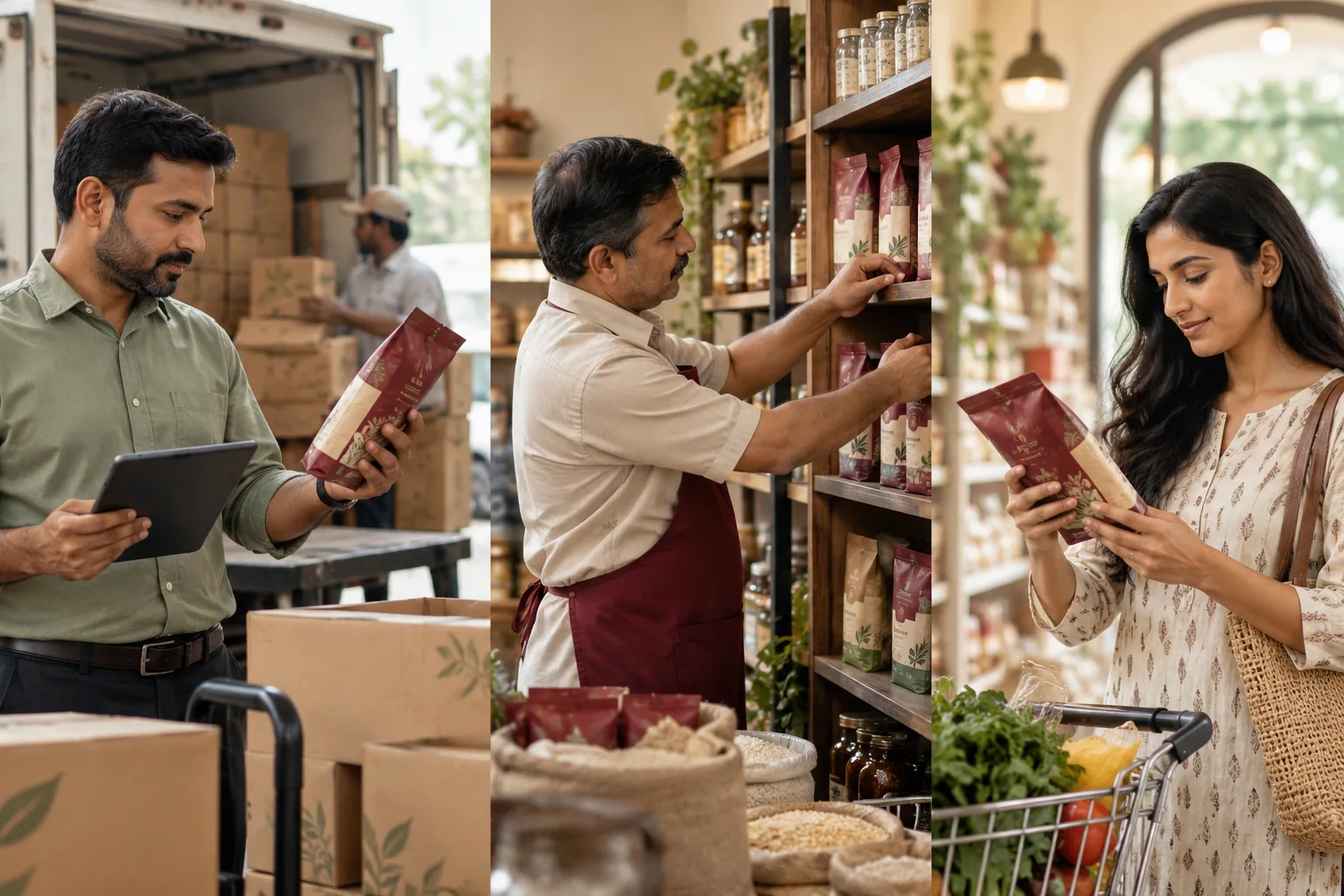 5 min read · 6 Oct 2026How food brands win the trade and the shopperA packed food or household brand is chosen twice: by the distributor, retailer or kitchen that stocks it, then by the shopper who picks it up. Here is what each buyer checks and where brands lose both.
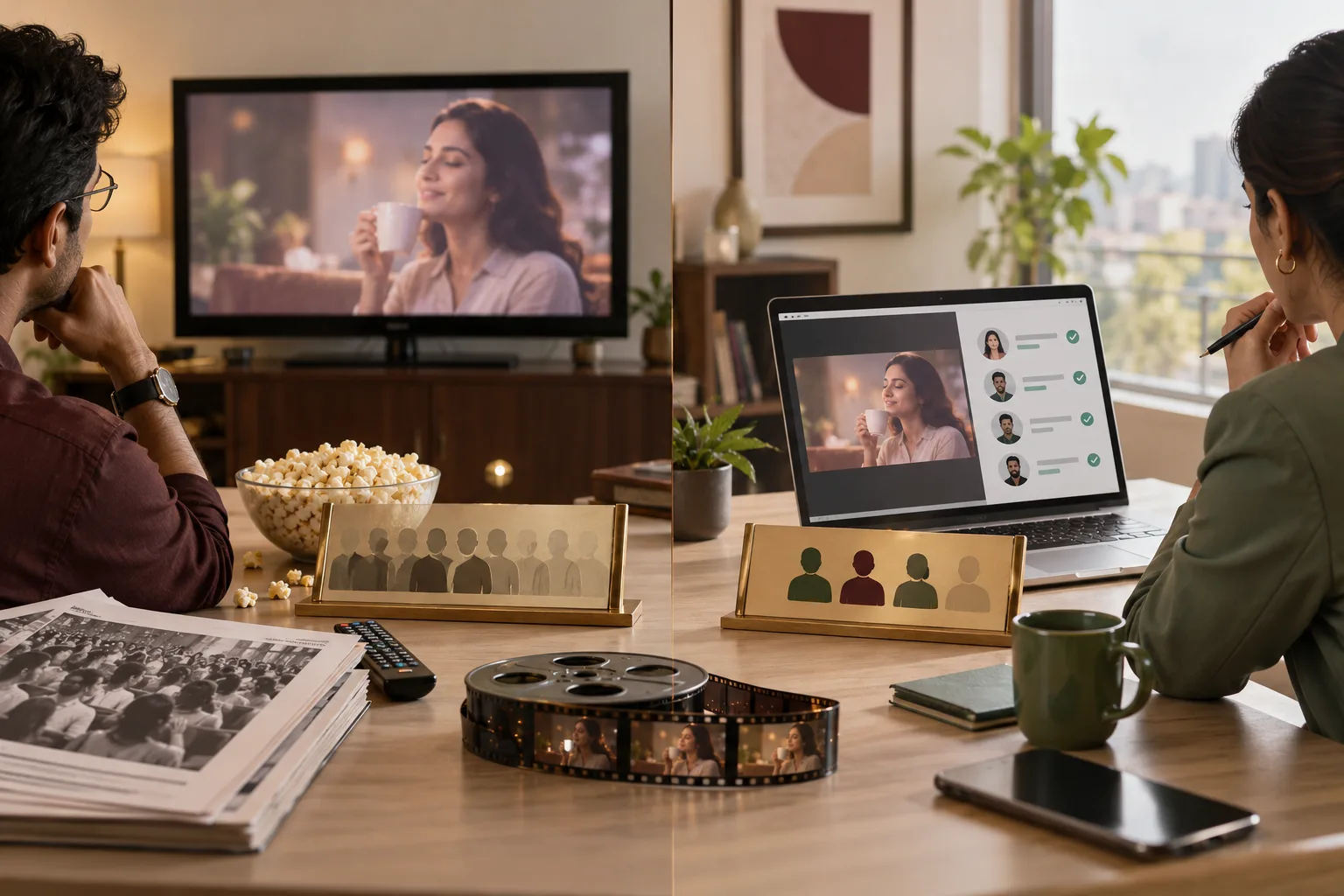 6 min read · 21 Sept 2026TV advertising vs OTT advertising: what are you actually buying?Television sells slots against ratings and prices the wastage in. OTT sells impressions to chosen people and charges for the choosing. Same film, two shops.
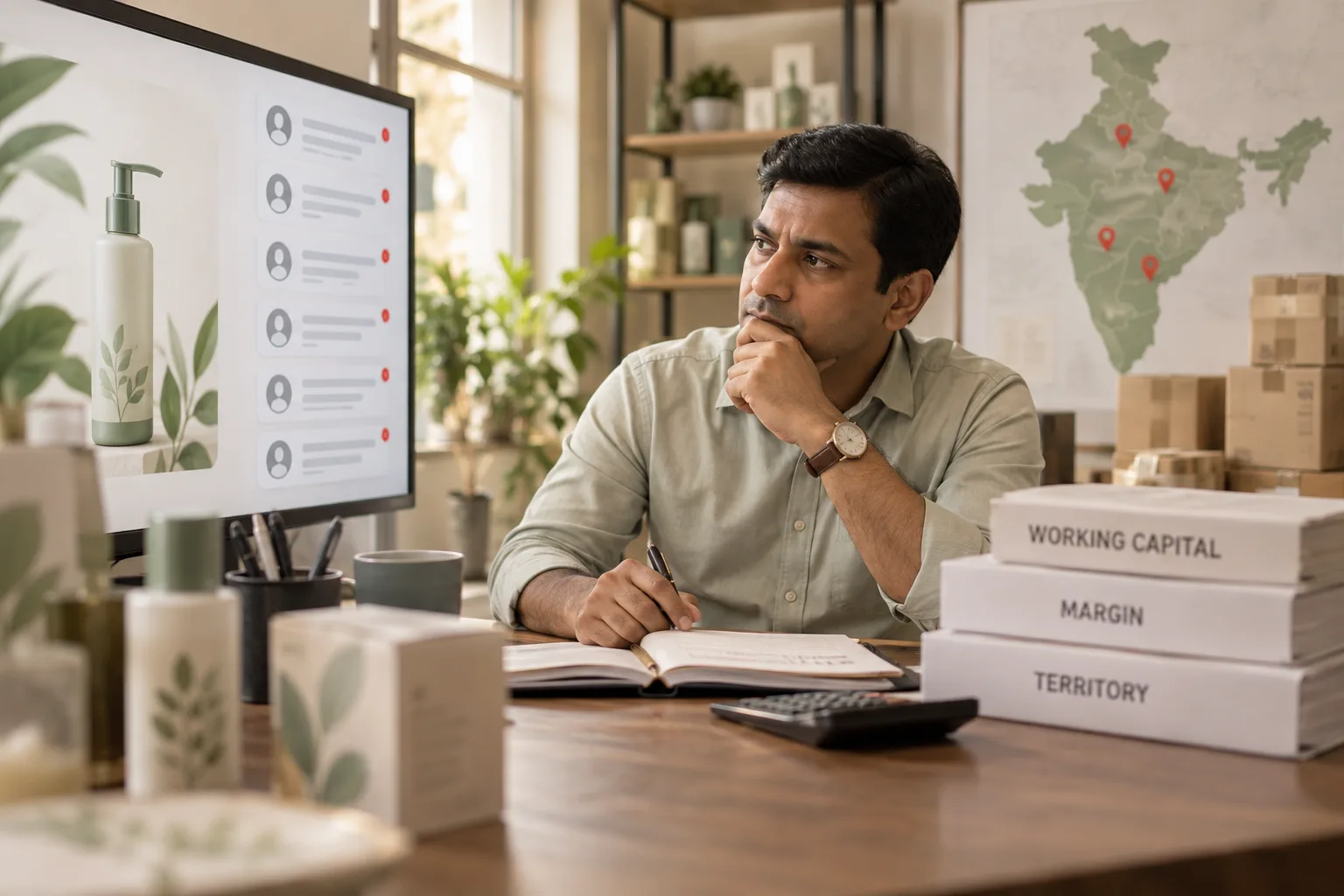 8 min read · 21 Sept 2026How to advertise to distributorsA distributor is deciding whether to put working capital into your stock. Advertising that hides the investment, the margin and the territory brings you hundreds of enquiries and no distributor.
More for food product manufacturers
Everything else we would do for you.
Closest to this: leads and follow-up
Also for food product manufacturers
Or start from the overview: sales and marketing for food product manufacturers.
Your next practical step
Tell us what you are trying to grow, and we will read it before we call.
Eight short steps, mostly taps. Skip anything you would rather answer on the call.